
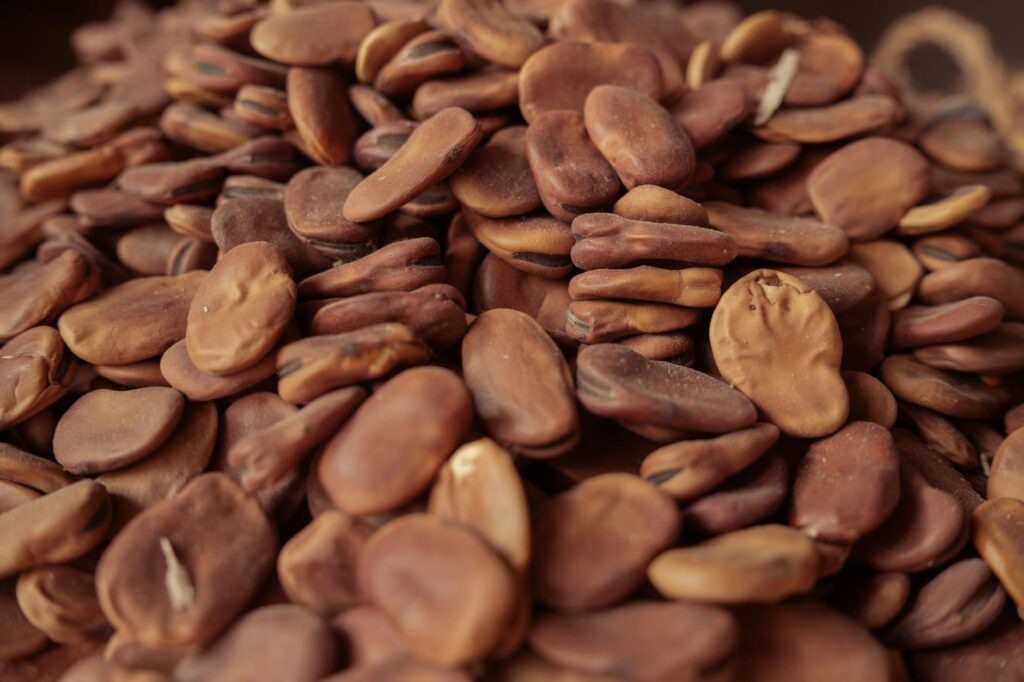
How Fava Beans Are Produced
Introduction
Fava beans, also known as broad beans, are a staple legume found in various cuisines around the world. They are prized not only for their distinctive flavor but also for their high nutritional value, making them a popular choice among health-conscious consumers. This article delves into the production process of fava beans, discussing their history, cultivation methods, quality grading, and more. Understanding how fava beans are produced can provide valuable insight into their role in global agriculture and cuisine.
What Is About?
Fava beans (Vicia faba) belong to the legume family and are characterized by their flat, broad pods and large seeds. These beans are cultivated in temperate climates and are often harvested in late spring or early summer. Fava beans can be consumed fresh, dried, or even ground into flour, making them versatile for various culinary applications. The plants are also known for their ability to enrich the soil with nitrogen, contributing to sustainable agricultural practices.
History and Origins
Fava beans have a rich history that dates back thousands of years. Archaeological evidence suggests that these legumes were among the earliest crops cultivated by humans, with origins traced to the Middle East and North Africa. Historical texts indicate that fava beans were consumed by ancient Egyptians and Greeks, often regarded as a food of the lower classes.
The Romans also valued fava beans, incorporating them into their cuisine and even using them in religious ceremonies. Over the centuries, the cultivation of fava beans spread across Europe and into Asia, adapting to various climatic conditions. Today, they are grown in countries such as Egypt, Italy, Morocco, and China, each region contributing its unique culinary traditions and practices.
Production and Processing
Cultivation
The cultivation of fava beans begins with soil preparation, which is essential for successful growth. These beans thrive in well-drained, loamy soils with a pH level between 6.0 and 7.0. Farmers often conduct soil tests to determine nutrient levels and may amend the soil with organic matter to enhance fertility.
Fava beans are typically sown in early spring or late autumn, depending on the climate. The seeds are planted at a depth of about 2 inches, spaced approximately 6 inches apart, to ensure adequate air circulation and sunlight exposure. Fava beans are a cool-season crop that can withstand frost, making them an ideal choice for early-season planting.
Irrigation and Pest Management
While fava beans are relatively drought-resistant, irrigation may be necessary during dry spells, particularly during the flowering and pod-setting stages. Farmers often utilize drip or sprinkler irrigation systems to provide consistent moisture without waterlogging the roots.
Pest management is crucial in fava bean production. Common pests include aphids, cutworms, and flea beetles. Integrated pest management (IPM) strategies are often employed, which combine biological, mechanical, and chemical controls to minimize pest damage while preserving beneficial insects.
Harvesting
Harvesting typically occurs 70 to 90 days after sowing, depending on the variety and climatic conditions. Farmers monitor the pods closely, waiting until they are fully developed but still green. The beans are harvested by hand or with specialized machinery, ensuring minimal damage to the plants and pods.
Once harvested, the pods are typically shelled to extract the beans. For dried fava beans, the harvested pods are allowed to dry in the sun or in a controlled environment before being threshed to separate the beans from the pods.
Processing
Post-harvest processing involves cleaning the beans to remove debris, dirt, and any damaged seeds. The beans are often sorted by size and color, and those that do not meet quality standards are removed. Dried fava beans can be stored in bulk or packaged for retail sale.
In some regions, fava beans undergo further processing, such as blanching, freezing, or grinding into flour. These methods enhance their shelf life and make them more versatile for culinary use.
Quality and Grading
The quality of fava beans is assessed based on several factors, including size, color, moisture content, and the presence of defects. Grading systems vary by region but generally categorize beans into different classes based on these criteria.
Size and Color
Larger beans are often preferred due to their meatier texture and richer flavor. Color can vary from green to brown or even black, depending on the variety. Brightly colored beans are typically indicative of freshness and quality.
Moisture Content
Moisture content is a critical factor in determining the storage life of fava beans. Ideally, dried beans should contain less than 14% moisture to prevent spoilage and mold growth. Producers often use moisture meters to ensure compliance with quality standards.
Defects
Beans that exhibit physical defects, such as discoloration, insect damage, or broken shells, are usually downgraded or removed from the market. Quality assurance protocols are essential in maintaining the integrity of fava beans from farm to consumer.
Buying Considerations
When purchasing fava beans, several factors should be taken into account to ensure quality and suitability for your needs.
Fresh vs. Dried
Fresh fava beans are typically available in spring and early summer, while dried beans can be found year-round. Consider your intended use when deciding between fresh and dried options. Fresh beans are ideal for immediate consumption, while dried beans offer versatility for longer storage.
Source and Sustainability
Look for fava beans sourced from reputable suppliers that prioritize sustainable farming practices. Organic varieties are often available and may be a preferable choice for environmentally conscious consumers.
Packaging and Storage
Check the packaging for signs of damage or moisture, which can indicate quality issues. Proper storage is essential; fava beans should be kept in a cool, dry place away from direct sunlight to maintain their freshness.
Uses and Applications
Fava beans are celebrated for their culinary versatility. They can be used