
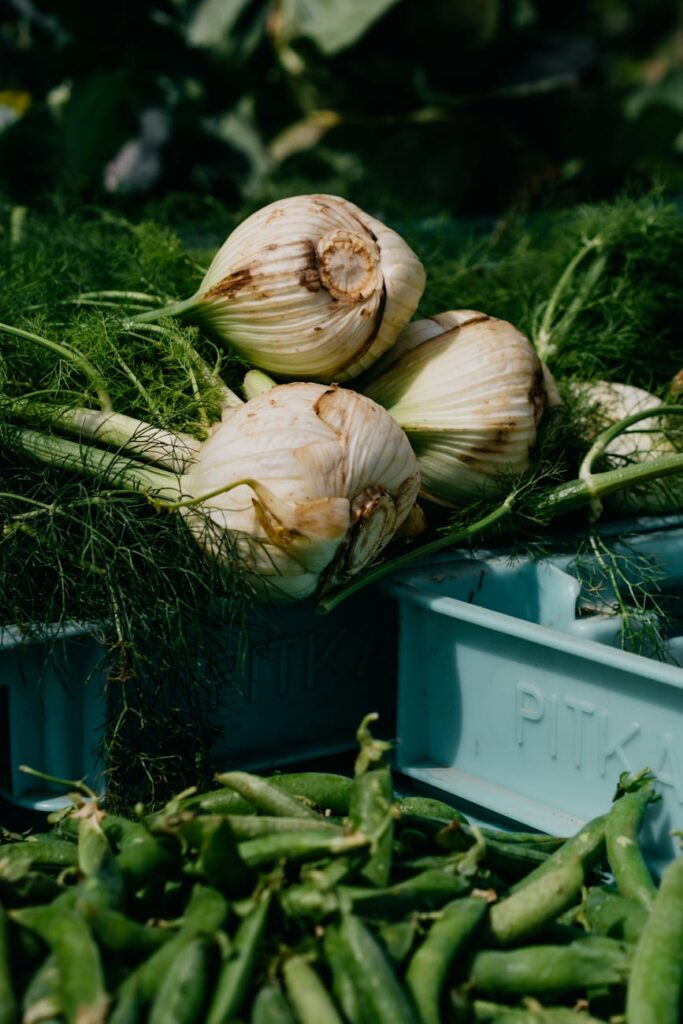
How Fennel Bulb Is Farmed Commercially
Introduction
Fennel (Foeniculum vulgare) is a versatile culinary herb and vegetable known for its distinctive anise-like flavor and aromatic qualities. The edible part of fennel, commonly referred to as the fennel bulb, is widely used in various cuisines around the world, ranging from Mediterranean to Asian dishes. Understanding the commercial farming of fennel bulb is essential for appreciating its journey from the field to our plates. This article delves into the intricacies of growing fennel bulb, from its history to its production, processing, and beyond.
What Is Growing?
Growing, in the context of agriculture, refers to the cultivation of crops under controlled conditions to optimize yield and quality. It encompasses various practices, including soil preparation, sowing, irrigation, pest management, and harvesting. In the case of fennel bulb, growing involves understanding its specific needs regarding climate, soil type, and care to ensure a robust harvest. Fennel is a biennial herb, cultivated annually for its bulb. It thrives in full sun and well-drained soils, making careful attention to these factors crucial for successful cultivation.
History and Origins
Fennel has a rich history that dates back thousands of years. Native to the Mediterranean region, fennel was used in ancient Egyptian, Greek, and Roman cultures not only for its culinary uses but also for its medicinal properties. It was highly regarded by the Romans, who believed it could enhance strength and longevity. Over centuries, fennel spread across Europe and eventually to the Americas, where it adapted to various climates. Today, it is grown in many temperate regions around the world, with significant production in countries such as Italy, France, India, and China.
Production and Processing
Cultivation Practices
Fennel bulb is typically grown as an annual crop, with the primary planting seasons varying by region. In temperate climates, fennel is usually sown in early spring or late summer. The seeds are sown directly into well-prepared soil, ideally in rows spaced about 12 to 18 inches apart. Germination occurs within a week, and seedlings are thinned to ensure proper spacing for bulb development.
Fennel requires nutrient-rich soil with a pH level between 6.0 and 7.0. Farmers often enhance soil fertility through organic matter, compost, or balanced fertilizers. Irrigation is vital, especially during dry spells, as fennel relies on consistent moisture for optimal growth. However, overwatering should be avoided to prevent bulb rot.
Pest and Disease Management
Fennel is susceptible to various pests and diseases, including aphids, caterpillars, and fungal infections. Integrated Pest Management (IPM) techniques are commonly employed to minimize these threats. Farmers may utilize natural predators, such as ladybugs for aphid control, and employ crop rotation and resistant varieties to maintain plant health. Chemical pesticides are used judiciously, adhering to safety regulations to minimize environmental impact.
Harvesting Techniques
Fennel bulbs are typically ready for harvest 90 to 120 days after planting, depending on the growing conditions and cultivar. Farmers determine readiness by checking the size and firmness of the bulbs. Harvesting is done manually or with specialized equipment, cutting the bulbs at the base while leaving the foliage intact for additional growth or subsequent cutting. Care is taken during harvesting to avoid bruising or damaging the bulbs, ensuring they maintain their quality during transportation.
Quality and Grading
The quality of fennel bulbs is assessed based on several factors, including size, shape, color, and firmness. Commercially, fennel is graded into different categories:
- Grade A: These bulbs are uniform in size, free from blemishes, and exhibit a vibrant color. They are typically the highest quality and command premium prices.
- Grade B: These bulbs may have minor imperfections or irregular sizes but are still suitable for culinary use.
- Grade C: Often used for processing, these bulbs may have significant flaws and are not sold in fresh markets.
- Freshness: Look for firm bulbs with a bright white or pale green color. Avoid any that show signs of wilting, browning, or softness.
- Size: Smaller bulbs tend to be more tender and flavorful, while larger bulbs may have a tougher texture.
- Organic vs. Conventional: Organic fennel is grown without synthetic pesticides or fertilizers, appealing to consumers who prioritize sustainable practices.
- Seasonality: Fennel is typically in season during the late fall and winter months, so buying in-season can ensure better quality and flavor.
Proper handling and storage post-harvest are crucial to maintain quality. Bulbs are typically washed, trimmed, and packaged in crates or boxes for distribution.
Buying Considerations
When purchasing fennel bulbs, whether from a grocery store or a local farmer’s market, several factors should be considered:
Uses and Applications
Fennel bulb is a versatile ingredient in culinary applications. It can be consumed raw, sautéed, roasted, or braised. The bulb’s crunchy texture makes it a delightful addition to salads, while its unique flavor enhances soups, stews, and stir-fries. Beyond its culinary uses, fennel bulb can also be incorporated into various beverages, such as teas and cocktails, where its aromatic properties shine.
The fronds of fennel, often discarded, are also edible and can be used as a garnish or in salads. Additionally, fennel seeds, harvested from the flowers, are a popular spice, used for flavoring and digestive benefits.
Storage and Shelf Life
Proper storage is essential for preserving the quality of fennel bulbs. Fresh fennel should be kept in a refrigerator, ideally in a perforated plastic bag to allow for airflow while retaining moisture. When stored correctly, fennel can last for about one to two weeks.
For longer storage, fennel can also be blanched and frozen, although this may alter its texture and flavor. Canned or pickled fennel is another preservation method, allowing for extended shelf life while introducing unique flavors.
Common Misconceptions
Several misconceptions surround fennel and its cultivation:
1. Fennel is only an herb: While fennel is often associated with herbs, the bulb is a distinct vegetable with its own culinary applications.
2. Fennel must be cooked: While fennel can be cooked, it is delicious raw and adds a fresh, crunchy element to salads and dishes.
3. Fennel is difficult to grow: With proper care and attention to its growing conditions, fennel is relatively easy to cultivate, making it accessible for both commercial farmers and home gardeners.
4. Fennel and anise are the same: Although fennel has a similar flavor profile to anise, they are different plants. Fennel is a member of the carrot family, while anise belongs to the parsley family.
Frequently Asked Questions
1. What climates are best for growing fennel bulb?
Fennel bulb thrives in temperate climates with warm summers and well-drained soils. It prefers full sun exposure.
2. How long does it take for fennel bulbs to mature?
Fennel bulbs typically take 90 to 120 days to mature, depending on the variety and growing conditions.
3. Can fennel be grown in containers?
Yes, fennel can be successfully grown in containers, provided they are deep enough to accommodate the bulb’s growth.
4. What are the signs of a ripe fennel bulb?
A ripe fennel bulb is firm, has a smooth texture, and is free from blemishes. The color should be a vibrant white or pale green.
5. Is fennel bulb available year-round?
Fennel is typically in season during the late fall and winter months but can be found year-round in many markets due to global production.
6. Can I eat the fennel fronds?
Yes, the fronds of fennel are edible and can be used as a garnish or in salads for added flavor.
In conclusion, the commercial farming of fennel bulb is a nuanced process that blends agricultural expertise with culinary tradition. By understanding the intricacies of growing, processing, and utilizing fennel, consumers can appreciate this unique ingredient even more. Whether enjoyed raw, cooked, or in beverages, fennel bulb continues to hold a significant place in global cuisines and culinary practices.