
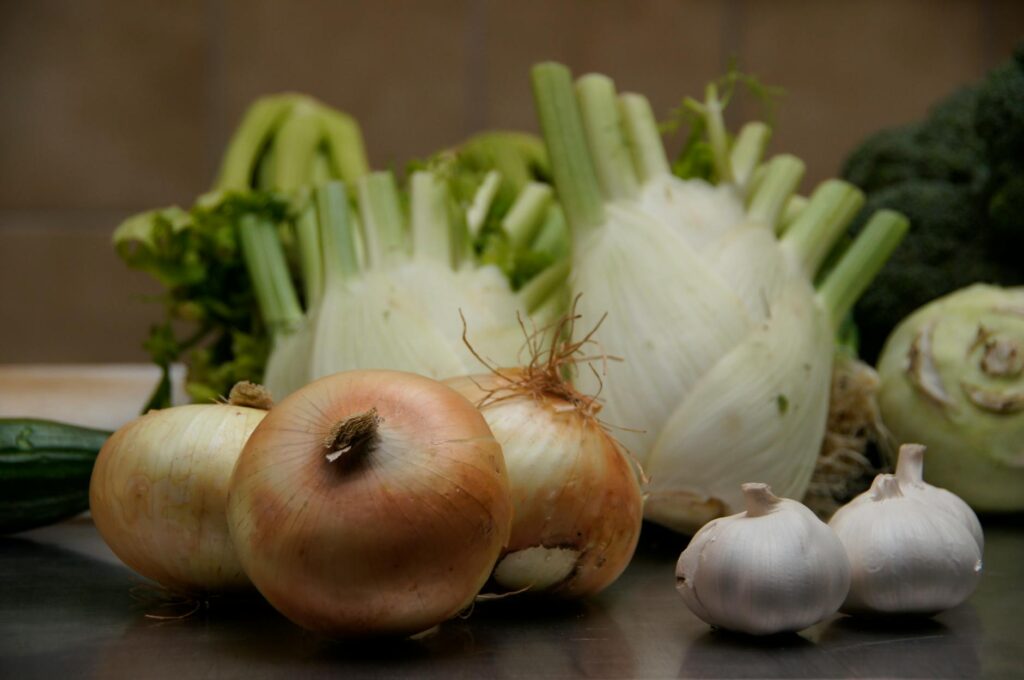
How Fennel Bulb Is Produced
Introduction
Fennel bulb, scientifically known as Foeniculum vulgare, is a versatile culinary ingredient that has garnered attention for its unique flavor profile and aromatic qualities. A member of the Apiaceae family, which includes carrots and parsley, fennel is valued not only for its culinary uses but also for its potential role in various cultural cuisines. This article explores the production process of fennel bulb, its historical significance, quality standards, and practical considerations for those interested in incorporating this ingredient into their kitchens.
What Is About?
Fennel bulb is the swollen base of the fennel plant, characterized by its crisp texture and anise-like flavor. It is a biennial herb that is primarily cultivated for its bulbous root, which is often harvested when young and tender for culinary purposes. The fennel plant also produces fronds and seeds, both of which have culinary applications. The bulb is commonly used in salads, roasted dishes, and as a flavoring agent in various cuisines, making it a staple ingredient in Mediterranean, Middle Eastern, and Asian cooking.
History and Origins
Fennel has a rich history that dates back thousands of years. Originating in the Mediterranean region, fennel was highly regarded by ancient Greeks and Romans, who believed it possessed various beneficial properties. Historical texts suggest that fennel was used not only as a culinary herb but also for medicinal purposes, aiding digestion and enhancing overall health.
As trade routes expanded, fennel spread across Europe and eventually to Asia and the Americas. In Italy, fennel is a traditional ingredient in dishes such as “finocchio” salad, showcasing its enduring popularity. The cultivation of fennel has evolved over time, leading to various cultivars that cater to differing climates and culinary preferences.
Production and Processing
Cultivation
Fennel is typically cultivated in temperate climates, thriving in well-drained, fertile soils with a pH of 6.0 to 7.0. The production process begins with selecting high-quality seeds, which are often sown directly into the ground in early spring or late summer, depending on the desired harvest time.
Fennel plants require plenty of sunlight, and regular watering is essential during their growth period. The plants typically reach maturity in about 90 to 120 days, at which point the bulbs can be harvested. Fennel is often closely spaced to encourage the bulbs to grow larger, as they rely on the support of neighboring plants to achieve their characteristic size and shape.
Harvesting
Harvesting fennel is a delicate process. Growers monitor the bulbs closely to determine the optimal time for harvest, which is usually when the bulbs are about 3 to 5 inches in diameter and have a firm texture. Bulbs are pulled from the ground carefully to avoid bruising, as they are prone to damage.
After harvesting, the fennel bulbs are typically trimmed of their fronds and roots. They are then washed thoroughly to remove soil and debris. Depending on the intended market, the bulbs may be packaged for immediate sale or sent to processing facilities for further handling.
Processing
In processing facilities, fennel bulbs may undergo various treatments to enhance their shelf life and aesthetic appeal. These processes can include:
- Sorting and Grading: Bulbs are sorted based on size, color, and firmness. High-quality bulbs are typically smooth, with a uniform white or pale green color.
- Packaging: After grading, fennel bulbs are packaged in breathable materials to minimize moisture accumulation while allowing airflow. They are often sold in bulk or pre-packaged for retail.
- Cooling and Storage: Quick cooling is essential to preserve freshness. Fennel bulbs are typically stored in refrigerated conditions to maintain their crispness and prevent spoilage.
- Size: Larger bulbs are generally preferred in culinary applications, as they offer more flesh and a better texture.
- Appearance: The ideal fennel bulb should be firm, free from blemishes, and exhibit a vibrant color. Discoloration or soft spots can indicate spoilage.
- Freshness: Fresh fennel retains a crisp texture and strong aroma.
- Seasonality: Fennel is typically in season from late fall through early spring. Buying in season ensures the freshest produce.
- Source: Local farms or farmers’ markets often provide fresher options compared to large supermarkets. Organic options may also be available.
- Condition: Look for bulbs that are heavy for their size, with no soft spots or browning. Fresh fronds can also be an indicator of quality.
- Storage and Handling: Understand how the bulbs were handled post-harvest. Properly stored fennel will retain its quality longer.
- Raw Consumption: It is often sliced thinly and added to salads for crunch and flavor.
- Cooking Methods: Fennel can be roasted, grilled, or sautéed, enhancing its natural sweetness and flavor complexity.
- Flavoring Agent: The bulb’s unique anise-like flavor makes it an excellent addition to soups, stews, and sauces.
- Pairing Ingredients: Fennel pairs well with citrus, olive oil, seafood, and various herbs like dill and parsley.
Quality and Grading
Quality and grading standards for fennel bulbs are crucial in determining their market value. Factors influencing quality include:
Grading systems may vary by region, but generally, bulbs are classified into categories such as “U.S. No. 1” for high-quality produce and lower grades for those with minor imperfections.
Buying Considerations
When purchasing fennel bulbs, several factors should be taken into account:
Uses and Applications
Fennel bulb boasts a wide range of culinary applications:
Beyond culinary uses, fennel is sometimes used in pickling and as a garnish due to its visually appealing shape and color.