
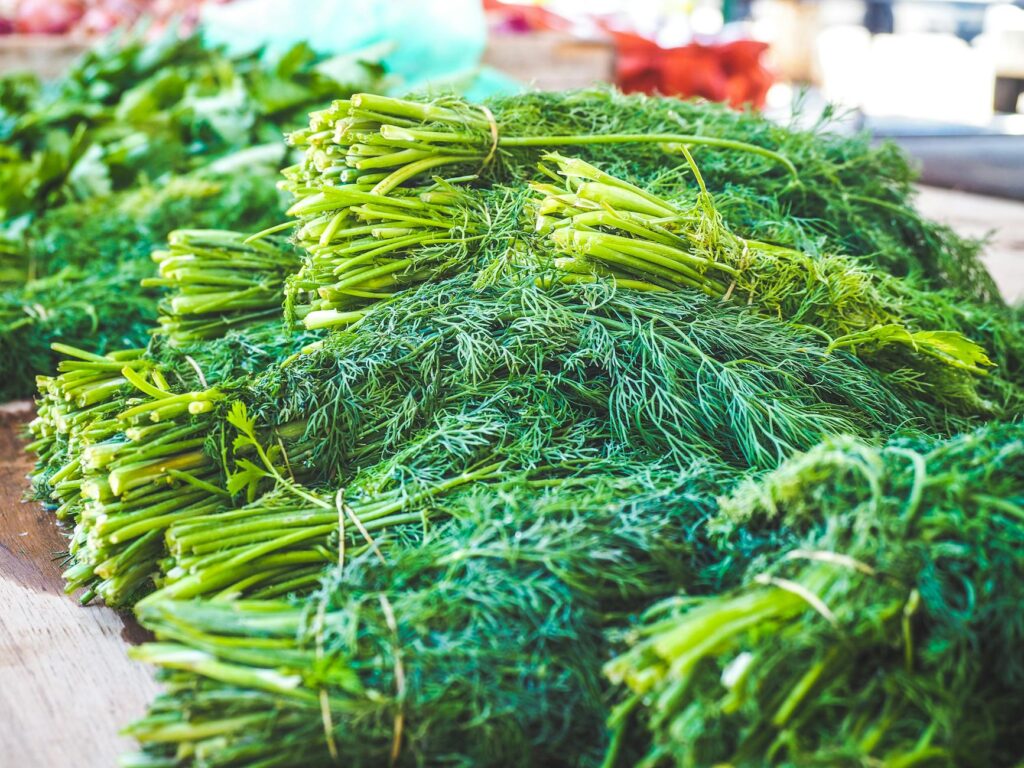
How Fennel Fronds Is Farmed Commercially
Introduction
Fennel fronds, the feathery green leaves of the fennel plant (Foeniculum vulgare), are an aromatic herb widely appreciated in culinary applications for their delicate flavor and vibrant appearance. While the bulb of the fennel plant is often the star of the show, the fronds are increasingly recognized for their versatility and appeal. Understanding how fennel fronds are farmed commercially is essential for appreciating their role in the kitchen and their journey from field to table.
What Is Growing?
Growing, in the context of agricultural practices, refers to the cultivation and care of plants to produce a harvestable yield. For fennel fronds, this involves several stages, including planting, nurturing, harvesting, and processing. The cultivation of fennel fronds requires specific environmental conditions, soil types, and care techniques to ensure high-quality production.
History and Origins
Fennel has a rich history that dates back to ancient civilizations. Originating in the Mediterranean region, it has been cultivated for thousands of years for both culinary and medicinal purposes. The Greeks and Romans revered fennel, using it as a flavoring agent and as a symbol of strength and endurance. Over time, fennel spread throughout Europe and eventually to other parts of the world, including North America and Asia.
The specific use of fennel fronds as a culinary herb has evolved, gaining popularity in modern cuisine. Today, fennel is cultivated in various regions, with commercial farming practices adapting to different environments and market demands.
Production and Processing
Cultivation
Fennel is typically grown in well-drained, fertile soils with a pH of 6.0 to 7.0. The seeds are usually sown directly into the ground in the spring or fall, depending on the climate. Fennel requires full sunlight and a warm climate for optimal growth. In cooler regions, growers often use greenhouses to extend the growing season.
Watering and Fertilization
Fennel is moderately drought-tolerant, but consistent moisture is essential for healthy growth. Irrigation systems, such as drip irrigation, are often employed to deliver water directly to the root zone, minimizing waste and promoting efficient growth. Organic fertilizers rich in nitrogen are commonly used to enhance leaf production and overall plant health.
Pest and Disease Management
Pest control is crucial in fennel production. Common pests include aphids, caterpillars, and beetles, which can damage the plant. Integrated pest management (IPM) strategies, including the use of beneficial insects and organic pesticides, are employed to minimize pest populations while maintaining environmental sustainability. Crop rotation and proper sanitation practices also help prevent diseases such as powdery mildew and root rot.
Harvesting
Fennel fronds are typically harvested when the plant reaches a height of 18 to 24 inches. This usually occurs about 80 to 100 days after planting. Harvesting can be done by hand or mechanically; however, hand-harvesting is often preferred for high-quality fronds. The fronds are cut just above the bulb, ensuring that the plant can continue to grow and produce additional leaves.
Processing
After harvesting, fennel fronds are quickly processed to preserve their freshness. They are typically washed, sorted, and packed for distribution. In some cases, they may be refrigerated or frozen to extend their shelf life. Proper handling during processing is crucial to maintain the quality and flavor of the fronds.
Quality and Grading
The quality of fennel fronds is determined by factors such as color, aroma, and freshness. High-quality fronds are vibrant green, fragrant, and free from blemishes. Grading systems may vary by region, but generally, they focus on the size, appearance, and overall health of the fronds.
Quality control measures are implemented throughout the production process, from seed selection to post-harvest handling. Regular inspections ensure that only the best fronds reach consumers, supporting both market demand and consumer satisfaction.
Buying Considerations
When purchasing fennel fronds, several factors should be taken into account. Freshness is paramount; look for fronds that are bright green and fragrant. Avoid fronds that appear wilted or discolored, as this may indicate age or poor handling.
If buying pre-packaged fennel fronds, check the packaging date and any storage instructions. Organic certification can also be a consideration for those seeking sustainably grown products.
Uses and Applications
Fennel fronds have a variety of culinary uses, making them a valuable addition to many dishes. They can be used as a garnish, added to salads, or blended into sauces for an aromatic lift. The fronds’ delicate flavor complements seafood, poultry, and roasted vegetables, providing a fresh, herbal note.
Beyond culinary applications, fennel fronds are also utilized in the beverage industry, particularly in cocktails and herbal teas. Their aromatic qualities make them a popular choice for infusions and flavoring.
Storage and Shelf Life
Proper storage of fennel fronds is essential to maintaining their freshness and flavor. They should be kept in a cool, dark place, ideally in the refrigerator, where they can last for about a week. When stored in a sealed container or wrapped in a damp paper towel, they can retain moisture and stay fresh longer.
For extended storage, fennel fronds can be frozen. When frozen, they should be chopped and placed in airtight containers or freezer bags. Frozen fronds can last for several months, making them a convenient option for off-season use.
Common Misconceptions
One common misconception is that fennel fronds are inedible or merely a byproduct of the fennel bulb. In reality, the fronds are flavorful and versatile, deserving recognition as a culinary ingredient in their own right. Another misconception is that fennel fronds are only suitable for specific cuisines. Their unique flavor profile allows them to enhance a wide range of dishes, transcending culinary borders.
Frequently Asked Questions
1. Can I grow fennel fronds at home?
Yes, fennel fronds can be grown at home in pots or garden beds, provided you have a sunny location and well-drained soil. They are relatively easy to cultivate and can thrive in various climates.
2. Are fennel fronds the same as dill?
No, fennel fronds and dill are different herbs. While they have similar appearances, fennel fronds are derived from the fennel plant, while dill comes from Anethum graveolens. Their flavors are distinct, with fennel having a mild licorice taste, whereas dill has a more herbaceous and tangy flavor.
3. How can I incorporate fennel fronds into my cooking?
Fennel fronds can be used as a garnish, added to salads, blended into sauces, or infused into beverages. Their unique flavor makes them a versatile ingredient in both savory and sweet dishes.
4. What is the best way to store fennel fronds?
To store fennel fronds, keep them in the refrigerator in a sealed container or wrapped in a damp paper towel. For longer storage, consider freezing the fronds after chopping them.
5. Are fennel fronds always available in grocery stores?
Availability may vary based on the season and location. Fennel fronds are more commonly found during their peak growing seasons, which typically occur in late summer to early fall. Check with local farmers’ markets or specialty grocery stores for the freshest options.
6. Can I use fennel fronds in place of fennel seeds?
While fennel fronds and fennel seeds come from the same plant, they have different flavor profiles. Fennel fronds are fresh and herbal, while fennel seeds are aromatic and slightly sweet. While they can sometimes be used interchangeably, it’s essential to consider the specific flavor you want to achieve in your dish.
In conclusion, understanding the commercial farming of fennel fronds enriches our appreciation for this culinary herb. From cultivation to culinary applications, fennel fronds offer a world of flavor and versatility, making them a valuable ingredient in kitchens around the globe.