
How Fennel Is Farmed Commercially
Introduction
Fennel (Foeniculum vulgare) is a versatile culinary herb known for its distinctive anise-like flavor and aromatic properties. Its bulb, fronds, and seeds are widely used in various cuisines around the globe, making it a popular ingredient in both home cooking and commercial food production. Understanding how fennel is farmed commercially provides insight into agricultural practices, sustainability, and the journey of this herb from the field to the consumer’s plate. This article delves into the intricacies of fennel cultivation, processing, quality assessment, and more.
What Is Growing?
Growing refers to the agricultural practice of cultivating plants, encompassing all stages from planting seeds to harvesting mature crops. In the context of fennel, growing involves selecting appropriate varieties, preparing the soil, planting, nurturing the plants, and finally harvesting the fennel bulbs and seeds. Successful cultivation requires knowledge of plant biology, environmental conditions, pest management, and harvesting techniques.
History and Origins
Fennel’s history can be traced back to the Mediterranean region, where it has been cultivated for thousands of years. Ancient Egyptians valued fennel not only as a culinary herb but also for its medicinal properties. The Greeks and Romans also embraced fennel, using it in various dishes and as a symbol of strength and endurance. Over time, fennel spread across Europe and Asia, adapting to diverse climates and becoming a staple in numerous cuisines, particularly Italian, Indian, and Middle Eastern.
Fennel is believed to have been introduced to the Americas by European settlers in the 16th century. Today, it is grown in many parts of the world, with significant production in Italy, India, China, and the United States. The global demand for fennel continues to rise, driven by its culinary versatility and health benefits.
Production and Processing
Cultivation Practices
Fennel thrives in well-drained, fertile soil with a pH level between 6.0 and 7.0. The cultivation process typically begins with soil preparation, which includes tilling, adding organic matter, and ensuring proper drainage. Farmers often use crop rotation to maintain soil fertility and reduce the risk of pests and diseases.
Fennel can be grown from seeds or transplants, depending on the desired end product. For bulb fennel, seeds are often sown directly into the soil in early spring or late summer, while seed fennel is usually planted in rows. The spacing between plants is crucial; for bulbs, plants should be spaced approximately 12 to 18 inches apart to allow for optimal growth.
Watering and Fertilization
Fennel requires consistent moisture, particularly during the initial growth stages. Drip irrigation is commonly employed in commercial production to provide adequate water while minimizing waste. Farmers monitor soil moisture levels to ensure the plants receive sufficient hydration during dry spells.
Fertilization is another critical aspect of fennel cultivation. Organic fertilizers, such as compost or well-rotted manure, are often used to promote healthy growth. Additionally, farmers may apply nitrogen-rich fertilizers to enhance leaf and bulb development, while potassium and phosphorus support overall plant health.
Pest and Disease Management
Effective pest and disease management is essential for successful fennel farming. Common pests include aphids, caterpillars, and thrips, while diseases such as powdery mildew and root rot can impact plant health. Integrated pest management (IPM) practices, which combine biological controls, cultural practices, and chemical treatments, are often employed to mitigate these challenges.
Regular monitoring of crop health allows farmers to identify issues early, enabling timely interventions. Organic farmers may use natural pesticides and beneficial insects to control pest populations without harming the environment.
Harvesting
Harvesting fennel typically occurs 100 to 120 days after planting, depending on the variety and growing conditions. For bulb fennel, the bulbs are harvested once they reach a size of approximately 3 to 5 inches in diameter and have a firm texture. The harvesting process involves cutting the bulbs at the base and removing the foliage.
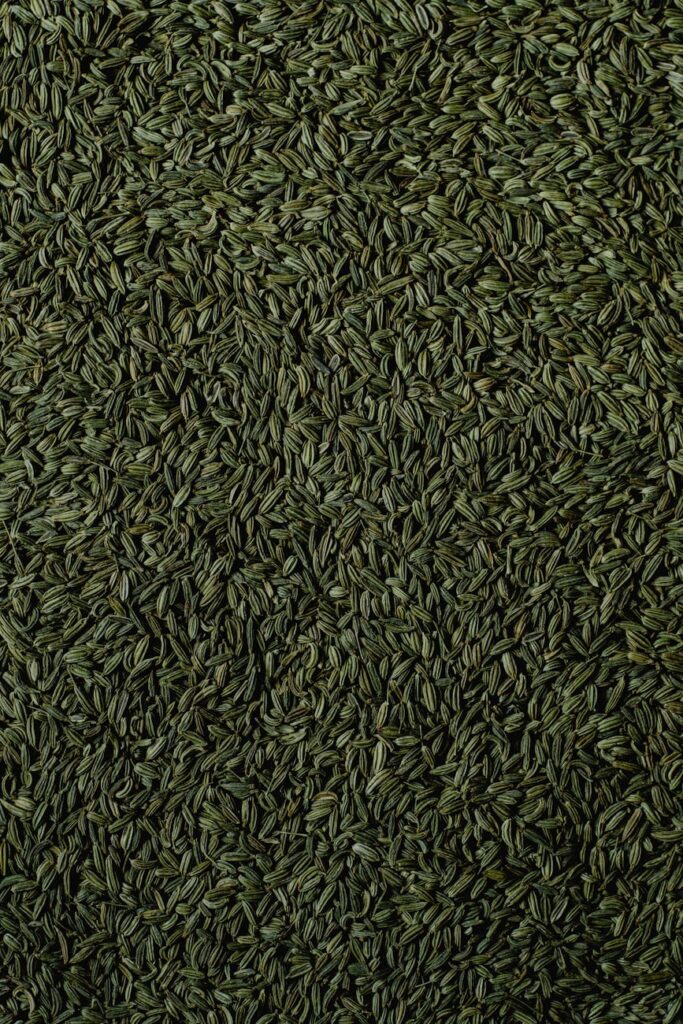
For seed production, fennel plants are allowed to flower and set seed. Once the seeds mature, they are harvested by cutting the flower heads and allowing them to dry before threshing to separate the seeds from the chaff.
Quality and Grading
The quality of fennel is determined by several factors, including size, appearance, texture, and flavor. This is especially important in commercial production, where consumers and retailers expect high-quality products.
Grading Standards
Fennel is typically graded based on size, with larger bulbs often commanding higher prices in the market. The United States Department of Agriculture (USDA) has established grading standards that categorize fennel into different classes, including U.S. Fancy, U.S. No. 1, and U.S. No. 2, based on criteria such as shape, color, and absence of defects.
Producers often conduct sensory evaluations to assess flavor and aroma, which are crucial for culinary applications. Consistent quality control measures, including visual inspections and taste tests, help ensure that only the best fennel reaches consumers.
Buying Considerations
When purchasing fennel, consumers should consider several factors to ensure they select the best product.
Freshness
For fresh fennel, look for bulbs that are firm and free of blemishes or soft spots. The fronds should be vibrant green and crisp, indicating freshness. Avoid bulbs that appear wilted or discolored, as these may be past their prime.
Organic vs. Conventional
Consumers may also choose between organic and conventionally grown fennel. Organic fennel is cultivated without synthetic pesticides or fertilizers, making it an appealing choice for those seeking environmentally friendly options. However, organic products may come at a premium price.
Seasonal Availability
Fennel is typically in season from late fall to early spring, depending on the region. Purchasing fennel during its peak season can ensure better flavor and quality.
Source
It is advisable to buy fennel from reputable suppliers or farmers’ markets when possible. Knowing the source of the fennel can provide insights into its cultivation practices and freshness.
Uses and Applications
Fennel is celebrated for its culinary versatility, finding applications in a variety of dishes.
Culinary Applications
The bulb can be roasted, sautéed, or eaten raw in salads, providing a crunchy texture and unique flavor. Fennel fronds are often used as a garnish or in salads, while fennel seeds are a popular spice, utilized in spice blends, teas, and baked goods.
Fennel is also a key ingredient in traditional Italian dishes, such as sausage and pasta sauces, and is used in Mediterranean cuisines to flavor fish and vegetable dishes. In addition, its seeds are commonly used in Indian cuisine for their aromatic qualities in curries and chutneys.
Non-Culinary Uses
Beyond culinary applications, fennel has found its way into herbal teas and natural remedies, often touted for its digestive properties and aromatic qualities. Its essential oil is used in perfumery and aromatherapy, further extending its utility beyond the kitchen.
Storage and Shelf Life
Proper storage is crucial for maintaining the quality and freshness of fennel.
Fresh Fennel
Fresh fennel should be stored in the refrigerator, preferably in a produce bag, to maintain moisture. It can last up to a week if stored correctly. To preserve its crispness, it is best to keep the bulb intact and only cut it as needed.
Dried Fennel Seeds
Dried fennel seeds have a longer shelf life and can be stored in a cool, dark place in an airtight container. When stored properly, they can remain flavorful for up to six months.
Common Misconceptions
Despite its popularity, several misconceptions about fennel persist.
Misconception: Fennel Is Only Used in Italian Cuisine
While fennel is a staple in Italian cooking, it is also widely used in many other culinary traditions, including Indian, Middle Eastern, and Asian cuisines. Its unique flavor profile enhances a variety of dishes across cultures.
Misconception: Fennel Tastes Like Licorice
While fennel does have a distinct anise-like flavor, it is not exclusively licorice-flavored. Many people find its taste more complex, with sweet, herbal, and slightly peppery notes that contribute to its culinary versatility.
Frequently Asked Questions
1. What is the best time to plant fennel?
Fennel can be planted in early spring or late summer, depending on the climate. It thrives in cooler temperatures, making these times ideal for growth.
2. Can fennel be grown in containers?
Yes, fennel can be successfully grown in containers. Ensure that the container is large enough to accommodate the bulb’s growth, and use high-quality potting soil.
3. How can I tell if fennel has gone bad?
Signs of spoilage in fennel include wilting, discoloration, and soft spots on the bulb. If the fronds are brown or mushy, it is best to discard the fennel.
4. Is fennel a perennial or annual plant?
Fennel is typically grown as an annual plant, although it can sometimes act as a perennial in warmer climates. Most commercial production involves annual cultivation.
5. Can fennel seeds be used for planting?
Yes, fennel seeds can be collected and used for planting. However, ensure that they are from a reliable source and are not treated with chemicals.
6. How can I enhance the flavor of fennel in cooking?
To enhance fennel’s flavor, consider roasting or grilling it to caramelize the sugars, or pairing it with citrus, garlic, or herbs to complement its unique taste.
In conclusion, understanding the commercial farming of fennel provides valuable insight into its cultivation, quality assessment, and applications. As its popularity continues to grow, so will the importance of sustainable and efficient farming practices in meeting global demand.