
How Fennel Is Produced
Introduction
Fennel, a perennial herb belonging to the Apiaceae family, is cherished for its aromatic bulb, feathery fronds, and flavorful seeds. With a history steeped in culinary tradition and medicinal uses, fennel has established itself as a versatile ingredient in global cuisine. This article explores the journey of fennel from cultivation to consumption, delving into its history, production processes, quality assessments, and much more.
What Is Fennel?
Fennel (Foeniculum vulgare) is a flowering plant indigenous to the Mediterranean region. It is characterized by its distinct anise-like flavor, which is derived from the essential oil compounds present in its tissues. Fennel is cultivated for three main components: the bulb, the stalks, and the seeds. Each part possesses unique culinary applications, contributing to its status as a staple in various cuisines.
History and Origins
The origins of fennel can be traced back to the Mediterranean basin, where it was used by ancient civilizations for culinary and medicinal purposes. The Romans valued fennel not only for its flavor but also as a digestive aid and a means of warding off evil spirits. Ancient Greeks utilized fennel in religious rituals, while its seeds were commonly used in cooking and as a natural remedy.
Over centuries, fennel spread across Europe, becoming a staple in Italian, French, and Indian cuisines. In the 19th century, it made its way to North America, where it adapted well to various climates and was embraced by diverse culinary traditions. Today, fennel is grown in many parts of the world, including Europe, Asia, and North America, establishing itself as a global ingredient.
Production and Processing
Cultivation
Fennel thrives in temperate climates with well-drained soil and ample sunlight. The plant’s cultivation typically begins with seed planting, which can occur in either spring or fall, depending on the desired harvest time. For bulb production, fennel is usually planted in spring, while seed production often takes place in late summer.
The seeds are sown directly into the soil, allowing for optimal growth. Fennel requires regular watering, especially during dry spells, but care must be taken to avoid waterlogged conditions that can lead to root rot. Fertilization is essential for robust growth, often involving organic compost or balanced fertilizers.
Harvesting
Harvesting fennel is a critical stage that requires careful timing to ensure the best quality. For bulb production, fennel is usually harvested when the bulbs are firm and have reached a diameter of about 3-4 inches. This typically occurs around 90 days after planting. The plants are uprooted by hand or with the aid of machinery, being careful not to damage the bulbs.
For seed production, fennel is allowed to flower, and the seeds are harvested once they turn brown and dry. This is usually done in late summer or early fall. The flowering stalks are cut and allowed to dry further before the seeds are separated from the plant material.
Processing
Once harvested, fennel requires processing to enhance its shelf life and usability. Bulbs are typically trimmed and cleaned to remove any dirt or debris. They can be stored fresh or subjected to refrigeration to maintain their crispness.
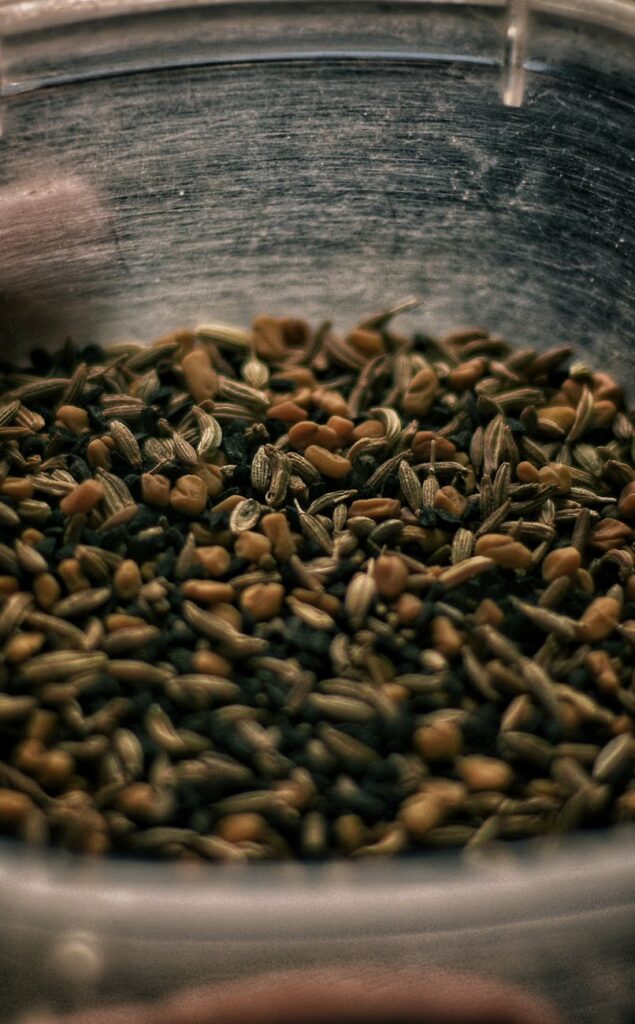
Fennel seeds undergo a somewhat different process. After harvesting, they are cleaned and dried to prevent mold and spoilage. The seeds can be packaged whole or ground into powder, depending on market demands. Proper processing techniques are crucial to preserve the aromatic qualities and flavor of fennel.
Quality and Grading
Quality assessment of fennel is essential for maintaining standards in culinary applications and commercial distribution. Various factors influence the grading of fennel, including size, appearance, aroma, and flavor.
Bulb Quality
High-quality fennel bulbs should be firm, crisp, and free of blemishes. The external skin should be white or pale green, indicating freshness. A good bulb will also have a sweet, mild aroma, characteristic of fresh fennel. Grading is often done visually, but sensory evaluation can also play a role in assessing the quality of the bulb.
Seed Quality
Fennel seeds are graded based on size, color, and oil content. High-quality seeds should be plump, uniform in size, and possess a potent aroma. The presence of essential oils is a key indicator of quality, as these compounds contribute to the characteristic flavor of fennel.
Buying Considerations
When purchasing fennel, whether fresh bulbs or seeds, several factors should be considered to ensure quality and freshness.
Fresh Bulbs
- Appearance: Look for bulbs that are firm and free of soft spots or discoloration.
- Fronds: Fresh fennel should have vibrant green fronds that are not wilted or yellowing.
- Sourcing: Local markets often offer fresher options compared to supermarkets, where fennel may have been stored for extended periods.
- Packaging: Opt for seeds that are stored in airtight containers to preserve freshness.
- Aroma: Check for a strong, sweet, anise-like scent, which indicates quality.
- Date of Packaging: Freshness is key; always check the packaging date to ensure you are buying seeds that have not been sitting on the shelf for too long.
- Bulbs: Fennel bulbs can be eaten raw in salads, sautéed, or roasted as a side dish. Their crisp texture adds a refreshing element to dishes.
- Fronds: The feathery fronds can be used as an herb, providing garnish or flavor in salads, soups, and sauces.
- Seeds: Fennel seeds are often ground or used whole in spice blends, baked goods
Fennel Seeds
Uses and Applications
Fennel’s versatility shines through its applications in various culinary contexts.