
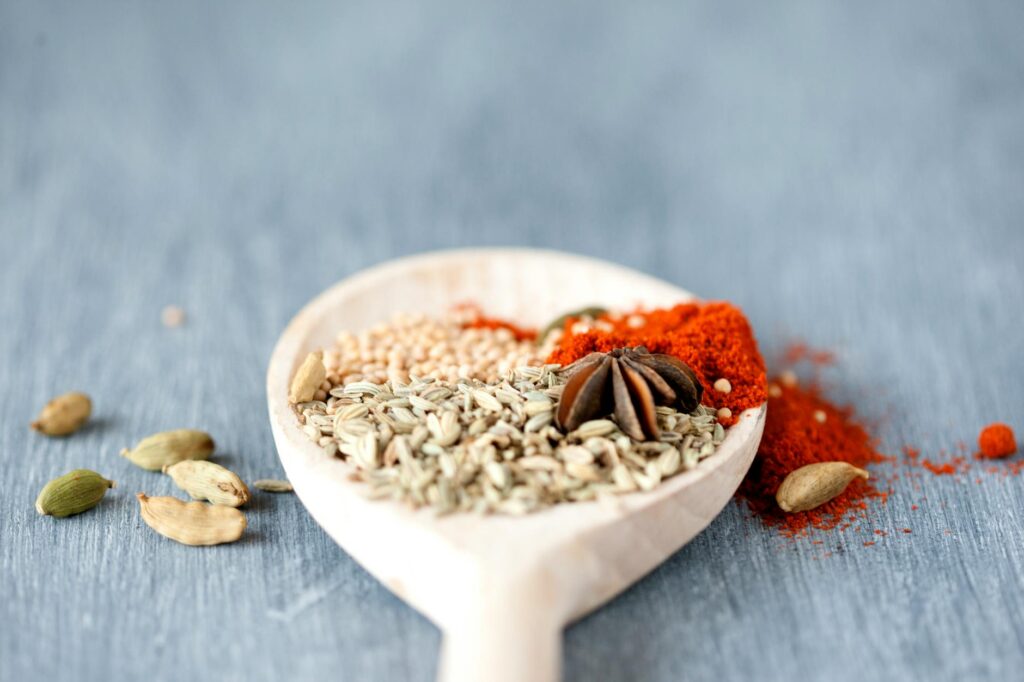
How Fennel Seeds Are Produced
Introduction
Fennel seeds, the aromatic seeds derived from the flowering plant Foeniculum vulgare, are a staple in culinary traditions around the world. Known for their sweet, anise-like flavor, fennel seeds are not only valued for their taste but also for their versatility in various culinary applications. This article delves into the intricacies of fennel seed production, exploring its history, cultivation, processing methods, and more.
What Is Fennel?
Fennel is a perennial herb belonging to the Apiaceae family, which also includes parsley, carrot, and dill. Characterized by its feathery fronds and bulb-like base, fennel is cultivated for its seeds, leaves, and bulbs. The seeds, which are the focus of this article, are harvested from the plant’s flowering heads. They possess a unique flavor profile that combines sweetness and warmth, making them a popular choice in both savory and sweet dishes.
History and Origins
Fennel has a storied history that dates back to ancient civilizations. Originating in the Mediterranean region, fennel was highly prized by the Greeks and Romans, who used it not only for culinary purposes but also for its purported medicinal qualities. The plant was mentioned in ancient texts, including those of the Roman writer Pliny the Elder, who noted its use as a digestive aid.
Over centuries, fennel spread throughout Europe and Asia, adapting to various climates and culinary traditions. Today, it is cultivated in diverse regions, including India, Egypt, and Turkey, where it thrives in a variety of soil types and climates. India is currently a leading producer of fennel seeds, contributing significantly to the global supply.
Production and Processing
Cultivation
Fennel is typically grown in well-drained, fertile soils with a pH of 6.0 to 7.5. The seeds are usually sown in the spring, as the plant prefers a temperate climate. Fennel can grow in a variety of conditions, but it flourishes best in full sunlight.
Harvesting
The harvesting of fennel seeds occurs approximately 90 to 120 days after sowing, depending on the variety and climatic conditions. Farmers monitor the flowering heads closely, as the seeds are ready for harvest when they turn brown and begin to dry. This is a critical phase, as timely harvesting is essential to prevent seed shattering and loss.
Post-Harvest Processing
Once harvested, fennel seeds undergo several post-harvest processing steps. These include:
1. Drying: Freshly harvested seeds are spread out in a single layer to dry. This step is crucial for reducing moisture content, preventing mold growth, and enhancing shelf life.
2. Cleaning: The dried seeds are cleaned to remove impurities such as soil, plant debris, and other foreign materials. This is often done using air blowers and sieving techniques.
3. Sorting and Grading: After cleaning, the seeds are sorted based on size, color, and quality. This grading process is vital for ensuring that only the best seeds reach the market.
4. Packaging: The final step in processing involves packaging the seeds in moisture-proof containers to preserve their freshness and flavor. Proper packaging also helps protect the seeds from light and air, which can degrade quality over time.
Quality and Grading
The quality of fennel seeds is determined by several factors, including size, aroma, and flavor intensity. Grading standards vary by region but typically involve assessments based on:
- Size: Larger seeds are often preferred for culinary use, as they tend to have a more robust flavor.
- Color: High-quality fennel seeds usually exhibit a uniform greenish-brown hue, indicating proper ripeness and processing.
- Aroma: Fresh fennel seeds should emit a strong, sweet aroma. A lack of fragrance may indicate staleness or poor quality.
- Source: Opt for seeds from reputable suppliers or brands known for their quality. Organic and sustainably sourced options are often preferable.
- Packaging: Look for seeds packaged in airtight containers that protect against moisture and light. This ensures longer shelf life and retains flavor.
- Freshness: Check expiration dates or harvest dates if available. Fresh seeds will have a more potent flavor and aroma.
- Appearance: Inspect the seeds for uniformity in color and size. Avoid packages with broken or discolored seeds.
- Spices and Seasonings: Fennel seeds are often ground into a powder or used whole to flavor dishes such as curries, stews, and marinades.
- Baking: The seeds can be included in bread, pastries, and cookies, imparting a distinctive flavor.
- Herbal Teas: Fennel seeds are popular in herbal teas, known for their soothing properties and aromatic qualities.
- Preservation: Fennel seeds are used in pickling and preservation processes, adding depth to the flavor profile of preserved vegetables.
- Confectionery: In some cultures, fennel seeds are candied and consumed as a mouth freshener after meals.
International Standards
Various international standards govern the quality of fennel seeds. Organizations such as the International Organization for Standardization (ISO) and the Food and Agriculture Organization (FAO) provide guidelines to ensure that fennel seeds meet specific quality requirements for global trade.
Buying Considerations
When purchasing fennel seeds, consumers should consider several factors to ensure they are getting the best product:
Uses and Applications
Fennel seeds are incredibly versatile and find applications across various culinary traditions. They are commonly used in:
Storage and Shelf Life
The shelf life of fennel seeds largely depends on their storage conditions. When stored in a cool, dark, and dry place, whole fennel seeds can last