
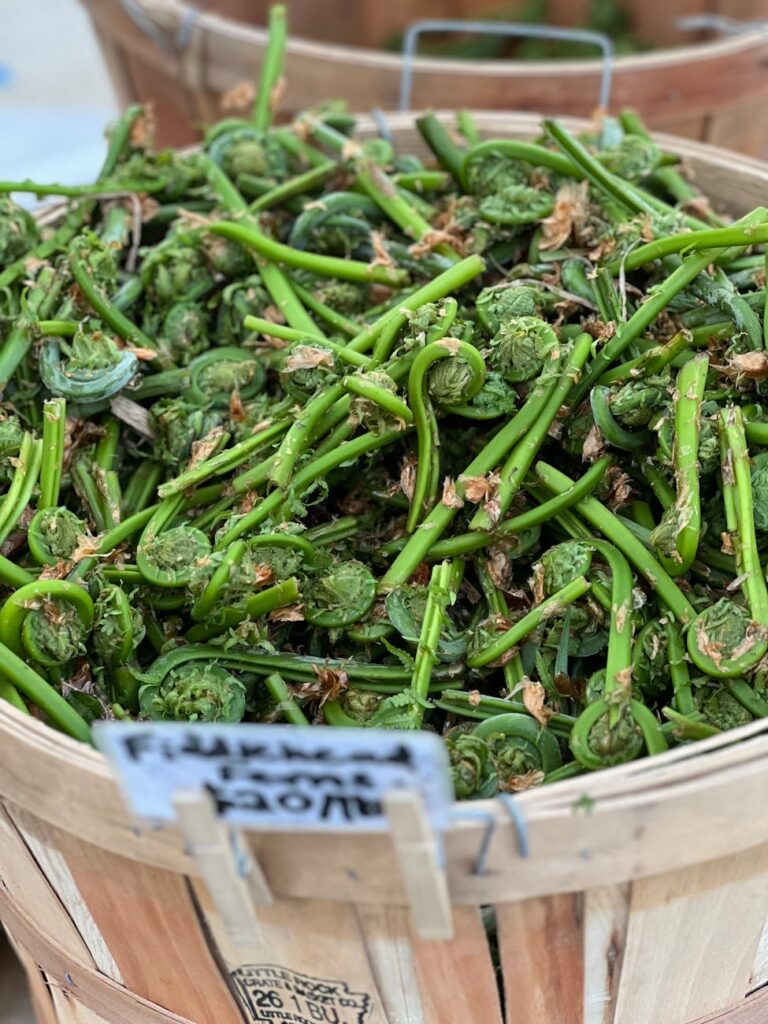
How Fiddlehead Ferns Is Produced
Introduction
Fiddlehead ferns, the young, coiled fronds of various fern species, are a seasonal delicacy celebrated for their unique flavor and texture. Often foraged in the wild, these delicate greens are as much a part of culinary tradition as they are a symbol of the natural world’s bounty. This article delves into the intricacies of fiddlehead fern production, exploring their history, processing, and culinary applications, while providing insight into purchasing and storing these seasonal treasures.
What Is About?
Fiddlehead ferns are the unfurled young shoots of ferns, primarily from the species Matteuccia struthiopteris, commonly known as ostrich ferns. They are characterized by their coiled appearance, resembling the scroll of a violin, hence the name “fiddlehead.” These edible greens are typically harvested in the spring, a period when they emerge from the ground, providing a fleeting opportunity to enjoy their distinct flavor, which is often described as grassy, earthy, and somewhat nutty.
History and Origins
The consumption of fiddlehead ferns dates back centuries, with indigenous peoples in North America utilizing them as a food source long before European settlers arrived. The culinary tradition surrounding fiddleheads is rooted in various cultures, from North America to Asia, where they have been incorporated into local cuisines. In Japan, for example, fiddlehead ferns are known as “zenmai” and are a popular ingredient in traditional dishes.
Historically, the connection between humans and fiddlehead ferns demonstrates a deep respect for seasonal foraging. As sustainable practices gain prominence in contemporary food culture, the appreciation for fiddlehead ferns continues to grow, leading to their increased availability in markets and restaurants.
Production and Processing
Fiddleheads are primarily foraged rather than cultivated, making them a unique ingredient in the food supply chain. The harvesting process typically occurs in late April through early June, depending on the region and climate. Here’s a closer examination of the production process:
Foraging
Fiddleheads are most commonly harvested from wild ferns, particularly ostrich ferns. Foragers look for the young shoots that are still tightly coiled, as these are the most tender and palatable. The harvesting process requires careful attention to sustainability; foragers must ensure that they do not overharvest any particular area, allowing the plants to thrive for future seasons.
Processing
Once harvested, fiddleheads require immediate processing to preserve their quality. The first step is to rinse them thoroughly under cold water to remove any dirt, debris, or insects. This is a crucial step, as fiddleheads can harbor small particles due to their growth habitat in damp, forested areas.
After washing, the stems can be trimmed to remove any brown scales or tough ends. Following this, the fiddleheads should be blanched briefly in boiling water to eliminate any potential toxins, as some species of ferns may contain harmful compounds. Blanching not only helps with safety but also brightens the color and enhances the flavor profile.
Packaging
Post-processing, fiddleheads are typically packaged in breathable bags or containers to maintain freshness during transport. In many cases, they are sold fresh at farmers’ markets or specialty grocery stores, while some producers may freeze or pickle them for extended shelf life.
Quality and Grading
Quality control is essential in the production of fiddlehead ferns. Factors determining their grade include size, freshness, and absence of discoloration or damage. High-quality fiddleheads should be vibrant green, tightly coiled, and firm to the touch. Discoloration, wilting, or excessive browning are indicators of age or poor handling.
Grading standards may vary between regions, but generally, fiddleheads are categorized into three grades:
1. Grade A: These are the finest quality, exhibiting vibrant color and firmness, suitable for high-end culinary applications.
2. Grade B: Slightly larger or less uniform in shape, but still acceptable for cooking and consumption.
3. Grade C: These are typically overripe or damaged and may be used for processing rather than direct sale.
Buying Considerations
When purchasing fiddlehead ferns, several factors should be taken into account to ensure quality and safety:
- Source: Opt for fiddleheads from reputable suppliers who engage in sustainable foraging practices. Local farmers’ markets or specialty stores often provide the freshest options.
- Seasonality: Fiddleheads are a seasonal product; they are typically available in early spring. Purchasing them out of season may result in inferior quality or unethically sourced products.
- Appearance: Look for tightly coiled, bright green fiddleheads. Avoid those that appear wilted, brown, or slimy, as these may indicate spoilage.
- Preparation: Ensure that the fiddleheads have been properly cleaned and blanched. If buying pre-packaged, check for clear labeling regarding handling and storage.
- Sautéing: A common method of preparation, sautéed fiddleheads can be enjoyed as a side dish or incorporated into stir-fries.
- Soups and Stews: When added to soups, fiddleheads provide a delightful crunch and earthy flavor, complementing other ingredients.
- Salads: Blanched and cooled fiddleheads can be tossed into salads for added texture and visual appeal.
- Pickling: Some producers opt to pickle fiddleheads, creating a tangy, preserved version that can be enjoyed year-round.
- Garnishing: Fiddleheads can serve as an elegant garnish for various dishes, enhancing both presentation and flavor.
Uses and Applications
Fiddlehead ferns are versatile ingredients in the culinary world, utilized in a variety of dishes. Their unique flavor and texture lend themselves to an array of applications:
Storage and Shelf Life
Fresh fiddlehead