
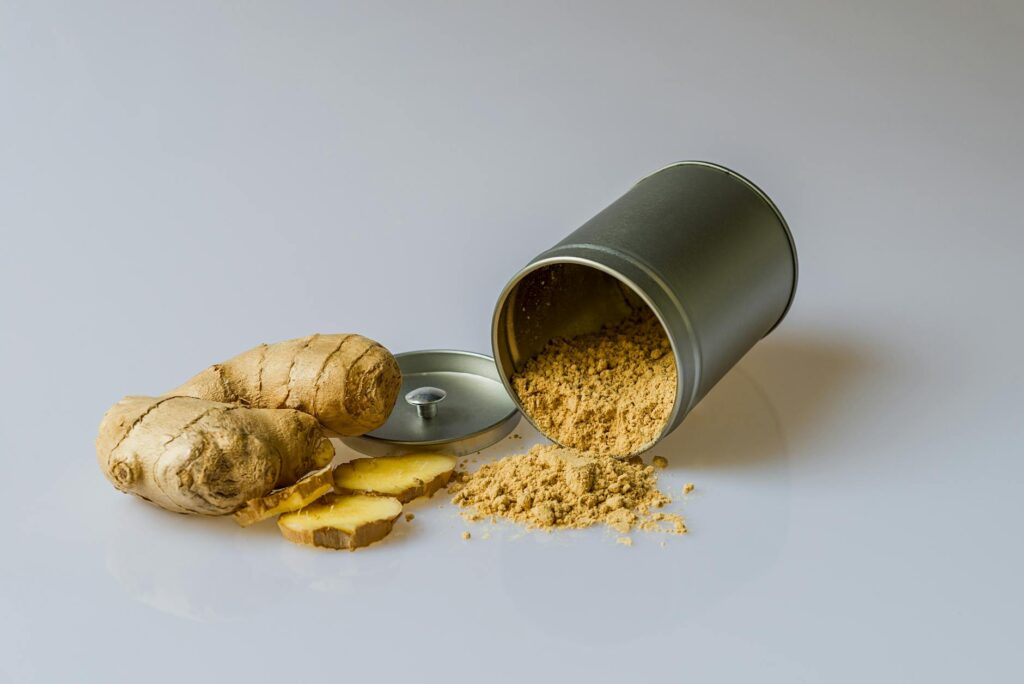
How Ginger Is Farmed Commercially
Introduction
Ginger, scientifically known as Zingiber officinale, is a perennial flowering plant that is widely recognized for its culinary and medicinal properties. Native to Southeast Asia, ginger is a staple in many global cuisines and is celebrated for its aromatic flavor and versatility. As demand for fresh and dried ginger continues to grow, understanding the commercial farming of this ingredient becomes increasingly important. This article delves into the intricacies of ginger cultivation, from its historical roots to modern-day production practices.
What Is Growing?
Growing, in the context of agriculture, refers to the cultivation of plants for food, fiber, or other products. It encompasses a series of activities, including planting, nurturing, harvesting, and processing. Specifically, ginger farming involves cultivating the rhizome—an underground stem that stores nutrients and serves as the plant’s primary means of propagation. Understanding the specific conditions and methods required for successful ginger cultivation is essential for farmers aiming to maximize yield and quality.
History and Origins
Ginger has a rich history that dates back thousands of years. Its origins can be traced to the tropical rainforests of Southeast Asia, where it was first cultivated. Ancient texts from China and India highlight ginger’s use as both a spice and a medicinal herb around 500 BC. The spice gained popularity along trade routes, spreading to the Middle East and Europe. By the Middle Ages, ginger was one of the most sought-after spices in Europe, often used to preserve meats and flavor foods.
Today, ginger is cultivated in several countries, including India, China, Indonesia, and Nigeria, which are among the top producers globally. Each region contributes unique flavor profiles and qualities based on local growing conditions.
Production and Processing
Cultivation Practices
Commercial ginger farming begins with selecting quality seed rhizomes. These rhizomes, ideally sourced from disease-free plants, are typically planted in rich, well-drained soil with a pH of 5.5 to 6.5. The planting process usually occurs at the onset of the rainy season, as ginger requires substantial moisture for optimal growth.
Ginger thrives in warm, humid climates with temperatures ranging from 20°C to 30°C (68°F to 86°F). Farmers often create raised beds to improve drainage, as standing water can lead to rot. The seeds are planted about 2-4 inches deep, allowing for adequate spacing to promote air circulation and reduce disease susceptibility.
Watering and Fertilization
Irrigation is crucial during the initial growth stages. Farmers typically employ drip irrigation or sprinkler systems to maintain consistent moisture levels without oversaturating the soil. Fertilization is also essential, with organic matter, compost, and balanced fertilizers applied to support healthy growth. Nitrogen-rich fertilizers are often used to enhance foliage, while potassium and phosphorus are added to promote root development.
Pest and Disease Management
Ginger is susceptible to various pests and diseases, including root-knot nematodes, fungal infections, and bacterial wilt. Integrated Pest Management (IPM) practices are employed to mitigate these threats, combining cultural, mechanical, and chemical control methods. Crop rotation, maintaining soil health, and using resistant varieties are common strategies used by ginger farmers to reduce the incidence of pests and diseases.
Harvesting
Typically, ginger is ready for harvest between 8 to 10 months after planting. Farmers usually assess the plant’s maturity by evaluating the leaves, which turn yellow and begin to die back. Harvesting involves carefully uprooting the rhizomes to prevent damage. This process can be labor-intensive, and farmers often use hand tools to minimize soil disturbance and preserve the integrity of the rhizomes.
Post-Harvest Processing
Once harvested, ginger rhizomes undergo several post-harvest processing steps. Cleaning is crucial to remove dirt and debris, followed by grading based on size and quality. Depending on market demands, ginger may be sold fresh, dried, or processed into products like ginger powder, oil, or candies. Effective post-harvest handling is vital to maintain the quality and extend the shelf life of ginger.
Quality and Grading
Quality assessment of ginger is based on several factors, including size, firmness, color, and absence of blemishes or decay. Standard grading categories help buyers make informed purchasing decisions. Fresh ginger is often graded as follows:
- Grade A: Large, firm rhizomes with smooth skin and a vibrant color.
- Grade B: Medium-sized rhizomes with minor blemishes but still firm.
- Grade C: Smaller rhizomes with visible imperfections or signs of decay.
Dried ginger is graded based on its aroma, moisture content, and absence of foreign substances. Quality control at every stage, from cultivation to processing, ensures that only the best products reach the market.
Buying Considerations
When purchasing ginger, consumers should consider several factors to ensure they are selecting high-quality products. Fresh ginger should be firm to the touch, with a smooth, unblemished skin. A strong aroma indicates freshness, while any signs of mold or soft spots suggest deterioration.
For dried ginger, look for a rich, spicy fragrance and ensure it is free from clumps or excessive moisture. Organic certifications may also influence purchasing decisions for those concerned about pesticide use.
Furthermore, sourcing from reputable suppliers or local farmers can enhance the likelihood of obtaining high-quality ginger. Understanding the origin and cultivation practices can provide insight into the flavor profile and quality of the ginger being purchased.
Uses and Applications
Ginger is versatile and can be used in various culinary applications. Its distinct flavor makes it a popular ingredient in both sweet and savory dishes. Fresh ginger is often grated into stir-fries, soups, and marinades, while dried ginger is commonly used in baking, spice blends, and beverages.
Beyond culinary uses, ginger is also utilized in the beverage industry, featuring prominently in teas, sodas, and alcoholic beverages like ginger beer. Its aromatic oils are extracted for use in perfumes, cosmetics, and aromatherapy products.
The multifunctional nature of ginger makes it an invaluable ingredient across different sectors, reinforcing its importance in global markets.
Storage and Shelf Life
Proper storage of ginger is essential to maintain its quality and prolong shelf life. Fresh ginger should be kept in a cool, dry place, ideally in the refrigerator, where it can last for several weeks. Storing ginger in a paper bag can help maintain humidity levels and prevent mold growth.
Dried ginger, on the other hand, should be stored in an airtight container in a cool, dark place to prevent moisture absorption. When stored properly, dried ginger can last for several months to a year without significant loss in quality.
Common Misconceptions
One common misconception about ginger is that it is exclusively a tropical plant. While it thrives in warm climates, ginger can be grown in various regions with the right care and conditions. Additionally, there is a belief that all ginger has the same flavor profile. In reality, the flavor can vary significantly based on the variety and growing conditions, leading to unique taste experiences.
Another myth is that dried ginger is nutritionally inferior to fresh ginger. While fresh ginger does contain higher amounts of some nutrients, dried ginger retains many of its beneficial compounds and can be just as effective in culinary applications.
Frequently Asked Questions
1. How long does it take for ginger to grow?
Ginger typically takes 8 to 10 months to mature, depending on the growing conditions and variety.
2. Can ginger be grown in containers?
Yes, ginger can be successfully grown in containers as long as the pot is large enough and has good drainage.
3. Is ginger a perennial plant?
Yes, ginger is a perennial plant, meaning it can grow and produce rhizomes for multiple growing seasons.
4. What are the optimal growing conditions for ginger?
Ginger thrives in warm, humid environments with well-drained soil and temperatures between 20°C to 30°C (68°F to 86°F).
5. How do I know if ginger is fresh?
Fresh ginger should be firm, smooth, and free of blemishes or mold. It should also have a strong, spicy aroma.
6. Can ginger be harvested multiple times?
While ginger can be harvested once per growing season, farmers can propagate new crops from the rhizomes left in the ground, allowing for continuous production over multiple years.
In conclusion, the commercial farming of ginger involves intricate knowledge of cultivation practices, quality assessment, and post-harvest processing. With its rich history and diverse applications, ginger continues to be a vital ingredient in culinary and industrial sectors worldwide. Understanding the nuances of ginger production not only enhances appreciation for this remarkable spice but also underscores the importance of sustainable agricultural practices in meeting global demand.