
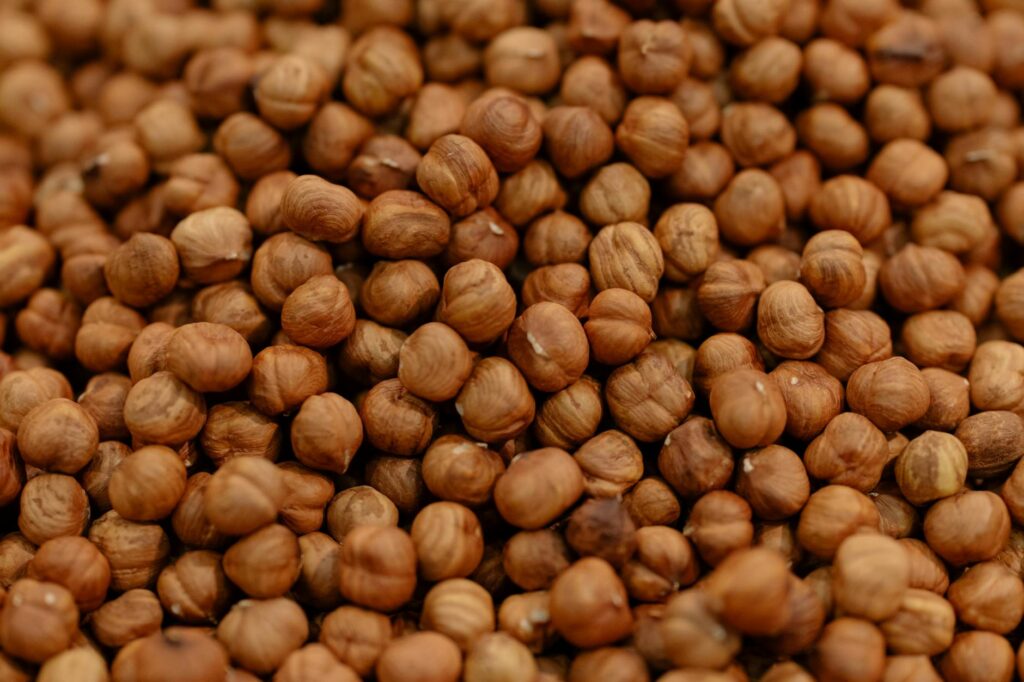
How Hazelnuts Are Produced
Introduction
Hazelnuts, scientifically known as Corylus avellana, are a versatile and nutritious ingredient beloved by chefs and home cooks alike. Found in a multitude of culinary applications, from confectionery to savory dishes, these nuts are cherished for their rich, buttery flavor and unique texture. This article delves into the fascinating world of hazelnut production, exploring their history, cultivation practices, quality grading, and more.
What Is About?
Hazelnuts are the edible seeds of the hazel tree, which belong to the Betulaceae family. Known for their round shape and hard shell, these nuts are not only a popular snack but also a key ingredient in various culinary creations, ranging from chocolate spreads to gourmet pastries. Beyond their culinary uses, hazelnuts are rich in nutrients, offering a wealth of health benefits when consumed in moderation.
History and Origins
The cultivation of hazelnuts dates back thousands of years, with evidence of their use found in archaeological sites across Europe and Asia. Ancient Greeks and Romans valued hazelnuts not only for their taste but also for their nutritional properties. The nut was often associated with fertility and prosperity in various cultures.
The primary species, Corylus avellana, is believed to have originated in the Mediterranean region. It spread throughout Europe and eventually made its way to North America, where it was further cultivated. Today, Turkey is the world’s largest producer, responsible for about 70% of global hazelnut production, followed by Italy, the United States, and Spain.
Production and Processing
Cultivation
Hazelnuts thrive in temperate climates with well-drained soil and a good balance of sun and moisture. They are typically grown in orchards, with trees spaced adequately to allow for air circulation and sunlight penetration. The trees can reach maturity in about four to five years, producing nuts in abundance once they do.
Pollination
Hazelnuts are unique in that they require cross-pollination to produce fruit. This means that multiple varieties must be planted in proximity to ensure successful pollination. Typically, male catkins release pollen in early spring, coinciding with the flowering of female blooms. This natural synchronization is crucial for a bountiful harvest.
Harvesting
Harvesting usually occurs in late summer to early autumn. As the nuts mature, they fall from their husks, making them easier to collect. In commercial operations, mechanical harvesters are often employed to gather the nuts efficiently. Once collected, the nuts undergo an initial cleaning to remove debris, followed by drying to reduce moisture content, which is essential for preserving quality.
Processing
After harvesting, hazelnuts are processed to prepare them for market. This typically includes:
1. Shelling: The hard outer shell is removed, either through mechanical means or hand-shelling for high-quality nuts.
2. Roasting: Roasting enhances the flavor and aroma of hazelnuts. This process can vary in temperature and duration, depending on the desired flavor profile.
3. Cooling: Post-roasting, the nuts must be cooled quickly to halt the cooking process and preserve their texture.
4. Grading: Nuts are sorted based on size, appearance, and quality, ensuring that only the best reach consumers.
Quality and Grading
The quality of hazelnuts is determined by several factors, including size, appearance, and flavor. Grading systems may differ by country, but generally, they fall into categories such as:
- Extra Fancy: These are the highest quality nuts, with minimal defects and a rich flavor.
- Fancy: Slightly lower quality but still excellent, these nuts may have minor imperfections.
- Standard: These nuts are of acceptable quality for general consumption but may show signs of damage or discoloration.
- Confectionery: They are a key ingredient in many chocolates and candies, contributing to the rich flavor profile of products like Nutella.
- Baking: Ground hazelnuts are often used in flour blends for cakes, cookies, and pastries, adding depth to baked goods.
- Savory Dishes: Hazelnuts can be incorporated into salads, sauces, and meat dishes, providing a delightful crunch and nutty flavor.
- Oils: Hazelnut oil, made by cold-pressing the nuts, is prized for its flavor and is often used in dressings and marinades.
Quality control is paramount in the hazelnut industry, as defects can significantly affect the flavor and marketability of the product. Producers often adhere to strict guidelines and standards to ensure the highest quality.
Buying Considerations
When purchasing hazelnuts, several factors should be considered:
1. Freshness: Look for nuts that have been recently harvested and processed. Check for packaging dates if available.
2. Appearance: Choose nuts that are uniform in size and color, with no signs of mold or discoloration.
3. Source: Understanding the origin can provide insight into the quality. Nuts from reputable regions known for their production, such as Turkey or Italy, are often preferable.
4. Form: Hazelnuts are available in various forms, including whole, chopped, or ground. Consider how you plan to use them when selecting a form.
5. Organic vs. Conventional: Organic hazelnuts may be a better choice for those concerned about pesticides and chemicals.
Uses and Applications
Hazelnuts are incredibly versatile and can be used in a variety of culinary applications:
Storage and Shelf Life
To maintain freshness, hazelnuts should be stored in an airtight container in a cool, dark place. When properly stored, whole hazelnuts can last for up to a year, while roasted nuts may have a slightly shorter shelf life due to the increased oil content. For longer storage,