
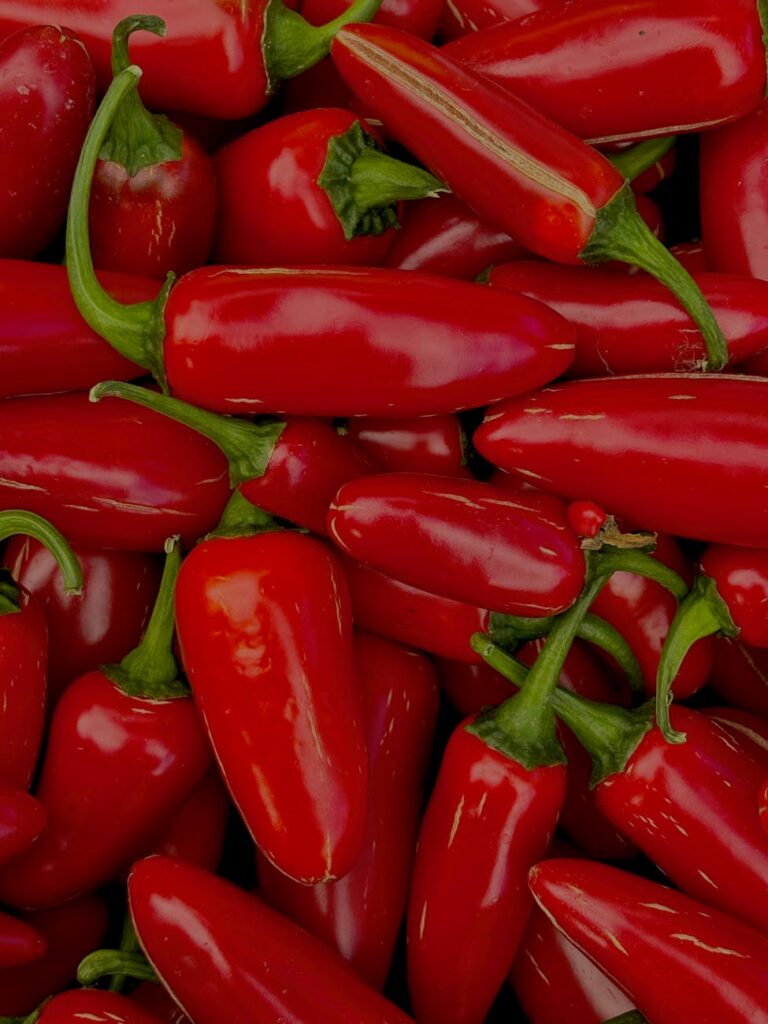
How Jalapeño Is Farmed Commercially
Introduction
The jalapeño pepper, known for its distinct heat and flavor, is a staple in cuisines worldwide. From salsas to grilled dishes, its versatility has made it a favorite among chefs and home cooks alike. This article delves into the commercial farming practices of jalapeños, exploring the intricacies of their growth, production, and processing, as well as their significance in the culinary world.
What Is Growing?
Growing is a multifaceted process that encompasses the cultivation, nurturing, and harvesting of plants. In the context of jalapeños, it involves selecting the right varieties, preparing the soil, planting, managing pests and diseases, and optimizing conditions for growth to yield the best possible fruit. Each phase of growth is crucial, as jalapeños thrive in specific environmental conditions and require careful attention to detail throughout their life cycle.
History and Origins
Jalapeños originate from Mexico, where they have been cultivated for centuries. The pepper is named after Xalapa (or Jalapa), the capital of the Veracruz state, where it was first grown. Historically, jalapeños were used by indigenous peoples for their flavor and preservation qualities. As agriculture evolved, they became popular beyond Mexican borders, particularly in the United States, where they are now widely grown.
The varieties of jalapeños have diversified over time, leading to a range of heat levels and flavors, from mild to hot. Commercial farming of jalapeños began to expand significantly in the late 20th century as the demand for spicy foods grew globally, establishing jalapeños as a key ingredient in many culinary traditions.
Production and Processing
Cultivation Practices
Commercial jalapeño farming begins with selecting the appropriate variety based on climate, soil conditions, and market demand. Common varieties include the ‘Early Jalapeño’ and ‘TAM Jalapeño,’ each with unique characteristics suited for different growing conditions.
Soil Preparation: Jalapeños thrive in well-draining, loamy soil with a pH level between 6.0 and 6.8. Farmers often incorporate organic matter or fertilizers to enhance soil fertility and structure.
Planting: Seeds are typically sown indoors or in seedbeds, and seedlings are later transplanted to outdoor fields when the risk of frost has passed. The optimal planting time varies by region but generally occurs in spring.
Watering and Irrigation: Adequate water is essential for jalapeño growth. Drip irrigation is often employed to conserve water and deliver moisture directly to the roots, minimizing leaf wetness and reducing the risk of fungal diseases.
Pest and Disease Management: Effective pest management strategies are crucial in commercial production. Farmers utilize integrated pest management (IPM) techniques, combining biological controls, crop rotation, and targeted pesticide applications to mitigate the impact of pests like aphids and spider mites.
Harvesting
Harvesting jalapeños usually occurs about 70 to 90 days after planting, depending on the variety and growing conditions. The peppers are typically picked when they are firm, glossy, and green. Harvesting is done by hand to minimize damage, and care is taken to avoid overripe fruit, which can affect quality and marketability.
Processing
Once harvested, jalapeños are often sorted, washed, and packaged for distribution. Processing facilities may also roast, slice, or can jalapeños to meet consumer demand for convenience and variety. These processes help preserve flavor and extend shelf life, allowing for broader applications in culinary settings.
Quality and Grading
Quality assessment of jalapeños is critical to ensure they meet market standards. Factors influencing quality include:
- Size and Shape: Uniformity in size and shape is preferred by consumers and retailers.
- Color: Bright green color indicates freshness, while discoloration may signal overripeness or decay.
- Firmness: A firm texture is a sign of a healthy jalapeño, while soft or wrinkled peppers may be past their prime.
- Taste: Flavor profiles vary, and some markets may prefer milder or spicier varieties.
- Freshness: Look for firm, glossy peppers without blemishes or soft spots.
- Color: Aim for vibrant green peppers; yellowing may indicate overripeness.
- Source: Local or organic jalapeños may offer superior flavor and freshness compared to mass-produced options.
- Fresh: Sliced in salads, sandwiches, or as toppings for various dishes.
- Cooked: Incorporated into sauces, stews, and grilled dishes for added heat and flavor.
- Preserved: Pickled or canned jalapeños are popular condiments, adding spiciness to tacos, nachos, and more.
- Infused: Used to create jalapeño-flavored oils and sauces, enhancing dishes with a spicy kick.
Jalapeños are often graded based on these criteria, with higher grades commanding better prices in the market.
Buying Considerations
When purchasing jalapeños, consumers should consider several factors to ensure quality:
In bulk purchasing, buyers should inquire about the grading system used by suppliers to ensure they receive the desired quality.
Uses and Applications
Jalapeños have a wide range of culinary uses:
The pepper’s adaptability in various cuisines, from Tex-Mex to Asian, underscores its global appeal.
Storage and Shelf Life
Proper storage of jalapeños is essential for preserving quality. Fresh jalapeños should be kept in a refrigerator, ideally in a perforated plastic bag, to allow for airflow while maintaining humidity. Under optimal conditions, they can last up to two weeks.
For longer storage, jalapeños can be frozen. It is advisable to wash, slice, and blanch them before freezing to maintain flavor and texture. Dried or pickled jalapeños