
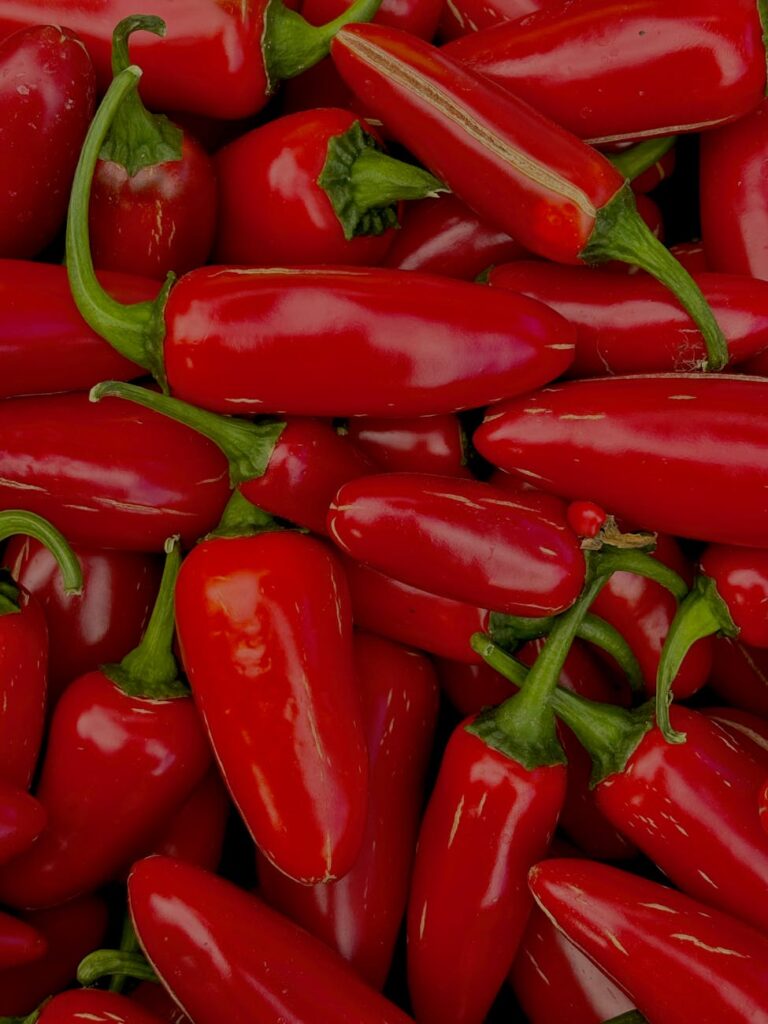
How Jalapeño Is Produced
Introduction
Jalapeños, known for their vibrant green color and characteristic heat, have become a staple in various cuisines around the world. Their unique flavor profile, which blends a mild spice with a fresh, grassy taste, makes them a versatile ingredient in numerous culinary applications. This article delves into the intricate process of jalapeño production, from its historical roots to modern agricultural practices, while providing insights into quality assessment, usage, and storage.
What Is About?
Jalapeño peppers (Capsicum annuum) are medium-sized chili peppers that typically measure between 2 to 5 inches in length. They are characterized by their glossy skin, which can range from deep green to a ripened red. The heat level of jalapeños is measured on the Scoville scale, typically ranging from 2,500 to 8,000 Scoville Heat Units (SHU). This makes them relatively mild compared to other chili varieties, allowing them to be enjoyed by a broad audience. Their flavor is often described as a combination of fresh, grassy notes with a hint of earthiness, making them suitable for a variety of dishes.
History and Origins
The jalapeño has its roots in Mexico, specifically in the region surrounding the town of Xalapa, Veracruz, from which it derives its name. Historically, these peppers have been cultivated for centuries, with evidence suggesting their use as far back as pre-Columbian times. The indigenous peoples of Mexico utilized jalapeños not only for their flavor but also for their preservative qualities.
As European explorers arrived in the Americas, they encountered these vibrant peppers and began to incorporate them into their cuisines. By the 19th century, jalapeños gained popularity beyond Mexico, especially in the southwestern United States. The pepper’s journey continued into the modern era, where it has been embraced globally, appearing in a multitude of dishes and culinary styles.
Production and Processing
Cultivation
Jalapeños thrive in warm climates, requiring a temperature range between 70°F and 85°F (21°C to 29°C) for optimal growth. The growing season typically spans from spring to early fall, depending on regional climates. Farmers often begin the cultivation process by starting seeds indoors, allowing them to germinate before transplanting them outdoors.
The soil quality is crucial for jalapeño production; it should be well-drained, rich in organic matter, and have a pH level between 6.0 and 6.8. Farmers often perform soil tests to ensure optimal conditions, amending the soil with fertilizers and compost as necessary. Irrigation is also critical, especially in drier regions. Drip irrigation is commonly used to provide consistent moisture without saturating the roots.
Harvesting
Jalapeños are typically harvested when they are still green, although they can be left on the plant to ripen to red. The timing of the harvest is crucial; growers usually monitor the size and color of the peppers to determine the right moment for picking. Harvesting is done by hand to minimize damage to the plant and ensure the peppers are picked at their peak flavor and heat levels.
Processing
Once harvested, jalapeños undergo a series of processing steps. They are first washed to remove any dirt or contaminants. Depending on their intended use, they may be sorted by size and quality. Some jalapeños are sold fresh, while others may be dried, pickled, or roasted.
- Drying: Dried jalapeños, often referred to as chipotles, are smoked and dried, enhancing their flavor profile.
- Pickling: This process involves soaking jalapeños in a vinegar solution, preserving their freshness while adding a tangy flavor.
- Roasting: Roasted jalapeños, often charred over an open flame, are used in salsas and other dishes for their smoky flavor.
- U.S. No. 1: These jalapeños are uniform in size, have a vibrant color, and are free from defects.
- U.S. No. 2: This grade may have slight imperfections but is still suitable for consumption.
- U.S. No. 3: Often considered lower quality, these peppers may have significant defects and are typically used for processing or in products like sauces.
- Fresh Dishes: Used raw in salads, salsas, and as garnishes, jalapeños impart a crisp, spicy element.
- Cooked Dishes
Quality and Grading
Quality assessment of jalapeños is critical, especially for commercial distribution. Factors influencing the grading include size, shape, color, firmness, and the absence of blemishes or decay. The United States Department of Agriculture (USDA) provides guidelines for grading jalapeños, categorizing them into three primary grades: U.S. No. 1, U.S. No. 2, and U.S. No. 3.
Buying Considerations
When purchasing jalapeños, consumers should consider several factors to ensure they select the best quality product:
1. Freshness: Look for firm, glossy peppers without wrinkles or soft spots. Freshness significantly affects flavor and heat levels.
2. Color: A vibrant green color typically indicates ripeness, while red jalapeños are sweeter and more mature.
3. Size: While size preference may vary, uniformity is often a sign of quality.
4. Source: Buying locally can enhance freshness and support local farmers. Check for labels indicating organic or sustainable farming practices when possible.
5. Storage Conditions: Ensure that the peppers have been stored properly, as improper handling can lead to spoilage.
Uses and Applications
Jalapeños are incredibly versatile in the kitchen, finding their way into a wide array of dishes: