
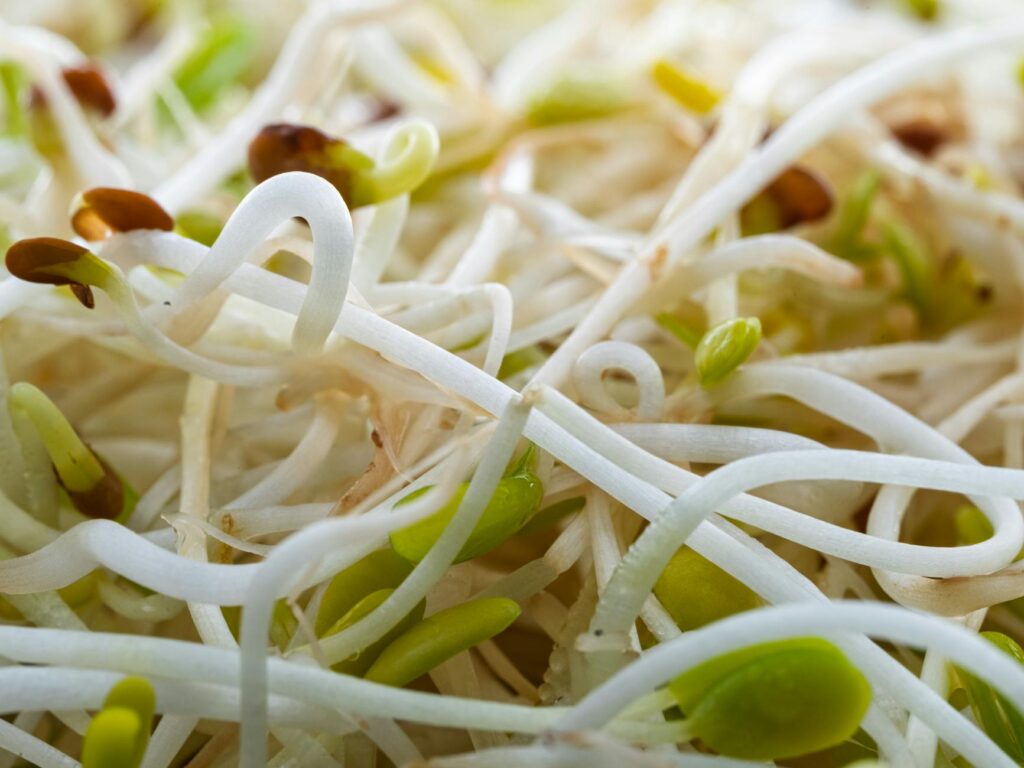
How Kale Sprouts Are Produced
Introduction
Kale sprouts, an emerging star in the world of superfoods, are gaining popularity for their tender texture and vibrant flavor. As a member of the Brassica family, which includes other nutritional powerhouses like broccoli and cabbage, kale sprouts are not only versatile but also packed with essential nutrients. This article delves into the journey of kale sprouts from seed to table, exploring their history, production processes, and myriad uses.
What Are Kale Sprouts?
Kale sprouts are young, tender shoots of the kale plant, specifically cultivated for consumption. These microgreens are harvested early in their growth cycle, typically within 10 to 14 days after germination. They are characterized by their delicate leaves, which are often a vivid green color, and a slightly peppery flavor that adds a refreshing element to various dishes. Unlike fully mature kale, which can be tough and bitter, kale sprouts are tender, making them a delightful addition to salads, sandwiches, and garnishes.
History and Origins
The history of kale and its sprouts can be traced back thousands of years. Kale itself is believed to have originated in the Eastern Mediterranean and Asia Minor around 2000 BC. The plant was cultivated by the Greeks and Romans, who valued it for its nutritional benefits and versatility.
The cultivation of kale sprouts as a distinct food product is a more recent development, gaining traction in the late 20th century as part of the rising interest in microgreens and health-focused diets. This trend has led to the increased popularity of kale sprouts, particularly in North America and Europe, where they are often seen in farmers’ markets and specialty grocery stores.
Production and Processing
Cultivation
Kale sprouts are grown from kale seeds, which are sown in nutrient-rich soil. The seeds require specific conditions to germinate, including adequate moisture, light, and temperature. Most growers start their kale sprouts indoors under controlled conditions, ensuring that the environment is conducive to healthy growth.
Once the seeds are sown, they typically germinate within 3 to 5 days. During this period, growers monitor the soil moisture and light exposure carefully. After germination, the sprouts grow rapidly, reaching harvestable size in about 10 to 14 days.
Harvesting
Harvesting kale sprouts requires precision to ensure optimal taste and texture. Growers usually cut the sprouts just above the soil line using sharp, sanitized scissors or knives. This method minimizes damage to the plants and allows for clean, uniform sprouts.
Once harvested, the sprouts are promptly rinsed in cold water to remove any soil or debris. This step is crucial for maintaining cleanliness and quality before packaging and distribution.
Processing
After washing, kale sprouts are typically dried using a salad spinner or air-drying to remove excess moisture. This is important as excess water can lead to spoilage during storage. The cleaned and dried sprouts are then packaged in breathable containers to prevent wilting while ensuring they remain fresh during transport.
Quality and Grading
The quality of kale sprouts is assessed based on several factors, including size, color, and flavor. High-quality sprouts should have vibrant green leaves, a fresh scent, and a crisp texture. Discoloration, wilting, or off-odors are indicators of poor quality.
Grading systems vary by region but generally classify kale sprouts into categories ranging from premium to standard based on their visual appeal and taste. Premium sprouts are typically sold at a higher price point and are favored by gourmet chefs and health-conscious consumers.
Buying Considerations
When purchasing kale sprouts, consumers should consider several factors to ensure they are getting the best product.
1. Source: Look for local growers or organic producers who prioritize sustainable farming practices. Purchasing locally can also mean fresher sprouts.
2. Seasonality: Kale sprouts are typically available year-round, but they are often at their peak in the spring and fall when growing conditions are ideal.
3. Appearance: Choose sprouts that are vibrant in color, free from yellowing or browning, and feel crisp to the touch.
4. Packaging: Opt for sprouts packaged in breathable containers to maintain freshness. Avoid those packaged in airtight plastic, as this can lead to moisture buildup and spoilage.
5. Labeling: Check for certifications such as organic or non-GMO, which may align with personal values or dietary preferences.
Uses and Applications
Kale sprouts are incredibly versatile and can be incorporated into a wide variety of dishes. They can be used as a garnish, added to salads, or blended into smoothies for an extra nutrient boost. Their mild flavor makes them suitable for both raw and cooked applications, though they are most commonly enjoyed raw to preserve their nutritional benefits.
In culinary settings, kale sprouts can be a vibrant addition to sandwiches, wraps, or as a topping for grain bowls. They also work well in stir-fries, soups, and as part of a colorful vegetable platter. As the trend toward health-conscious eating continues, the applications for kale sprouts are expanding, appealing to chefs and home cooks alike.
Storage and Shelf Life
Proper storage is essential for maintaining the freshness and quality of kale sprouts. They should be kept in the refrigerator, ideally in a breathable container. If purchased in a clamshell or plastic container, it is advisable to transfer them to a paper bag or a container with holes to allow air circulation.
Under optimal conditions, kale sprouts can last for about 5 to 7 days. However, it is crucial to monitor them regularly for signs of spoilage, such as wilting, discoloration, or unpleasant odors. Consuming them while they are fresh ensures the best taste and maximum nutrient retention.
Common Misconceptions
1. Kale Sprouts Are the Same as Kale Microgreens
While kale sprouts and kale microgreens are related, they are not the same. Kale sprouts are harvested