
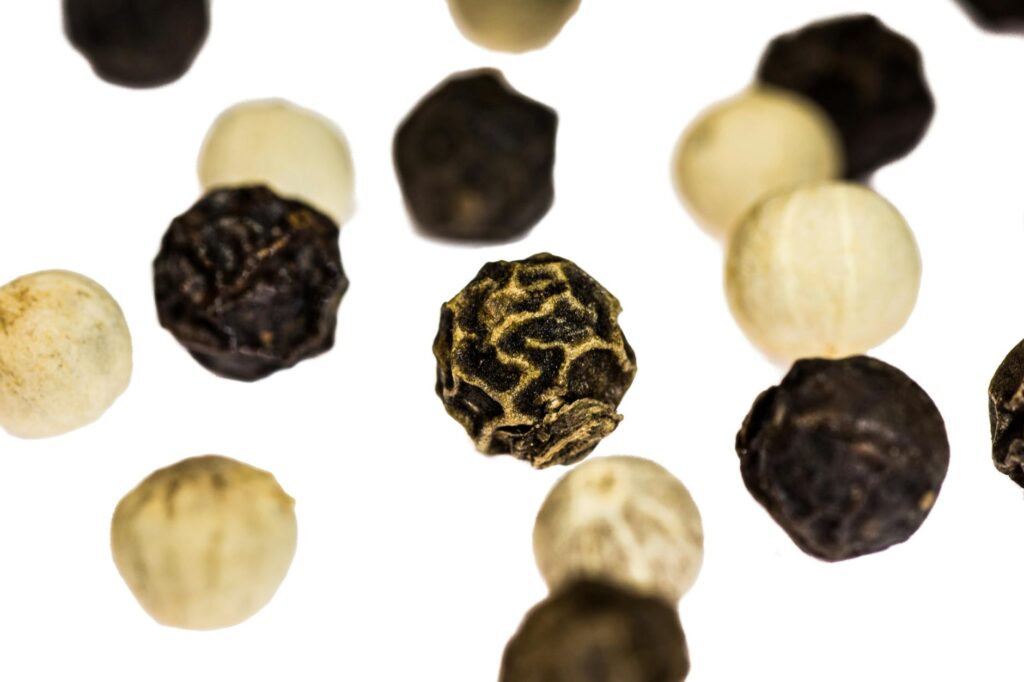
How Kaleidoscope Pepper Is Produced
Introduction
Kaleidoscope pepper, an exotic and visually striking culinary ingredient, has garnered attention for its vibrant colors and nuanced flavors. This unique pepper is not just a feast for the eyes; it also offers a range of culinary applications that enhance dishes from various cuisines. In this article, we will explore the intricate journey of kaleidoscope pepper, from its origins and production methods to its uses and storage considerations.
What Is Kaleidoscope Pepper?
Kaleidoscope pepper is a type of pepper characterized by its stunning array of colors, typically ranging from bright yellow, orange, and red to deep purple. These peppers are not a singular variety but rather a mix of different pepper cultivars, often selected for their color and flavor profiles. The name “kaleidoscope” aptly describes its colorful appearance, making it a popular choice among chefs and food enthusiasts alike.
Kaleidoscope pepper can be used fresh, dried, or ground, and it offers a mild to moderate heat level, making it versatile for various culinary applications. Its aesthetic appeal makes it particularly popular in garnishing and plating, elevating the visual presentation of dishes.
History and Origins
The origins of kaleidoscope pepper can be traced back to the diverse regions where various pepper species were cultivated, primarily in Central and South America. The domestication of peppers began thousands of years ago, with indigenous cultures recognizing their culinary and medicinal properties.
As globalization took hold, different pepper varieties spread across continents, leading to hybridization and the creation of new cultivars. Kaleidoscope pepper, as we know it today, is a product of this evolution. The concept of blending various pepper types to create visually stunning and flavorful results aligns with the culinary creativity seen in modern gastronomy.
Production and Processing
Cultivation
Kaleidoscope peppers thrive in warm, temperate climates with well-draining soil enriched with organic matter. They are typically grown in regions with ample sunlight, as this promotes healthy plant growth and vibrant color development. Farmers often utilize sustainable farming practices, such as crop rotation and organic fertilizers, to maintain soil health and reduce the reliance on chemical pesticides.
Kaleidoscope peppers can be cultivated from seeds or transplants. Farmers begin by starting seeds indoors and then transplanting them outdoors once the weather warms up. The plants require regular watering and care to ensure optimal growth, with particular attention given to pest management and disease prevention.
Harvesting
Harvesting kaleidoscope peppers involves careful timing to ensure peak flavor and color. Farmers monitor the plants closely, waiting until the peppers reach full maturity, indicated by their bright colors. Harvesting is typically done by hand to minimize damage to the delicate fruits.
Once harvested, the peppers are quickly transported to processing facilities to maintain their freshness. This swift transition is crucial for preserving the peppers’ vibrant colors and flavors.
Processing
After harvesting, kaleidoscope peppers undergo a thorough cleaning process to remove dirt and impurities. Depending on the intended use, they may be sold fresh, dried, or ground into powder.
- Fresh: For fresh consumption, peppers are sorted and packaged to ensure quality and visual appeal.
- Dried: When drying, peppers are often subjected to low heat to retain their flavors and colors while extending shelf life.
- Ground: For ground pepper products, the dried peppers are finely milled, allowing for easy incorporation into various dishes.
- Garnishing: The vibrant colors of kaleidoscope pepper make them an excellent choice for garnishing salads, soups, and main dishes.
- Salads: Freshly sliced or diced kaleidoscope peppers can add a crunch and visual appeal to salads.
- Salsas and Dips: They can be chopped and included in salsas or dips for added flavor and color.
- Stuffed Peppers: Their size and shape make them ideal for stuffing with various fillings, including grains, meats, and
Throughout this processing stage, quality control measures are implemented to ensure that only the best products reach consumers.
Quality and Grading
The quality of kaleidoscope pepper is determined by several factors, including color, size, firmness, and overall appearance. Producers and buyers often refer to grading systems to assess the quality of their peppers.
Color
A kaleidoscope pepper’s color is its most distinguishing feature. The most desirable peppers exhibit bright, vibrant hues that are consistent across the fruit. A mix of colors adds to the aesthetic appeal and indicates a healthy, well-cultivated pepper.
Size and Firmness
In general, larger, firmer peppers are preferred for both fresh consumption and processing. They should feel heavy for their size and exhibit a smooth skin texture, free from blemishes or imperfections.
Aroma and Flavor
The aroma and flavor profile of kaleidoscope peppers are also crucial in determining quality. High-quality peppers should have a fresh, sweet aroma and a balanced flavor that is neither too mild nor overpoweringly hot.
Buying Considerations
When purchasing kaleidoscope pepper, several factors should be taken into account to ensure quality and freshness.
Fresh vs. Processed
Decide whether you need fresh peppers or processed products, such as dried or ground pepper. Fresh peppers should be firm, colorful, and free from soft spots or blemishes. Processed products should have clear labeling and a reasonable expiration date.
Source and Sustainability
Consider purchasing kaleidoscope peppers from local farmers or reputable suppliers who practice sustainable farming methods. This not only supports local agriculture but also ensures that you are getting a product that is fresh and environmentally friendly.
Packaging
For processed products, check the packaging for information about ingredients, processing methods, and storage recommendations. High-quality packaging can help maintain freshness and flavor.
Uses and Applications
Kaleidoscope pepper is a versatile ingredient that can be used in a multitude of culinary applications.