
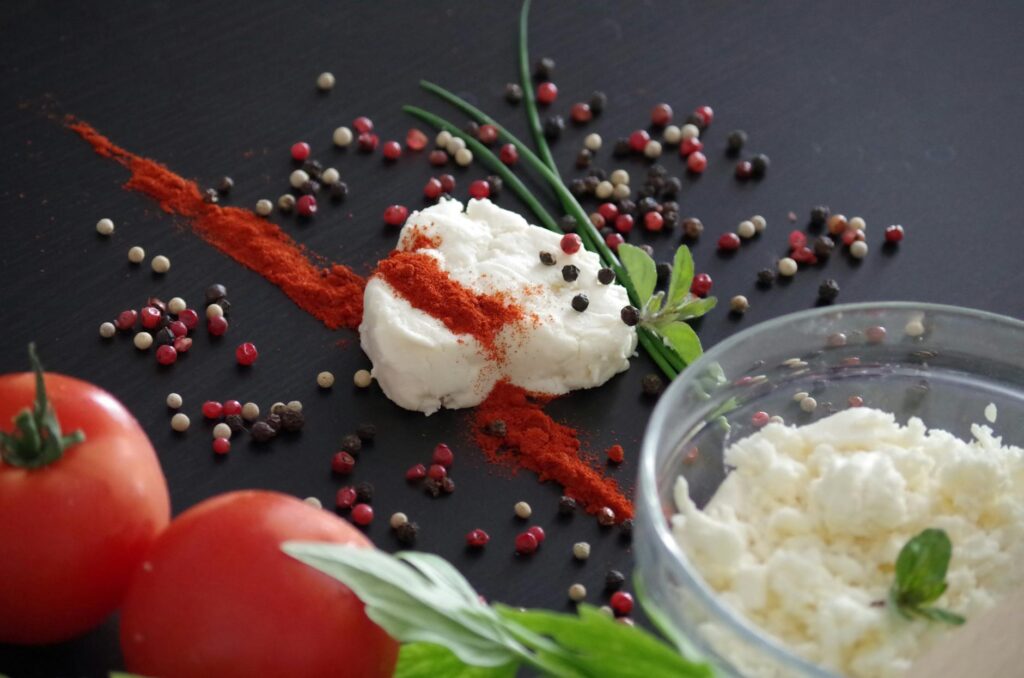
How Kefir Cheese Is Produced
Introduction
Kefir cheese is a unique and versatile dairy product that has gained popularity in recent years due to its distinct flavor, creamy texture, and potential health benefits. This article delves into the intricacies of kefir cheese production, exploring its history, processing methods, quality assessment, and practical applications. Understanding how this delightful cheese is made can enhance appreciation for its qualities and uses in culinary settings.
What Is Kefir Cheese?
Kefir cheese is a soft cheese derived from kefir, a fermented milk product created by the introduction of kefir grains. These grains are a symbiotic culture of bacteria and yeasts, which ferment the milk, resulting in a tangy, probiotic-rich beverage. The process of making kefir cheese involves straining the fermented kefir, which separates the liquid whey from the solid curds, yielding a creamy cheese with a distinct flavor profile. Kefir cheese can vary in texture from spreadable to crumbly, depending on the straining process and fermentation time.
History and Origins
The origins of kefir cheese can be traced back to the Caucasus Mountains, where it is believed to have been consumed for centuries. Kefir itself has a rich history, often associated with the nomadic peoples of the region who utilized the fermentation properties of milk to preserve it. The term “kefir” is derived from the Turkish word “keif,” meaning “good feeling,” which reflects the positive effects attributed to this fermented product.
As kefir spread beyond its geographic roots, it began to gain popularity in various cultures, adapting to local tastes and culinary practices. The production of kefir cheese emerged as a natural extension of this process, providing a means to further utilize the by-products of kefir fermentation. Today, kefir cheese is enjoyed worldwide, celebrated for its unique taste and nutritional profile.
Production and Processing
The production of kefir cheese involves several key stages, each crucial to achieving the final product’s desired qualities:
1. Milk Selection
The process begins with the selection of milk, which can be sourced from cows, goats, sheep, or even plant-based alternatives. The choice of milk significantly affects the flavor, texture, and nutritional content of the resulting kefir cheese. Whole milk is commonly used due to its higher fat content, which contributes to creaminess.
2. Fermentation
Once the milk is chosen, it is inoculated with kefir grains. These grains contain a variety of bacteria and yeasts, which ferment the lactose in the milk, producing lactic acid and carbon dioxide. The fermentation process typically lasts from 12 to 48 hours, depending on the desired flavor and acidity level.
During fermentation, the milk thickens and develops a tangy flavor. The temperature and time can be adjusted based on the specific characteristics desired in the final product.
3. Separation of Curds and Whey
After fermentation, the kefir is ready to be strained. This step involves pouring the mixture through a fine mesh sieve or cheesecloth to separate the curds from the whey. The curds that remain are the basis for kefir cheese, while the liquid whey can be used in various culinary applications, including in smoothies or as a baking ingredient.
4. Further Processing
The curds can undergo additional processing to enhance flavor and texture. For instance, they can be blended to achieve a smoother consistency or mixed with various herbs and spices for added flavor. The consistency can also be adjusted by altering the straining time; a shorter time yields a creamier cheese, while a longer time produces a firmer texture.
5. Packaging
Once the desired texture and flavor are achieved, the kefir cheese is typically packaged for sale or storage. It can be stored in airtight containers to maintain freshness. Some producers may choose to pasteurize the cheese post-production to extend its shelf life, although this can alter the flavor profile and probiotic content.
Quality and Grading
The quality of kefir cheese is influenced by several factors, including the quality of the milk used, fermentation conditions, and processing techniques. Grading systems may vary by region, but common indicators of quality include:
- Flavor: High-quality kefir cheese should have a balanced tanginess without any off-flavors.
- Texture: The desired texture can range from creamy to crumbly, but it should be consistent and appealing.
- Appearance: The cheese should exhibit a uniform color without any discoloration or signs of spoilage.
- Aroma: A fresh, pleasant aroma without sour or rancid notes is indicative of quality.
Producers may also conduct laboratory tests to assess microbial content and ensure that the cheese meets food safety standards.
Buying Considerations
When purchasing kefir cheese, consumers should consider several factors to ensure they are selecting a high-quality product:
1. Source of Milk
Look for kefir cheese made from high-quality milk, preferably from grass-fed animals or organic sources. This can significantly impact the flavor and nutritional profile of the cheese.
2. Ingredients
Examine the ingredient list for any additives or preservatives. Authentic kefir cheese should primarily consist of milk and kefir cultures, without unnecessary fillers.
3. Texture and Consistency
Depending on your intended use, consider the texture of the cheese. Softer varieties are ideal for spreads, while firmer versions may be better for grating or crumbling.
4. Brand Reputation
Research brands known for their commitment to quality and traditional production methods. Artisan producers often prioritize quality over mass production.
5. Packaging
Ensure the cheese is packaged properly to maintain freshness. Avoid products with damaged or compromised packaging.
Uses and Applications
Kefir cheese is a versatile ingredient with a range of culinary applications. Its unique flavor and creamy texture make it suitable for various dishes: