
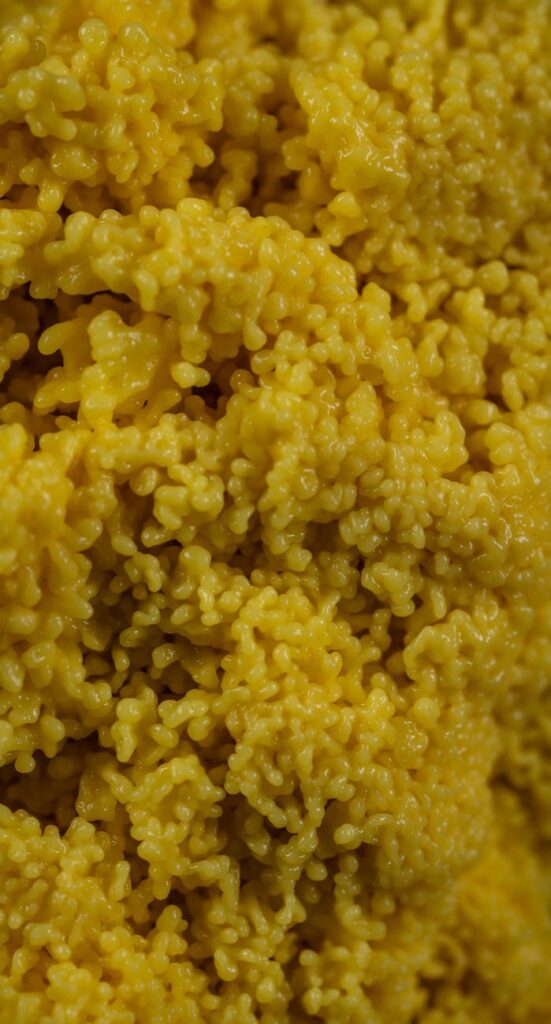
How Kefir Grains Is Farmed Commercially
Introduction
Kefir grains are a unique symbiotic culture of bacteria and yeasts (SCOBY) that have garnered attention for their probiotic properties and culinary versatility. While kefir itself has been consumed for centuries, the commercial farming of kefir grains has evolved into a sophisticated enterprise that meets the rising demand for fermented foods. This article delves into the intricacies of how kefir grains are cultivated, processed, and marketed, offering a comprehensive understanding of this vital ingredient in the global food landscape.
What Is Growing?
In the context of kefir grains, “growing” refers to the cultivation and multiplication of these grains in controlled environments to ensure their quality, potency, and sustainability. This process involves the careful management of conditions such as temperature, humidity, and nutrient supply. The primary objective is to produce a consistent product that meets the standards required for commercial distribution.
Growing kefir grains is not merely a matter of placing them in milk; it requires a nuanced understanding of the microbiological interactions that occur within the grains. The grains themselves are gelatinous structures composed of polysaccharides, proteins, and various microorganisms. When introduced to a suitable medium, typically milk, these grains ferment the lactose, resulting in the tangy, effervescent drink known as kefir.
History and Origins
The origins of kefir date back several centuries, with roots traced to the Caucasus region. Traditionally, kefir was made using animal milk and fermented in leather bags, a process that naturally selected specific strains of bacteria and yeasts suited to the local environment. These early practices established the foundation for what would become known as kefir grains.
Over time, kefir spread through Eastern Europe and into Russia, where it gained popularity for its cultural significance and perceived health benefits. The unique structure of kefir grains allows them to be reused indefinitely, making them an economical choice for home fermenters. In recent decades, the rise of health consciousness and interest in probiotics has catalyzed the commercial farming of kefir grains, leading to innovations in cultivation and processing.
Production and Processing
Commercial production of kefir grains involves several stages, beginning with the initial cultivation of the grains. The process typically includes the following steps:
1. Inoculation: High-quality kefir grains are selected and introduced into a nutrient-rich environment, usually whole milk. The milk must be pasteurized to eliminate unwanted bacteria, ensuring that the kefir grains can thrive without competition.
2. Fermentation: The inoculated milk is kept in a controlled environment at optimal temperatures, typically between 20°C to 30°C (68°F to 86°F). During this fermentation period, which lasts 12 to 48 hours, the grains metabolize lactose into lactic acid, carbon dioxide, and ethanol, creating the characteristic tangy flavor and creamy texture of kefir.
3. Harvesting: Once fermentation is complete, the kefir is separated from the grains through straining. The grains are then washed and can be reused for subsequent batches, allowing for a continuous cycle of production.
4. Quality Control: Rigorous quality control measures are implemented at every stage to ensure the safety and consistency of the product. This includes microbiological testing to confirm the presence of beneficial bacteria and yeasts, as well as sensory evaluations to assess flavor and texture.
5. Packaging: The final kefir product is packaged in various formats, such as bottles for liquid kefir or freeze-dried forms for the grains themselves. These packaging methods are designed to preserve the viability of the probiotics and extend shelf life.
Quality and Grading
The quality of kefir grains is paramount in commercial production. Several factors contribute to the grading of these grains, including:
- Microbial Diversity: High-quality kefir grains should contain a diverse range of beneficial bacteria and yeasts. This diversity is crucial for producing a well-balanced kefir with complex flavors and health benefits.
- Texture and Appearance: Fresh kefir grains should have a gelatinous, cauliflower-like appearance. Grains that are too dry or discolored may indicate a loss of vitality.
- Fermentation Efficiency: The ability of the grains to ferment milk quickly and effectively is a key quality indicator. Grains that consistently produce high-quality kefir in shorter fermentation times are preferred.
- Safety Standards: Compliance with food safety regulations is essential. This includes testing for pathogens and ensuring that the grains are free from contaminants.
- Beverage: Kefir is a popular drink enjoyed for its tangy flavor and probiotic content. It can be consumed plain or flavored with fruits, herbs, or spices.
- Dairy Products: Kefir can be used as a base for various dairy products, including cheese and smoothies, adding a creamy texture and unique flavor profile.
- Baked Goods: The tangy taste of kefir can enhance the flavor of bread and baked
Buying Considerations
When purchasing kefir grains or products made from them, several factors should be considered:
1. Source: Look for reputable suppliers who specialize in probiotic cultures. Transparency regarding the origin and cultivation methods of the grains is crucial.
2. Type of Milk Used: If purchasing liquid kefir, consider the type of milk used in production. Organic and grass-fed options may offer enhanced flavor and nutritional profiles.
3. Microbial Composition: Some brands provide detailed information about the strains of bacteria and yeasts in their kefir. This can be beneficial for those seeking specific health benefits or flavors.
4. Packaging and Shelf Life: Choose products that are packaged in a way that maintains freshness. Freeze-dried grains should be stored in airtight containers to ensure longevity.
Uses and Applications
Kefir grains and the resulting kefir product have a wide range of culinary and nutritional applications: