
How Kefir Lime Leaves Is Produced
Introduction
Kefir lime leaves, also known as Citrus hystrix, are a revered ingredient in Southeast Asian cuisine, celebrated for their aromatic qualities and unique flavor profile. These leaves are an integral component of various dishes, lending a distinctive citrusy aroma that enhances the overall sensory experience of food. This article delves into the production process of kefir lime leaves, exploring their history, processing methods, quality grading, and much more.
What Is About?
Kefir lime leaves are the dark green leaves of the kaffir lime tree, which is a small shrub native to tropical regions, particularly Southeast Asia. The leaves are characterized by their unique double-leaf structure, resembling two leaves fused together. The aroma of kefir lime leaves is bright, fresh, and slightly floral, making them an essential ingredient in many Thai, Malaysian, and Indonesian dishes. They are used in curries, soups, salads, and even beverages, imparting a depth of flavor that is hard to replicate with other ingredients.
History and Origins
The kaffir lime tree has a rich history that dates back centuries. Indigenous to Southeast Asia, it has been cultivated for its fruit, leaves, and essential oils. The term “kefir” is believed to have derived from the Arabic word “kaffir,” which refers to non-believers, but this etymology is contested and may simply relate to its unique profile.
Historically, the leaves were used in traditional medicine, culinary practices, and even for ceremonial purposes. Their significance in various cultures has remained strong, and they continue to be integral to the culinary traditions of countries such as Thailand, Indonesia, and Malaysia.
Production and Processing
Cultivation
Kefir lime trees thrive in warm, humid climates, requiring well-drained, slightly acidic soil. They are typically grown in home gardens and commercial farms alike. The cultivation process begins with the planting of seeds or seedlings in the appropriate soil conditions. The trees usually reach maturity within three to five years, at which point they start producing fruit and leaves.
Harvesting
The harvesting of kefir lime leaves is crucial for maintaining their aromatic properties. Leaves can be picked throughout the year, but it is essential to harvest them during the cooler parts of the day to preserve their freshness. Typically, the young, tender leaves are preferred as they possess a more pronounced flavor. Harvesters usually employ hand-picking methods to avoid damaging the plant.
Processing
Once harvested, the leaves are often subjected to a minimal processing routine to maintain their integrity. This may include:
1. Washing: Leaves are gently washed to remove any dirt or pests.
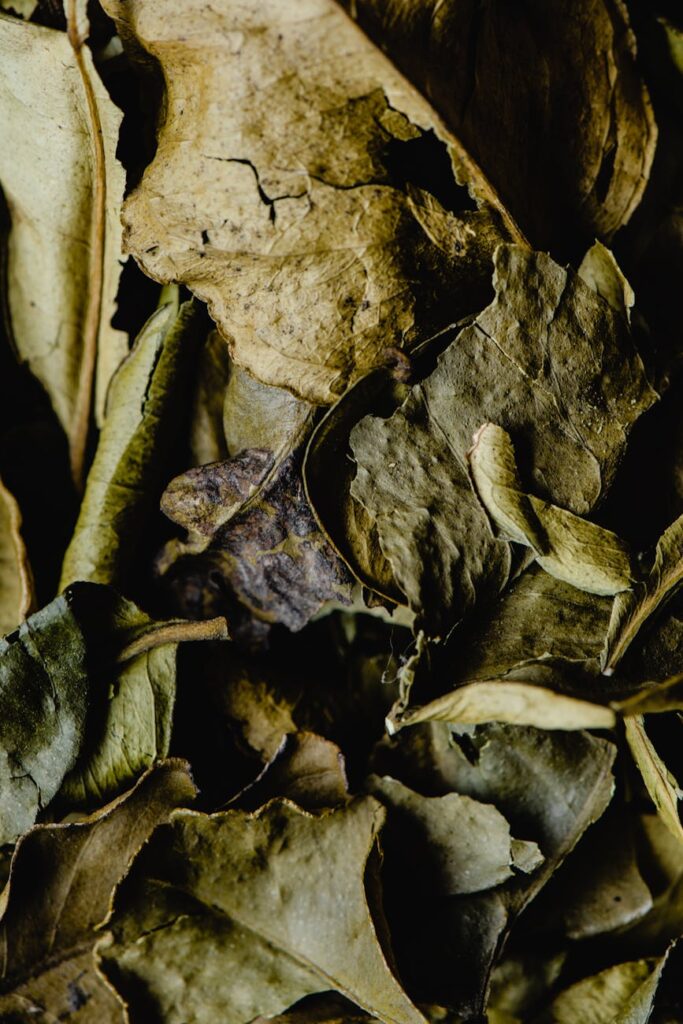
2. Drying: Depending on the intended use, the leaves may be used fresh or dried. For dried leaves, air-drying or low-temperature drying methods are employed to retain their essential oils and flavor compounds.
3. Packaging: Fresh leaves are typically packaged in breathable bags to prevent moisture accumulation, while dried leaves are sealed in airtight containers to preserve their aromatic properties.
Quality and Grading
The quality of kefir lime leaves can vary significantly based on several factors, including cultivation practices, harvesting methods, and processing techniques. Quality grading often takes into account:
1. Aroma: High-quality leaves should have a strong, fresh citrus scent.
2. Color: Leaves should be vibrant green, indicating freshness and optimal ripeness.
3. Texture: Fresh leaves should be pliable and resilient, while dried leaves should remain intact without excessive brittleness.
In commercial markets, kefir lime leaves are often graded based on these criteria, with higher grades fetching premium prices.
Buying Considerations
When purchasing kefir lime leaves, several factors should be considered:
1. Fresh vs. Dried: Decide whether you need fresh or dried leaves based on your culinary requirements. Fresh leaves are usually more aromatic, while dried leaves have a longer shelf life.
2. Source: Always buy from reputable suppliers or local markets known for their freshness and quality.
3. Appearance: Look for bright green leaves without any signs of browning or wilting. For dried leaves, check for intact packaging and a potent aroma.
4. Organic Certification: If possible, opt for organic kefir lime leaves to ensure they have been cultivated without harmful pesticides or chemicals.
Uses and Applications
Kefir lime leaves are incredibly versatile and find their way into a multitude of culinary applications:
- Culinary: Often used in Thai curries, soups like Tom Yum, salads, and stir-fries, the leaves impart a unique flavor that balances sweetness and acidity.
- Beverages: In some cultures, kefir lime leaves are infused in beverages, providing a refreshing citrus note.
- Marinades and Sauces: The leaves can be macerated into marinades for meats and seafood, enhancing their flavor profile.
- Refrigeration: Store in a breathable bag or wrapped in a damp paper towel inside a plastic bag in the refrigerator.
- Avoid Moisture: Excess moisture can lead to mold, so ensure that they are dry before storing.
- Airtight Containers: Keep in an airtight container in a cool, dark place.
- Avoid Heat and Light: Exposure to heat and light can degrade the aromatic compounds, diminishing their flavor over time.
Their aromatic properties make them an excellent addition to both savory and sweet dishes, though they are predominantly used in savory contexts.
Storage and Shelf Life
Fresh Kefir Lime Leaves
Fresh kefir lime leaves can last up to a week when stored correctly. To maximize freshness:
Dried Kefir Lime Leaves
Dried kefir lime leaves have a longer shelf life, typically lasting up to a year when stored properly. To maintain their flavor: