
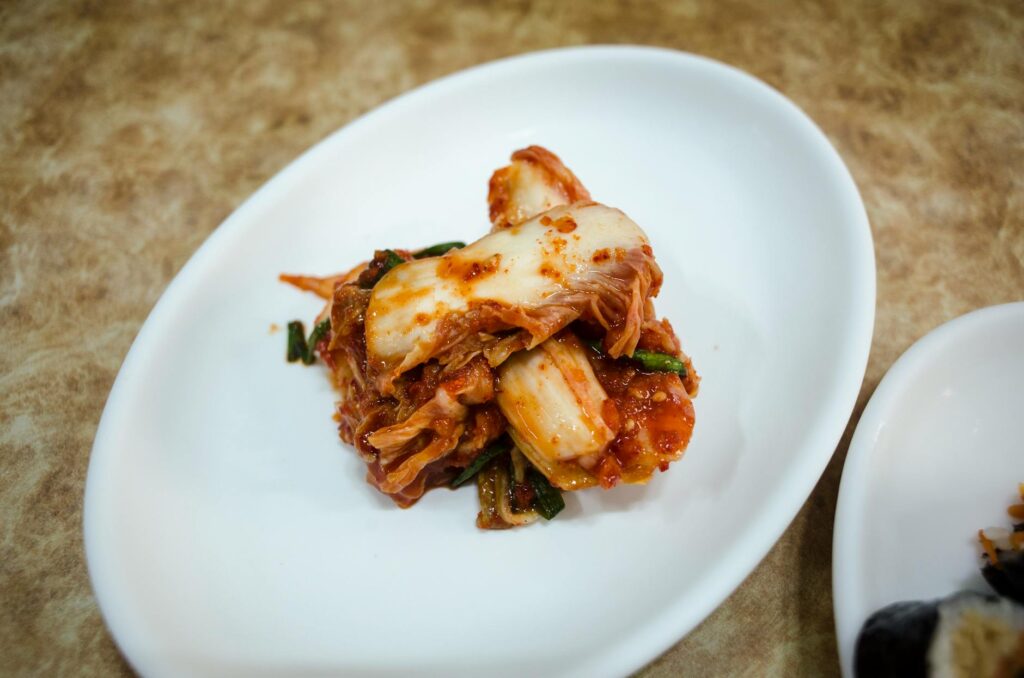
How Kimchi Is Produced
Introduction
Kimchi, a traditional Korean dish made primarily from fermented vegetables, has gained global recognition not only for its distinctive flavor but also for its nutritional benefits. It serves as a versatile ingredient that complements a variety of dishes and culinary styles. Understanding the production and processing of kimchi is essential for appreciating its complexity and significance in Korean culture and beyond. This article delves into the various aspects of kimchi production, from its historical roots to its current applications and storage considerations.
What Is Kimchi?
Kimchi is a fermented dish most commonly made from napa cabbage and radishes, flavored with a variety of seasonings such as chili pepper, garlic, ginger, and fish sauce. The fermentation process not only enhances the flavor but also creates beneficial probiotics, contributing to its status as a staple in Korean cuisine. Kimchi can be enjoyed on its own or used as a condiment or ingredient in numerous dishes, adding a unique tangy, spicy kick.
History and Origins
The origins of kimchi can be traced back to ancient Korea, with references appearing in texts as early as the 3rd century. Initially, kimchi was a simple dish made from salted vegetables, a method developed to preserve produce during harsh winters. Over the centuries, as trade routes expanded and new ingredients became available, the recipe evolved. The introduction of chili pepper in the late 16th century, after contact with the Americas, revolutionized kimchi, introducing the characteristic red color and heat that have come to define it.
Today, kimchi is recognized as a vital component of Korean identity and culture. It is often served at every meal and is considered a symbol of Korean hospitality. The dish has also garnered international interest, leading to various adaptations in different culinary contexts.
Production and Processing
Ingredient Selection
The production of kimchi begins with the careful selection of ingredients. Fresh, high-quality vegetables are essential for optimal taste and texture. Napa cabbage and radishes are the most common base ingredients, but other vegetables such as cucumbers, green onions, and even fruits can be used. The choice of seasoning is equally important, with traditional ingredients including Korean red pepper flakes (gochugaru), garlic, ginger, and fish sauce or fermented shrimp.
Preparation
1. Salting the Vegetables: The first step in making kimchi involves salting the vegetables to draw out moisture. This process helps to soften the vegetables and initiates the fermentation process. The salting can take several hours to overnight, depending on the recipe and desired texture.
2. Rinsing and Draining: Once sufficiently salted, the vegetables are rinsed to remove excess salt and then drained to prevent the kimchi from becoming overly salty.
3. Mixing the Seasoning Paste: The next step involves creating a seasoning paste from the selected spices and flavorings. This paste is thoroughly mixed with the drained vegetables to ensure an even distribution of flavors.
4. Packing and Fermentation: The seasoned vegetables are then packed tightly into jars or fermentation vessels. It is crucial to remove air pockets to prevent spoilage. The kimchi is left to ferment at room temperature for a period ranging from a few days to several weeks, depending on the desired sourness and complexity of flavor.
Fermentation
Fermentation is the heart of kimchi production. During this process, beneficial bacteria such as Lactobacillus proliferate, converting sugars into lactic acid. This not only preserves the vegetables but also contributes to the distinctive tangy flavor of kimchi. The length of fermentation can vary widely; shorter fermentation results in a fresher taste, while longer fermentation produces a more pronounced sourness.
Quality and Grading
The quality of kimchi is assessed based on several factors, including texture, flavor, aroma, and color. High-quality kimchi should have a balance of spice, sourness, and umami, with fresh vegetables that retain a satisfying crunch. Grading can also depend on the fermentation process; ideally, kimchi should be stored in a controlled environment, as temperature fluctuations can adversely affect its quality.
When purchasing kimchi, consumers should look for products that list fresh ingredients and minimal preservatives. Authentic artisan kimchi often showcases unique regional variations, influenced by local ingredients and methods.
Buying Considerations
When selecting kimchi, several factors should be taken into account:
1. Freshness: Look for products with a recent production date. Fresh kimchi will have a vibrant color and a pleasant, slightly sour aroma.
2. Ingredients: Ideally, opt for kimchi made from natural, high-quality ingredients without artificial preservatives or excessive additives.
3. Fermentation Level: Depending on personal preference, some may prefer a fresher, crisper kimchi, while others might enjoy the deep, sour flavors of well-fermented varieties.
4. Packaging: Glass jars or vacuum-sealed containers are preferable, as they can better preserve the flavor and texture of kimchi.
5. Source: Consider sourcing kimchi from local producers or specialty stores that focus on traditional methods and ingredients.
Uses and Applications
Kimchi is an incredibly versatile ingredient that can be used in a variety of culinary applications:
1. Side Dish: Traditionally served as a banchan (side dish) in Korean meals, kimchi adds a tangy crunch that complements a wide range of foods.
2. Cooking Ingredient: It can be incorporated into soups, stews, fried rice, and pancakes, enhancing dishes with its unique flavor profile.
3. Toppings: Kimchi can serve as a topping for burgers, tacos, and sandwiches, adding an exciting twist to familiar foods.
4. Fusion Dishes: The global popularity of kimchi has led to creative fusions, such as kimchi quesadillas or kimchi-infused pasta dishes.