
How Kohlrabi Is Produced
Introduction
Kohlrabi, a member of the Brassica family, is a unique and versatile vegetable that has garnered attention for its distinctive flavor and texture. Often described as a cross between cabbage and turnip, kohlrabi is not only a culinary delight but also a fascinating agricultural product. This article delves into the intricacies of kohlrabi production, exploring its history, cultivation, processing, and various applications.
What Is About?
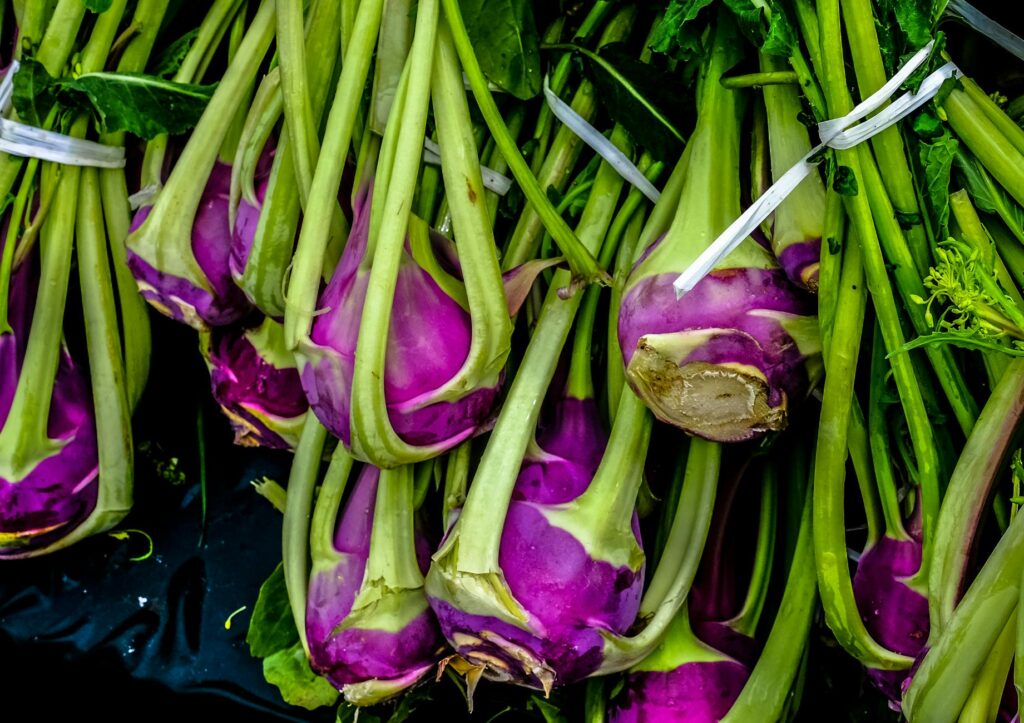
Kohlrabi, scientifically known as Brassica oleracea var. gongylodes, is characterized by its swollen stem, which can be green or purple. This bulbous stem provides a crunchy texture and mildly sweet flavor that makes it a popular ingredient in salads, slaws, and various cooked dishes. The leaves of kohlrabi are also edible and can be utilized in similar ways to kale. Its low-calorie count and high nutrient density make it a favorable choice among health-conscious consumers.
History and Origins
Kohlrabi’s origins can be traced back to Europe, where it has been cultivated since the Middle Ages. While the exact timeline remains unclear, records suggest that the vegetable was widely grown in Germany and other parts of Europe by the 16th century. The name “kohlrabi” derives from the German words “kohl,” meaning cabbage, and “rabi,” meaning turnip.
The vegetable soon spread to other regions, including Asia and North America, where it adapted to different growing conditions. Today, kohlrabi is cultivated across the globe, particularly in temperate climates, thanks to its resilience and adaptability.
Production and Processing
Cultivation
Kohlrabi is typically grown in cool seasons, thriving in temperatures ranging from 45°F to 75°F (7°C to 24°C). The planting process usually begins with seed sowing in well-drained, fertile soil rich in organic matter. Farmers commonly sow seeds directly into the soil or start them indoors before transplanting them outdoors.
Soil Preparation: Before planting, it is crucial to prepare the soil by incorporating organic matter, such as compost or well-rotted manure, to enhance fertility. The soil pH should ideally range between 6.0 and 7.0.
Sowing and Germination: Kohlrabi seeds are sown at a depth of 0.5 inches (1.25 cm) and spaced approximately 6 to 12 inches (15 to 30 cm) apart. Germination typically occurs within 7 to 14 days, depending on temperature and moisture conditions.
Growth Stages
As kohlrabi plants mature, they go through several growth stages:
1. Seedling Stage: Young plants develop their first leaves, known as cotyledons, and begin to establish their root systems.
2. Vegetative Stage: The plants grow rapidly, developing additional leaves and the characteristic bulbous stem. Proper watering and nutrient management are crucial during this phase to ensure healthy growth.
3. Maturation: The bulb begins to swell as it stores energy from photosynthesis. Harvesting usually occurs when the bulb reaches a diameter of 3 to 5 inches (7.5 to 12.5 cm), typically 50 to 70 days after sowing.
Harvesting
Harvesting kohlrabi requires careful timing to achieve optimal flavor and texture. Farmers often harvest the bulbs when they are still young and tender. The process involves cutting the stem just above the bulb, allowing for minimal damage to the plant. If the bulbs are left in the ground too long, they can become woody and less palatable.
Quality and Grading
Quality control is essential during kohlrabi production. Factors such as firmness, size, color, and absence of blemishes determine the grading of kohlrabi. Higher-quality kohlrabi will have a smooth, unblemished surface and a firm texture.
Grading Standards
Kohlrabi is typically graded into several categories:
- Grade A: Premium quality with no blemishes, uniform size, and a firm texture.
- Grade B: Acceptable quality with minor blemishes but still suitable for consumption.
- Grade C: Lower quality, often used for processing or cooking purposes where appearance is less critical.
- Raw: Sliced or shredded in salads for a crunchy texture.
- Cooked: Steamed or roasted as a side dish or incorporated into stir-fries.
- Pickled: Preserved in vinegar to create tangy snacks or condiments.
Proper grading not only ensures consumer satisfaction but also plays a crucial role in marketability and pricing.
Buying Considerations
When purchasing kohlrabi, consumers should consider several aspects to ensure they select high-quality specimens:
1. Appearance: Look for firm, smooth bulbs with a vibrant color—either green or purple. Avoid those with soft spots or discoloration.
2. Size: Smaller kohlrabi tend to be more tender and flavorful. Aim for bulbs around 3 to 5 inches (7.5 to 12.5 cm) in diameter.
3. Leaves: Fresh, green leaves indicate a recently harvested vegetable. Wilted or yellowing leaves may signal age or poor storage conditions.
4. Organic vs. Conventional: Consider whether to choose organic kohlrabi, which may have fewer pesticides and chemical fertilizers.
5. Seasonality: Kohlrabi is typically in season during the cooler months, so sourcing during this time can help ensure freshness.
Uses and Applications
Kohlrabi’s versatility extends to various culinary applications. It can be consumed raw, steamed, boiled, or roasted. The bulb can be shredded for salads or slaws, while the leaves can be sautéed or used in soups.
Culinary Uses
Nutritional Benefits
K