
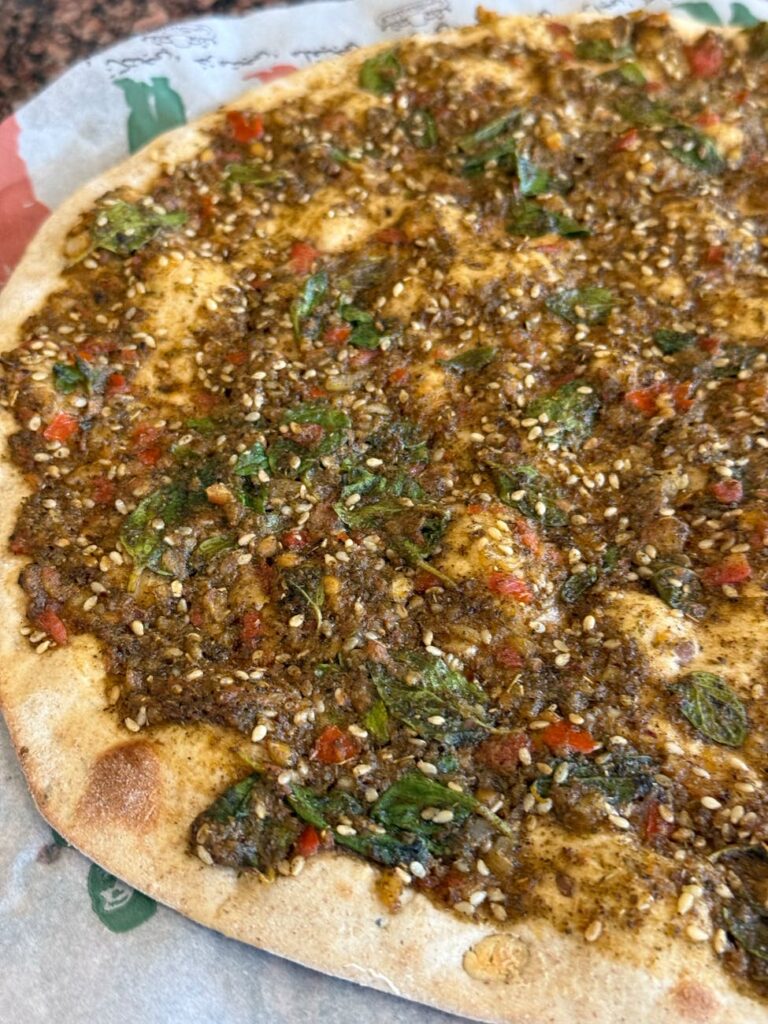
How Lebanese Bread Is Produced
Introduction
Lebanese bread, often referred to as pita or khubz, is a staple food in Lebanon and the surrounding Middle Eastern region. Renowned for its unique texture and versatility, this flatbread serves as a foundation for many traditional dishes. This article delves into the intricate process of producing Lebanese bread, exploring its history, production techniques, quality grading, and various applications within the culinary landscape.
What Is Lebanese Bread?
Lebanese bread is a round, flat piece of bread made primarily from wheat flour, water, yeast, and salt. Its characteristic pocket, formed during the baking process, allows it to be filled with a variety of ingredients, making it an essential component in countless meals. The bread is often enjoyed as a side dish, a wrap, or even as a utensil for scooping up dips and spreads.
History and Origins
The origins of Lebanese bread can be traced back thousands of years to ancient civilizations in the Fertile Crescent, an area that includes modern-day Lebanon. Archaeological evidence suggests that flatbreads were consumed as early as 14,000 BCE. The art of bread-making evolved over centuries, with distinct regional variations emerging.
The Lebanese variant of pita bread is shaped by influences from various cultures, including the Phoenicians, Greeks, and Ottomans. The introduction of leavening agents, such as yeast, marked a significant advancement in bread-making, allowing for the creation of the light, airy pockets characteristic of modern Lebanese bread.
Production and Processing
Ingredients
The primary ingredients for Lebanese bread include:
- Wheat Flour: Typically, high-gluten flour is employed to provide the necessary protein content for elasticity and structure.
- Water: Vital for hydration, water activates gluten and aids in the fermentation process.
- Yeast: This leavening agent is crucial for creating the bread’s airy texture.
- Salt: Besides flavoring, salt plays a role in controlling yeast activity.
- Wraps: It serves as an excellent wrap for meats, vegetables, and spreads, providing a flavorful and textural contrast.
- Dips: Often used for scooping up popular dips like hummus and baba ghanoush, Lebanese bread enhances the overall dining experience.
- Sandwiches: Stuffed with falafel, shawarma, or grilled vegetables, it transforms into a satisfying meal.
- Accompaniments: Served alongside soups and stews, Lebanese bread acts as a natural utensil, allowing diners to enjoy every bit of the dish.
- At Room Temperature: Keep bread in a breadbox or wrap it in a clean kitchen towel to allow for airflow while preventing it from drying out. It typically lasts 2 to 3 days.
- Freezing:
Dough Preparation
1. Mixing: The ingredients are combined to form a dough. This initial step can be performed manually or using industrial mixers in commercial settings.
2. Kneading: The dough is kneaded to develop gluten, which gives the bread its chewy texture.
3. Fermentation: The kneaded dough is left to ferment for a specific period, allowing the yeast to produce carbon dioxide. This process not only leavens the dough but also develops flavor.
Shaping and Proofing
After fermentation, the dough is divided into smaller pieces, typically weighing around 200 grams each. These pieces are then shaped into rounds and left to proof. Proofing is essential for allowing the dough to rise further, enhancing its texture.
Baking
The most critical stage in the production of Lebanese bread is baking. Traditionally, this is done in a tabun (a clay oven), which reaches high temperatures. The intense heat causes the water in the dough to vaporize rapidly, creating steam that forms the characteristic pocket.
In commercial settings, conveyor ovens are often used, providing a consistent baking environment. The bread is baked for approximately 2 to 5 minutes, depending on the oven type and temperature.
Cooling
Once baked, the bread is removed from the oven and allowed to cool on racks. This cooling process prevents the bread from becoming soggy and helps maintain its texture.
Quality and Grading
Quality assessment of Lebanese bread encompasses various factors, including texture, flavor, appearance, and freshness.
1. Texture: A well-produced Lebanese bread should be soft yet have a slightly chewy quality. The presence of a distinct pocket indicates proper fermentation and baking.
2. Flavor: The bread should have a mild, slightly nutty flavor, indicative of high-quality flour and proper fermentation.
3. Appearance: Ideal Lebanese bread is golden-brown with a uniform thickness. Breads that are too thick or too thin may indicate poor production methods.
4. Freshness: Freshly baked bread is essential for the best flavor and texture. Quality assessments often emphasize the importance of consuming or selling bread within a short time after baking.
Buying Considerations
When purchasing Lebanese bread, consider the following factors:
1. Source: Opt for bread from reputable bakeries or markets known for their traditional methods. Artisan bakeries often produce higher-quality bread compared to mass-produced options.
2. Ingredients: Check labels for quality ingredients. Authentic Lebanese bread should contain no preservatives or artificial additives.
3. Texture: Fresh bread should feel soft and pliable. Avoid bread that appears dry or hard, as this indicates that it may have been stored improperly.
4. Storage: Consider how the bread is packaged. Vacuum-sealed options may retain freshness longer than those in open packaging.
Uses and Applications
Lebanese bread holds a prominent place in Middle Eastern cuisine, with various uses, including:
Storage and Shelf Life
To maintain the freshness of Lebanese bread, proper storage is essential: