
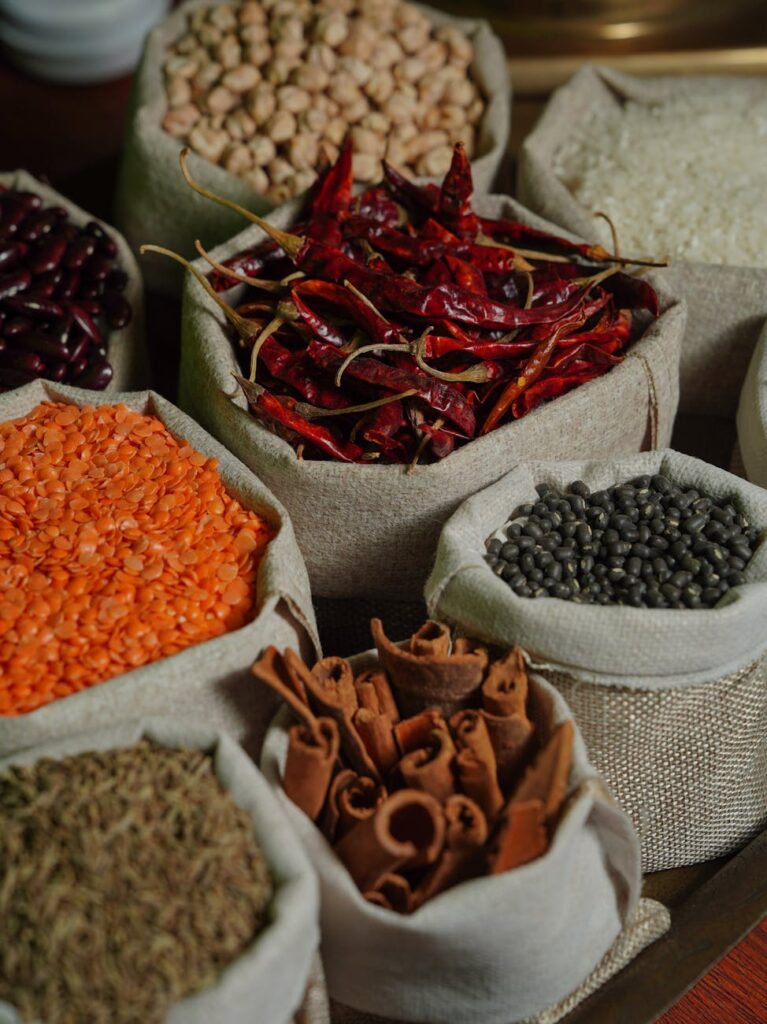
How Lentils Are Produced
Introduction
Lentils are a staple legume, revered not only for their nutritional value but also for their versatility and ease of preparation. They have been cultivated for thousands of years, making them one of the oldest agricultural crops known to humanity. In this article, we will delve into the intricate process of lentil production, exploring their history, cultivation methods, processing techniques, and more.
What Is About?
Lentils (Lens culinaris) are small, lens-shaped pulses belonging to the legume family. They are available in various colors, including green, brown, red, yellow, and black, each offering distinct flavors and culinary uses. Rich in protein, fiber, and essential nutrients, lentils are a vital component of diets worldwide, especially in vegetarian and vegan cuisines.
History and Origins
Lentils are one of the earliest domesticated crops, with archaeological evidence suggesting their cultivation dates back to around 8000-6000 BCE in the Near East. They were among the first crops to be sown by early farmers, primarily in regions that now encompass modern-day Turkey, Syria, and Lebanon. Lentils quickly spread throughout the Mediterranean, becoming a staple food in ancient civilizations such as the Egyptians, Greeks, and Romans.
The cultivation of lentils continued to evolve, with various cultivars being developed over the centuries. By the Middle Ages, they had gained popularity in Europe, while in Asia, lentils became integral to culinary traditions in India and the Middle East. Today, lentils are cultivated in many parts of the world, with Canada, India, Turkey, and Australia being among the largest producers.
Production and Processing
Cultivation
Lentils thrive in temperate climates with well-drained soil. They are typically grown as a cool-season crop, with planting occurring in early spring and harvesting in late summer or early fall. The following steps outline the general process of lentil cultivation:
1. Soil Preparation: Farmers begin by preparing the soil through tillage, which helps to aerate the earth and control weeds. Lentils prefer loamy soil rich in organic matter but can tolerate a range of soil types.
2. Sowing: Lentils are usually sown directly into the soil using a seed drill, ensuring even distribution and optimal planting depth. The seeds are planted at a spacing of about 1-2 inches apart, with rows spaced approximately 6-12 inches apart.
3. Watering and Fertilization: Lentils require moderate watering, as excessive moisture can lead to disease. Farmers often rely on rainfall, but supplementary irrigation may be necessary in drier regions. Fertilizers are generally not required, as lentils are nitrogen-fixing plants, enriching the soil naturally.
4. Pest and Disease Management: Integrated pest management strategies are typically employed to control common pests like aphids and diseases such as root rot. Crop rotation and intercropping with other plants can help minimize pest infestations.
5. Harvesting: Once lentils reach maturity, they turn a golden color, and the pods dry out. Harvesting is often done using combines, which separate the seeds from the pods. Timing is crucial; harvesting too early can result in lower yields, while late harvesting may lead to shattering of the pods.
Processing
Post-harvest, lentils undergo several processing stages to prepare them for consumption:
1. Cleaning: After harvesting, lentils are cleaned to remove debris, stones, and damaged seeds. This is typically done using air and mechanical sieves.
2. Sorting and Grading: Lentils are sorted by size, color, and quality. This process ensures uniformity and is crucial for meeting market standards.
3. Packaging: The sorted lentils are packaged in bulk or retail bags, often labeled with information regarding their origin, variety, and nutritional content.
4. Storage: Proper storage is essential for maintaining lentil quality. They should be kept in a cool, dry place, away from moisture and pests.
Quality and Grading
The quality of lentils is determined by several factors, including size, color, and the presence of defects. Grading systems vary by country but generally categorize lentils into different classes based on these characteristics. Common quality grades include:
- Grade 1: High-quality lentils with minimal defects and even color.
- Grade 2: Acceptable quality, with slight defects or color variation.
- Grade 3: Lower quality, with significant defects or damage.
- Variety: Choose the type of lentil based on culinary needs. For instance, red lentils cook quickly and are ideal for soups, while green and brown varieties hold their shape well in salads and side dishes.
- Packaging: Opt for lentils packaged in airtight containers to ensure freshness. Bulk purchases can be economical but should be stored properly to avoid spoilage.
- Origin: Understanding the source of lentils can provide insights into their quality. Some regions are known for producing superior lentils due to specific growing conditions.
- Organic vs. Conventional: Organic lentils are grown without synthetic pesticides or fertilizers, appealing to consumers who prioritize organic farming practices.
- Soups and Stews: Their ability to absorb flavors makes lentils a popular ingredient in hearty soups and stews.
- Salads: Cooked lentils can be added to salads for added protein and texture.
- Dals and Curries: In Indian cuisine, lent
Consumers should look for lentils that are uniform in size and color, with no signs of spoilage or infestation.
Buying Considerations
When purchasing lentils, there are several factors to consider:
Uses and Applications
Lentils are incredibly versatile and can be used in a wide range of culinary applications: