
How Miso Butter Is Produced
Introduction
Miso butter is an innovative fusion ingredient that marries the umami-rich flavors of traditional miso paste with the creamy texture of butter. This unique combination has gained popularity in culinary circles, allowing chefs and home cooks alike to explore new dimensions of flavor in both savory and sweet dishes. In this article, we will delve into the intricacies of miso butter, from its historical roots to its production methods, and explore how to incorporate it into various culinary applications.
What Is Miso Butter?
Miso butter is a condiment made by blending miso paste—a fermented soybean product—with butter. The result is a rich, savory spread that carries the umami notes characteristic of miso. Miso itself comes in various types, including white (shiro), red (aka), and mixed (awase), each offering distinct flavors and intensities. The choice of miso significantly influences the final product, making miso butter versatile enough to complement a wide range of dishes.
History and Origins
The roots of miso can be traced back over a thousand years to ancient China, where it was first used as a preservation method. The technique eventually made its way to Japan, where it evolved into a staple ingredient. Miso became integral to Japanese cuisine, often served in soups, marinades, and sauces. The concept of miso butter emerged more recently, likely as Western culinary practices began to incorporate Japanese ingredients and flavors.
The fusion of miso and butter reflects the global culinary trend of blending traditional methods with modern tastes. This blend not only elevates the flavor profile of butter but also introduces an element of complexity that appeals to contemporary palates.
Production and Processing
Ingredients
The primary ingredients in miso butter are miso paste and butter. While the base formula is straightforward, variations can include additives such as garlic, herbs, or spices to enhance the flavor profile.
Miso Paste Production
Miso paste is produced through a fermentation process that involves the following steps:
1. Soybean Preparation: Soybeans are soaked in water and then steamed or boiled until tender.
2. Inoculation: The cooked soybeans are mixed with a specific type of mold known as Aspergillus oryzae, along with salt and sometimes other grains like rice or barley. This mixture is known as koji.
3. Fermentation: The koji is allowed to ferment for a period ranging from several months to several years. During this time, enzymes break down the soybeans, resulting in a complex flavor profile.
4. Maturation: Once fermentation is complete, the miso is blended, and any remaining solids are filtered out. The resulting paste is then either packaged for sale or aged further for deeper flavors.
Butter Preparation
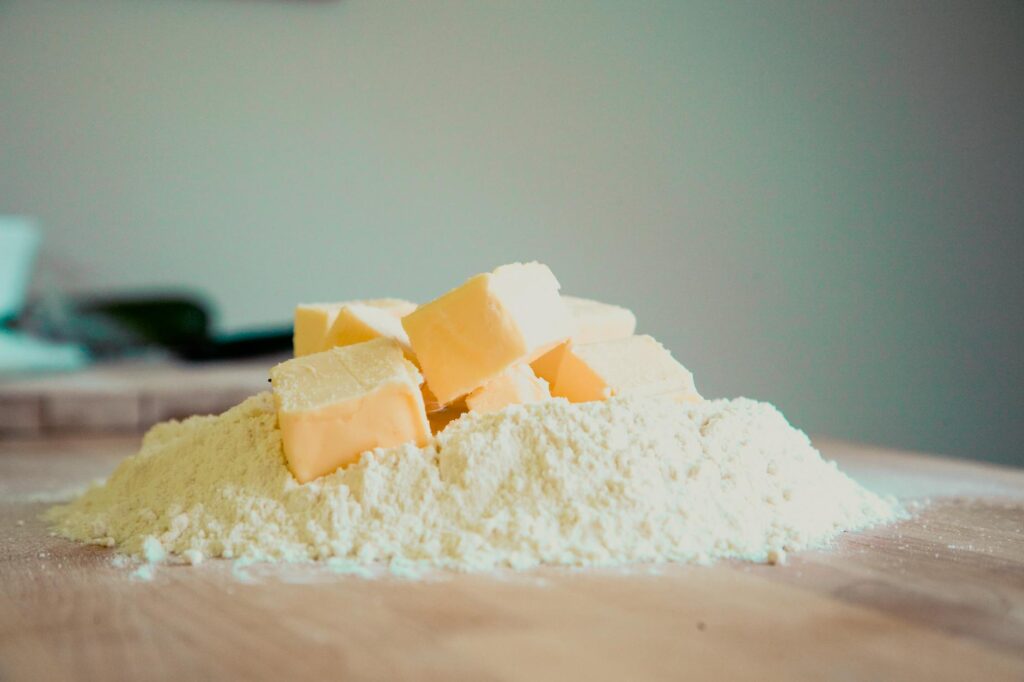
Butter is typically made from cream that has been churned to separate the butterfat from the buttermilk. The quality of the butter used in miso butter is crucial, as it directly affects the texture and flavor. European-style butter, which has a higher fat content, is often preferred for its richness.
Combining the Ingredients
The production of miso butter involves carefully blending the prepared miso paste with softened butter. The proportions can vary based on desired flavor intensity and texture. The mixture is then thoroughly combined until smooth, ensuring even distribution of the miso throughout the butter.
Quality and Grading
The quality of miso butter can be influenced by several factors, including the quality of the miso and butter used, as well as the production methods.
Miso Quality
Miso is typically classified by color and flavor intensity:
- White Miso (Shiro): Milder and sweeter, ideal for lighter applications.
- Red Miso (Aka): Richer and more robust, suitable for stronger flavors.
- Mixed Miso (Awase): A blend of both, offering a balanced flavor profile.
- Spread: Use as a flavorful spread on bread, crackers, or toast.
- Sauces: Incorporate into sauces for meats or vegetables to add depth and umami.
- Marinades: Use in marinades for grilled meats, offering a savory coating that enhances flavor.
- Cooking Fat: Substitute in place of regular butter when sautéing vegetables or proteins.
- Dressings: Whisk into salad dressings for a savory twist.
- Condiment: Serve alongside seafood or grilled meats as a dipping sauce.
Butter Quality
When selecting butter for miso butter, look for high-fat, unsalted options. European-style butter is often preferred for its creamy texture. The freshness of both the miso and butter is critical, as older products can impact the taste and quality of the final product.
Grading
While there are no strict grading systems for miso butter, the quality of both the miso and butter will ultimately determine the taste and texture. Consumers should seek out reputable brands that prioritize high-quality ingredients.
Buying Considerations
When purchasing miso butter, there are several factors to consider:
1. Ingredients: Check for minimal additives. The best miso butters should contain only miso, butter, and possibly natural flavorings.
2. Miso Type: Choose based on the flavor profile you desire. Different miso types can drastically change the taste.
3. Butter Quality: Look for high-fat, unsalted butter for the best results.
4. Packaging: Miso butter should be stored in airtight containers to maintain freshness. Look for products that are well-packaged to prevent oxidation.
5. Local vs. Imported: Some artisanal brands produce miso butter using locally sourced ingredients, offering unique flavor profiles that might appeal more to certain palates.
Uses and Applications
Miso butter is a versatile ingredient that can be employed in various culinary applications:
The adaptability of miso butter