
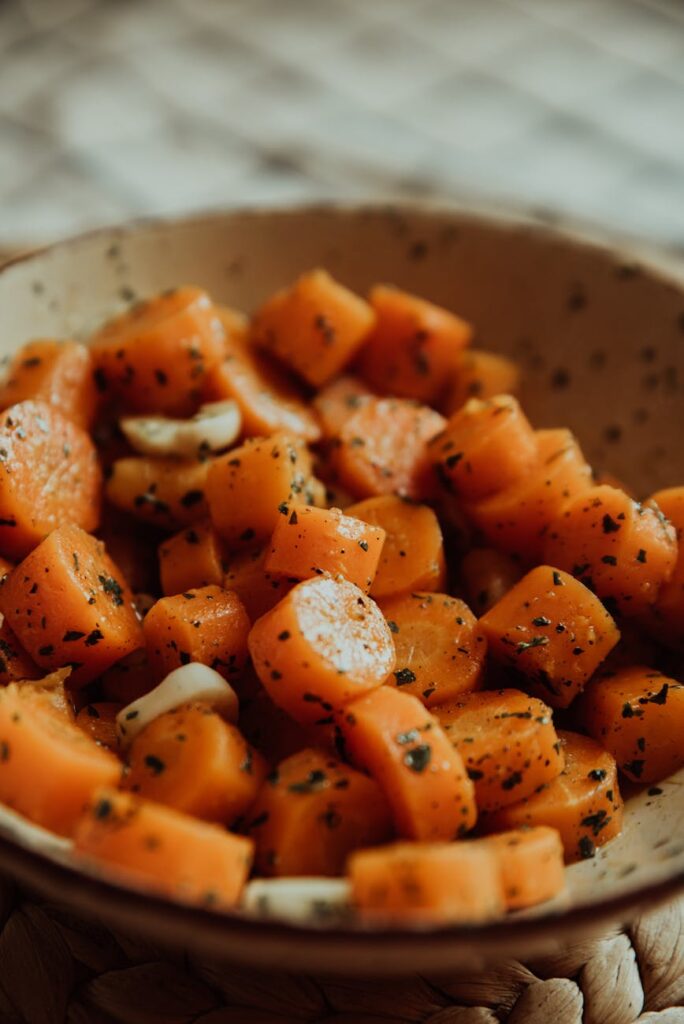
How Miso Marinated Carrots Is Produced
Introduction
Miso marinated carrots are an exquisite example of culinary creativity that combines the umami richness of miso with the natural sweetness and crunch of carrots. This harmonious blend not only enhances the flavor profile of the carrots but also adds nutritional depth to a variety of dishes. In this article, we will explore the production process, historical context, storage considerations, and practical applications of miso marinated carrots.
What Is About?
Miso marinated carrots are typically made by soaking fresh carrots in a marinade composed of miso paste, which is a fermented soybean product, along with other ingredients such as vinegar, sugar, or spices. The process of marination allows the carrots to absorb the complex flavors of the miso, resulting in a dish that is both savory and subtly sweet. This preparation is often used as a side dish, garnish, or even as a component in salads and bowls.
History and Origins
The roots of miso can be traced back over a thousand years to ancient China, where it was originally developed as a method of preserving food. Miso made its way to Japan, where it evolved into a staple ingredient in Japanese cuisine. The concept of marinating vegetables, including carrots, in miso emerged from the tradition of using miso to enhance and preserve the flavors of various ingredients.
Carrots, being a versatile vegetable, have been utilized in numerous cuisines around the world. The practice of combining carrots with miso likely developed as a result of the Japanese appreciation for umami flavors and the health benefits associated with fermented foods. Today, miso marinated carrots are celebrated not only in Japanese cuisine but also in modern fusion dishes across the globe.
Production and Processing
The production of miso marinated carrots involves several key steps that ensure the final product is both flavorful and safe for consumption.
Selection of Ingredients
1. Carrots: Fresh, high-quality carrots are essential. They should be firm and vibrant in color, indicating freshness. Organic carrots are often preferred for their flavor and lack of pesticides.
2. Miso: There are several types of miso, including white (shiro), red (aka), and mixed. The choice of miso affects the flavor profile, with white miso being sweeter and red miso offering a more robust taste.
3. Additional Ingredients: Depending on the recipe, other components such as rice vinegar, sesame oil, or ginger may be added to enhance the flavor.
Preparation Steps
1. Washing and Cutting: The carrots are washed thoroughly to remove any dirt or residues. Depending on the desired presentation, they can be cut into sticks, rounds, or even julienned.
2. Marinade Preparation: The marinade is created by mixing miso paste with any additional ingredients. This mixture should be well-blended to ensure an even distribution of flavors.
3. Marination: The prepared carrots are then submerged in the miso marinade, either in a container or a vacuum-sealed bag. The marination time can vary from a few hours to several days, depending on the desired intensity of flavor.
4. Fermentation Process: If left for an extended period, the miso can continue to ferment the carrots, developing deeper flavors and enhancing their nutritional benefits.
Final Steps
After marination, the carrots can be served immediately or stored for later use. The marinated carrots can be enjoyed fresh, sautéed, or used as a garnish in various dishes.
Quality and Grading
The quality of miso marinated carrots is largely determined by the quality of the individual ingredients used in the process. Here are some factors that contribute to the overall quality:
1. Freshness of Carrots: Fresh, organic carrots are ideal as they offer the best flavor and texture.
2. Quality of Miso: High-quality miso should have a rich aroma and a balanced flavor profile. Artisan misos, which are often made using traditional methods, are usually preferred for their complex flavors.
3. Marination Technique: The method of marination, including the duration and temperature, can significantly impact the flavor and texture of the finished product.
4. Packaging and Presentation: For commercial products, attractive and functional packaging can indicate quality, as it suggests careful attention to detail during production.
Buying Considerations
When purchasing miso marinated carrots, consumers should consider the following:
1. Ingredient List: Always check the ingredient list for any additives or preservatives that may be present. Ideally, the product should have a short list of natural ingredients.
2. Type of Miso: Different types of miso will lend different flavors. Understanding the type of miso used can help in selecting a product that aligns with personal taste preferences.
3. Storage Conditions: If buying fresh miso marinated carrots, ensure they are kept refrigerated. Check the expiration date and look for signs of spoilage.
4. Brand Reputation: Consider purchasing from brands known for high-quality, artisanal products, as they are more likely to prioritize ingredient quality and traditional production methods.
Uses and Applications
Miso marinated carrots are incredibly versatile, making them suitable for a range of culinary applications:
1. Side Dishes: They can serve as a flavorful side dish to accompany meats, fish, or grains.
2. Salads: Chopped miso marinated carrots can add crunch and umami to salads, enhancing both flavor and texture.
3. Bowls: They make an excellent addition to grain bowls, providing vibrant color and nutritional value.
4. Garnish: Miso marinated carrots can be used as a garnish for soups, tacos, or sandwiches, adding a unique flavor twist.
5. Appetizers: Served with a dip or