
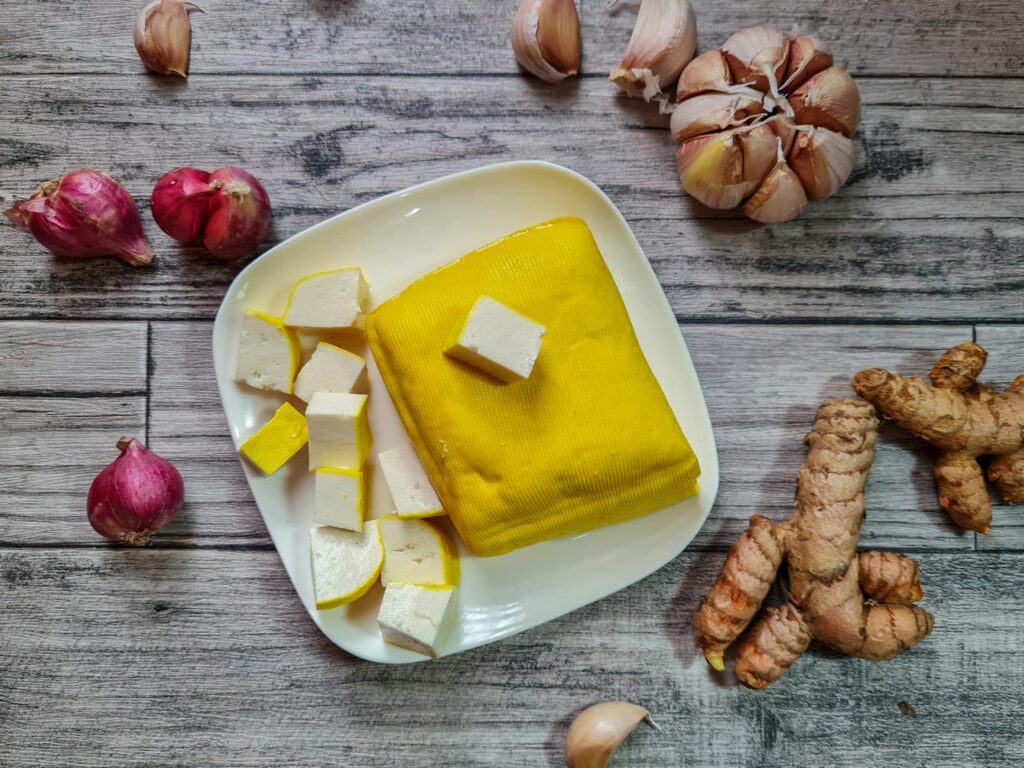
How Miso-marinated Tofu Is Produced
Introduction
Miso-marinated tofu is a delightful culinary ingredient that combines the rich umami flavors of miso with the versatile nature of tofu. This harmonious fusion not only enhances the taste and texture of tofu but also elevates dishes across various cuisines. This article delves deep into the production process of miso-marinated tofu, examining its historical roots, methods of production, quality considerations, and much more.
What Is Miso-marinated Tofu?
Miso-marinated tofu is a product made by soaking tofu in a mixture of miso paste, which is a fermented soybean product, along with other ingredients such as sake, mirin, or sugar. The process imbues the tofu with a complex flavor profile that can range from sweet to savory, depending on the type of miso used. This marinated tofu can be grilled, baked, or sautéed, serving as a flavorful protein source in various dishes.
History and Origins
The history of miso dates back over a thousand years, with origins in ancient China before making its way to Japan, where it became an essential element of Japanese cuisine. Miso itself is created through a fermentation process involving soybeans, salt, and a culture known as koji, which is derived from the Aspergillus oryzae mold. The art of miso-making has been refined over generations, leading to different regional varieties in Japan.
Tofu, on the other hand, traces its roots back to ancient China, where it was first recorded in texts dating as far back as the Han Dynasty (206 BC – 220 AD). Tofu’s introduction to Japan occurred in the 8th century, and it quickly became a staple in Japanese cooking. The combination of miso and tofu emerged as a popular culinary practice, especially in vegetarian and Buddhist diets, leading to the creation of miso-marinated tofu.
Production and Processing
1. Selection of Ingredients
The quality of miso-marinated tofu begins with the careful selection of ingredients. The choice of tofu—whether silken, firm, or extra-firm—will affect the final texture and ability to absorb flavors. Similarly, the type of miso—white (shiro), red (aka), or mixed (awase)—determines the flavor profile. White miso is generally sweeter and milder, while red miso is richer and saltier.
2. Preparation of Tofu
Tofu is typically made from soybeans that are soaked, ground, and then boiled. The resulting soy milk is separated from the okara (soybean pulp) and coagulated using a coagulant, usually magnesium chloride or calcium sulfate. The curds are then pressed into blocks to form tofu. For miso-marinated tofu, the tofu is usually pressed to remove excess moisture, allowing it to absorb the marinade more effectively.
3. Miso Marinade
Creating the miso marinade involves combining miso paste with various ingredients that may include sake, mirin, sugar, and sometimes sesame or ginger. The proportions can vary based on regional recipes or personal preferences. The miso paste serves as the primary flavoring agent, while the additional ingredients contribute complexity and balance.
4. Marinating Process
Once the marinade is prepared, the tofu is submerged in the mixture for a specified period—ranging from a few hours to several days. The duration of marination depends on the desired depth of flavor and the type of tofu used. During this time, the flavors penetrate the tofu, transforming its taste and texture.
5. Final Processing
After marination, the tofu is removed from the miso mixture. Depending on intended use, it may be grilled, baked, or pan-fried. Some producers may lightly rinse the tofu to remove excess miso, while others prefer to retain some of the marinade for additional flavor. The final product offers a rich, savory taste that can enhance a multitude of dishes.
Quality and Grading
The quality of miso-marinated tofu can be assessed based on several criteria:
1. Ingredient Quality: The type of miso and tofu used plays a significant role in the overall quality. Artisanal miso and organic soybeans yield superior results.
2. Flavor Balance: A well-marinated tofu should exhibit a harmonious balance of flavors—neither too salty nor too sweet.
3. Texture: The ideal miso-marinated tofu should be firm yet tender, with a satisfying mouthfeel that reflects the quality of the tofu and the effectiveness of the marination process.
4. Appearance: Visual appeal is important; the tofu should have an attractive glaze from the miso marinade, indicating proper absorption of flavors.
5. Shelf Stability: High-quality miso-marinated tofu should have a reasonable shelf life, maintaining flavor and texture over time.
Buying Considerations
When purchasing miso-marinated tofu, consider the following factors:
1. Brand Reputation: Look for reputable brands known for their commitment to quality ingredients and traditional production methods.
2. Ingredient Transparency: Check the ingredient list for clarity and simplicity. High-quality miso-marinated tofu typically contains minimal additives.
3. Type of Miso: Understanding the type of miso used can help you choose a product that aligns with your flavor preferences.
4. Texture: Decide on the type of tofu (silken, firm, etc.) based on how you plan to use it. Firm tofu holds up better in grilling or frying, while silken tofu may be more suitable for delicate dishes.
5. Packaging: Ensure that the packaging is intact and properly sealed to maintain freshness.
6. Local vs. Imported: Consider whether you prefer locally produced miso-marinated tofu or are open to imported varieties. Local products may offer unique regional flavors.
##