
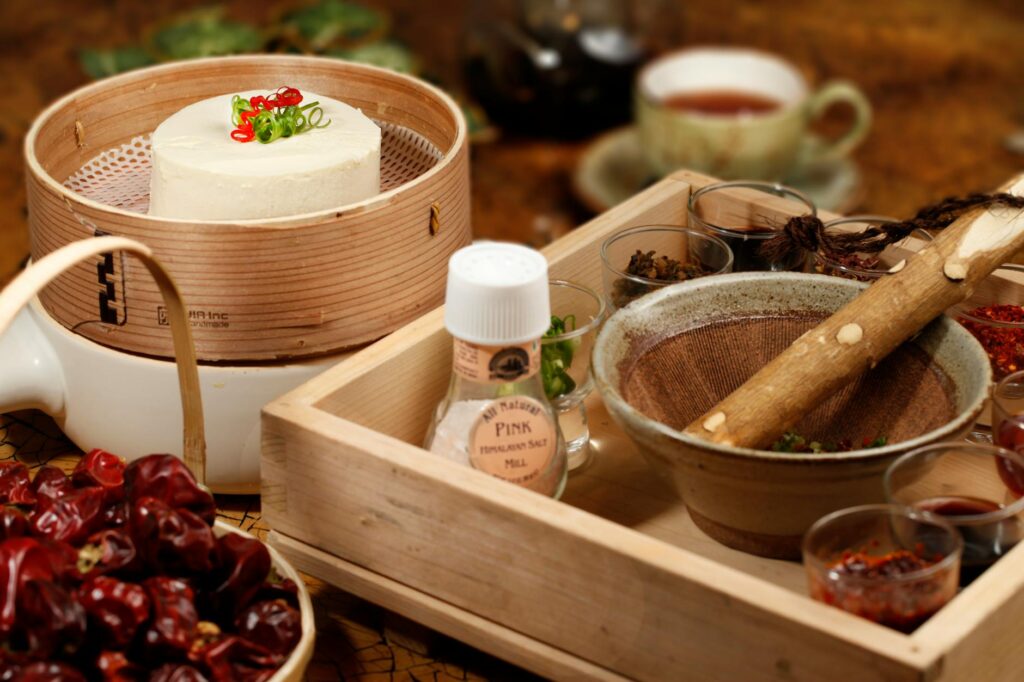
How Miso Marinated Tofu Is Produced
Introduction
Miso marinated tofu represents a harmonious blend of two significant components in Asian culinary traditions: miso, a fermented soybean paste, and tofu, a staple protein derived from soybeans. This ingredient not only enriches dishes with complex flavors but also embodies a rich cultural heritage. Understanding how miso marinated tofu is produced provides insights into its culinary versatility and nutritional benefits.
What Is Miso Marinated Tofu?
Miso marinated tofu is tofu that has been soaked or coated in a miso paste, which is created through the fermentation of soybeans, salt, and a specific type of mold called koji. The marination process allows the tofu to absorb the savory, umami-rich flavors of the miso, resulting in a product that is both flavorful and nutritious. The combination of miso and tofu results in a dish that is high in protein, packed with essential amino acids, and rich in probiotics, contributing to gut health.
History and Origins
The origins of miso can be traced back to ancient China, where it is believed that the technique of fermentation first developed. Miso made its way to Japan around the 7th century and evolved into a staple in Japanese cuisine. Tofu, on the other hand, has roots in ancient China, dating back to the Han Dynasty (206 BC – 220 AD). The practice of marinating tofu in miso likely arose from the desire to enhance the flavor profile of this otherwise neutral ingredient. Over centuries, miso marinated tofu has become a beloved dish in various East Asian cuisines, particularly in Japan, where it is often served as a side dish, main course, or incorporated into soups and salads.
Production and Processing
The production of miso marinated tofu involves several key steps, beginning with the creation of both components—miso and tofu.
Step 1: Miso Production
1. Ingredients: The primary ingredients for miso include soybeans, koji (a mold that is cultivated on steamed rice or barley), and salt. The type of miso produced (white, red, or mixed) depends on the fermentation time and the ratio of ingredients used.
2. Soaking and Cooking Soybeans: Soybeans are first soaked in water for several hours to soften them. They are then cooked until tender.
3. Koji Preparation: The cooked soybeans are mixed with koji, which is essential for fermentation. The koji spores are introduced to steamed rice or barley, allowing them to grow and produce enzymes that break down starches and proteins.
4. Fermentation: The mixture of soybeans, koji, and salt is placed in fermentation vessels, where it may ferment for anywhere from a few weeks to several years. During this time, the enzymes from the koji break down the soybeans, resulting in a rich, flavorful paste.
Step 2: Tofu Production
1. Soybean Preparation: Similar to miso, tofu begins with soaking soybeans in water, followed by grinding them with water to create soy milk.
2. Coagulation: The soy milk is heated and coagulated using a coagulant, typically magnesium chloride (nigari) or calcium sulfate. This process separates the curds from the whey.
3. Pressing: The curds are then collected and pressed into molds, resulting in blocks of tofu. The pressing time influences the texture of the tofu—longer pressing times yield firmer tofu.
Step 3: Marination
1. Marination Process: Once the tofu is prepared, it is either submerged in the miso paste or coated with it. The marination period can vary, depending on the desired intensity of flavor. Short marination can yield a subtle taste, whereas longer marination enhances the umami notes.
2. Drying and Packaging: After marination, the tofu may be dried slightly to achieve a firmer texture before packaging. This stage ensures that the miso adheres well to the tofu.
Quality and Grading
Quality control is an essential aspect of miso marinated tofu production. Factors influencing quality include:
- Ingredient Sourcing: The origin and quality of both soybeans and miso play a crucial role. High-quality, organic soybeans yield better tofu, while artisanal miso brings depth of flavor.
- Fermentation Conditions: The environment (temperature, humidity, and duration) during fermentation significantly impacts the flavor and texture of the miso.
- Marination Time: The length of time the tofu is marinated can affect its flavor profile. Careful monitoring is essential to achieve consistency in taste.
- Type of Miso: Different types of miso (white, yellow, or red) impart varying flavors. White miso tends to be milder and sweeter, while red miso has a stronger, saltier profile.
- Firmness of Tofu: Tofu comes in several textures—silken, soft, firm, and extra-firm. The choice depends on intended culinary applications; firmer tofu holds up better in stir-fries, while silken tofu is often used in soups.
- Ingredient Transparency: Look for products that clearly list ingredients, ensuring no artificial preservatives or additives are included.
- Origin: Opt for brands that source their soybeans and miso from reputable producers, ideally those practicing sustainable farming.
- Packaging: Proper packaging helps maintain freshness. Look for vacuum-sealed options or those stored in airtight containers.
Miso marinated tofu is often graded based on flavor intensity, texture, and overall quality. Higher grades may come from artisanal producers who emphasize traditional methods and high-quality ingredients.
Buying Considerations
When purchasing miso marinated tofu, consumers should consider the following factors: