
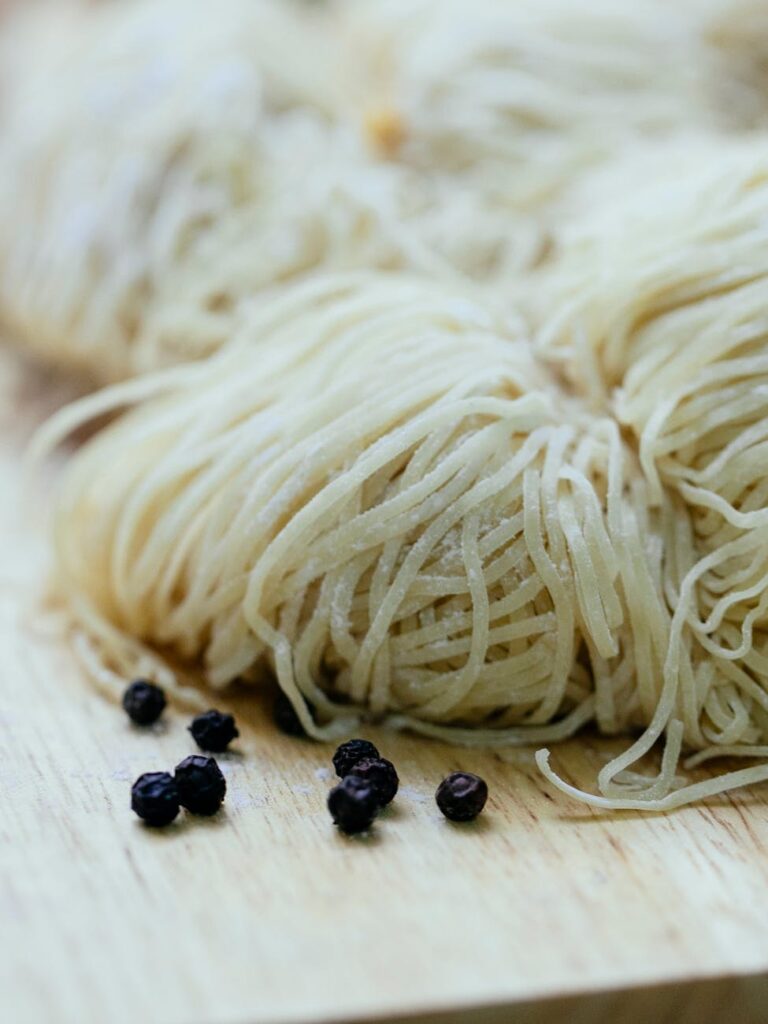
How Miso Noodles Is Produced
Introduction
Miso noodles, a unique culinary creation, blend the umami-rich flavors of miso with the comforting texture of noodles. This fusion of ingredients reflects a harmonious balance between traditional Japanese cuisine and modern culinary innovation. Understanding how miso noodles are produced involves exploring the intricacies of both miso as an ingredient and the noodle-making process itself. This article delves into the history, production methods, quality standards, and various applications of miso noodles, providing a comprehensive overview for culinary enthusiasts and professionals alike.
What Is About?
Miso noodles are primarily made from wheat flour, water, and miso paste—a fermented soybean product. The interplay between the savory, complex flavors of miso and the neutral base of the noodles creates a versatile ingredient that can enhance a wide range of dishes. Miso, typically made from soybeans, salt, and a fermentation starter called koji, offers an umami depth that elevates the taste profile of noodles, making them a sought-after addition to various cuisines.
History and Origins
The origins of miso can be traced back over a thousand years to ancient China, where it was known as “jiang.” It was introduced to Japan in the 7th century, where it evolved into the rich, diverse array of miso varieties recognized today. The combination of miso with noodles is a more recent innovation, reflecting the adaptability of Japanese cuisine. Noodles, introduced to Japan from China, gained popularity during the Edo period (1603-1868) and have since become a staple in Japanese culinary tradition. The fusion of miso with noodles is a testament to the evolving nature of food, where traditional ingredients find new life in modern dishes.
Production and Processing
The production of miso noodles involves several key stages, beginning with the preparation of miso paste.
Miso Production
1. Fermentation: The primary ingredients for miso include soybeans, salt, and koji (a mold culture). The soybeans are soaked, cooked, and mashed, then combined with koji and salt. This mixture ferments for several months to several years, depending on the desired flavor profile.
2. Varieties of Miso: There are several types of miso, including white (shiro), red (aka), and mixed (awase). Each variety has its own fermentation time and flavor intensity, influencing the final taste of the noodles.
Noodle Production
1. Ingredients: To make miso noodles, the primary ingredients include wheat flour, water, and miso paste. The ratio of flour to miso can vary, impacting the final flavor and texture.
2. Dough Preparation: The flour and miso are combined with water to form a dough. This mixture is kneaded until it reaches a smooth consistency. The inclusion of miso adds moisture and flavor to the dough.
3. Resting: The dough is allowed to rest, enabling the gluten to develop, which contributes to the chewiness of the noodles.
4. Rolling and Cutting: After resting, the dough is rolled out into thin sheets. These sheets are then cut into the desired noodle shape—whether flat, round, or thin.
5. Drying: The noodles may be dried for preservation or cooked fresh, depending on the intended use. Dried miso noodles have a longer shelf life and are often preferred for convenience.
6. Packaging: Once dried, the noodles are packaged for distribution, ensuring they remain fresh and protected from moisture.
Quality and Grading
The quality of miso noodles is influenced by various factors, including the quality of the miso used, the flour type, and the production method. High-quality miso noodles should have a balanced flavor, exhibiting the umami characteristics of miso without being overly salty.
Grading Systems
While there is no universal grading system specifically for miso noodles, manufacturers may use quality markers based on:
- Ingredient Quality: The use of organic or high-grade miso and flour.
- Texture: The noodles should have a firm yet tender texture, indicative of proper gluten development.
- Flavor: A well-balanced flavor that reflects the type of miso used.
Buying Considerations
When purchasing miso noodles, consider the following:
1. Type of Miso: Different miso varieties will affect the flavor of the noodles. For instance, white miso offers a milder taste, while red miso provides a richer, deeper flavor.
2. Noodle Thickness: Depending on the dish, the thickness of the noodle can greatly affect the eating experience. Thinner noodles may be better suited for soups, while thicker varieties work well in stir-fries.
3. Fresh vs. Dried: Fresh noodles typically have a superior texture but may require quicker consumption. Dried noodles offer convenience and longer shelf life.
4. Brand Reputation: Opt for brands known for quality production practices to ensure the best flavor and texture.
5. Ingredients List: Check for any additives or preservatives that may detract from the natural flavors of the noodles.
Uses and Applications
Miso noodles are incredibly versatile and can be incorporated into various dishes, enhancing both flavor and nutritional content. Some common applications include:
1. Soups: Miso noodles are often used in miso soup, where they absorb the broth’s flavors while adding substance to the dish.
2. Stir-fries: The umami flavor of miso noodles complements vegetables and proteins in stir-fried dishes, creating a balanced meal.
3. Salads: Cold noodle salads benefit from the unique flavor of miso noodles, particularly when paired with fresh vegetables and light dressings.
4. Casseroles: Miso noodles can serve as a base for baked dishes, absorbing flavors from sauces and toppings.
5. Wraps: The noodles can be used in