
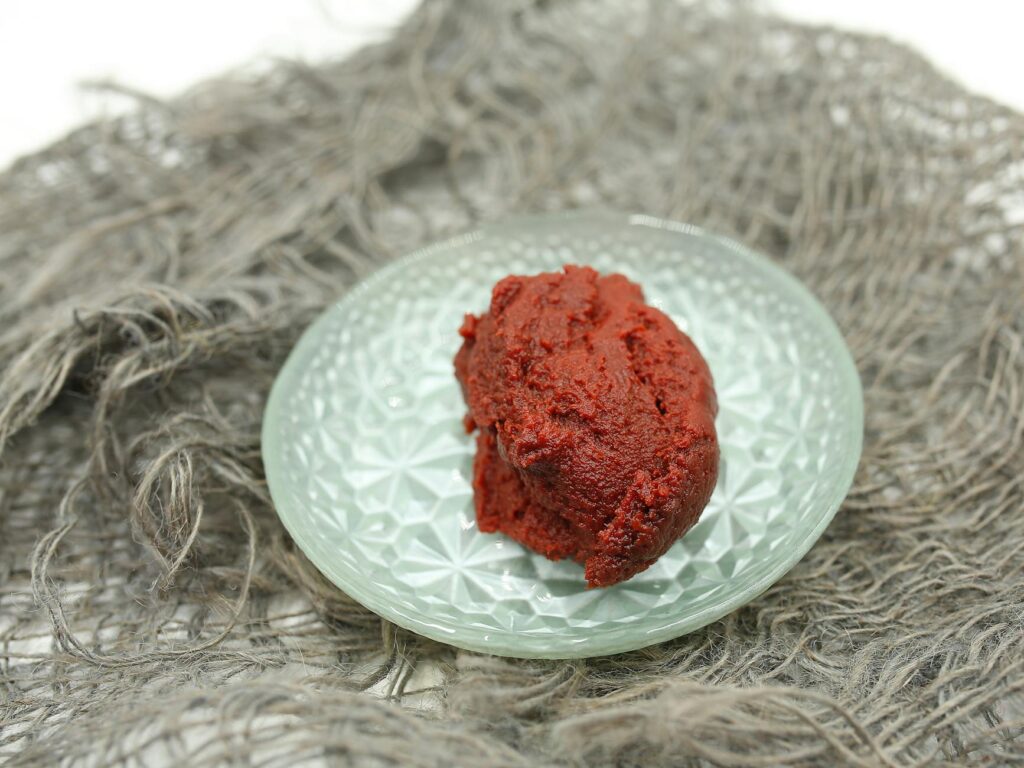
How Miso Paste Is Farmed Commercially
Introduction
Miso paste, a staple in Japanese cuisine, has gained popularity globally for its rich umami flavor and versatility in various dishes. This fermented soybean paste is not only a culinary delight but also a fascinating product of agricultural and fermentation techniques. Understanding how miso paste is farmed commercially offers insight into the intricate processes that transform raw ingredients into this beloved condiment.
What Is Growing?
In the context of farming, “growing” refers to the cultivation of crops, which in the case of miso paste primarily involves soybeans. The farming process encompasses various stages, including planting, nurturing, harvesting, and preparing the crops for processing. Successful growing relies on a keen understanding of agricultural practices, soil health, climate conditions, and crop management techniques.
History and Origins
The origins of miso can be traced back over a thousand years to ancient China, where it evolved from a simple fermented grain paste. The technique was introduced to Japan in the 7th century, where it underwent significant transformation. The Japanese adapted the method to use soybeans, which were abundant in the region, leading to the development of what we now recognize as miso paste.
Historically, miso was a crucial food source for samurai and monks, providing nourishment and energy. Its preservation properties made it a valuable commodity, especially during times of scarcity. Over centuries, various regional varieties of miso emerged, each showcasing unique flavor profiles depending on local ingredients and fermentation techniques.
Production and Processing
The commercial production of miso paste involves several key steps, each critical to ensuring the final product’s quality and flavor.
Cultivation of Soybeans
The first step in miso production is the cultivation of high-quality soybeans. Farmers select specific soybean varieties based on their suitability for miso production, focusing on traits such as protein content and flavor. Typical growing regions include the United States, Brazil, and Japan, where climate and soil conditions are favorable for soybean cultivation.
Harvesting
Once the soybeans reach maturity, they are harvested, typically in late summer to early fall. Timing is crucial; beans that are harvested too early may not have developed their full flavor profile, while late harvesting can lead to overripe beans, affecting fermentation.
Cooking and Mixing
After harvesting, the soybeans are cleaned and soaked in water to soften them. They are then steamed or boiled until tender, making them ready for fermentation. At this stage, cooked soybeans are mixed with koji, a starter culture made from inoculated rice, barley, or soybeans. This mixture is crucial as the koji spores contain enzymes that facilitate the fermentation process.
Fermentation
The fermentation process is where miso develops its distinctive flavor and aroma. The mixture is placed in fermentation tanks, where it is allowed to ferment for a period ranging from a few months to several years, depending on the desired flavor profile. During this time, the koji breaks down the starches and proteins in the soybeans, transforming them into sugars and amino acids, which contribute to the umami flavor.
Packaging
Once fermentation is complete, the miso is pasteurized to halt any further fermentation, ensuring consistency in flavor and texture. It is then packaged in airtight containers to preserve its quality and extend its shelf life.
Quality and Grading
The quality of miso paste is determined by several factors, including the type of soybeans used, the fermentation time, and the production methods employed. Commercial miso is often graded based on its color, flavor intensity, and texture.
Types of Miso
There are several varieties of miso, each with its own unique characteristics:
- White Miso (Shiro Miso): Mild and slightly sweet, made with a higher proportion of rice koji.
- Red Miso (Aka Miso): Aged longer, resulting in a stronger, saltier flavor profile.
- Mixed Miso (Awase Miso): A blend of white and red miso, offering a balanced flavor.
- Soups: Perhaps the most famous use, miso soup is a staple in Japanese households.
- Dressings and Marinades: Miso adds depth to salad dressings and marinades, providing a savory base for various dishes.
- Dips: Mixed with yogurt or cream cheese, miso creates flavorful dips for vegetables or crackers.
- Glazes: Miso can be used to glaze meats or vegetables before roasting, enhancing their flavor and creating a caramelized exterior.
- Baking: Innovative chefs incorporate miso into baked goods for a surprising umami kick.
Grading Standards
Miso is often graded by sensory evaluation, where trained tasters assess its flavor, aroma, color, and texture. Producers may also adhere to specific certifications, such as organic or non-GMO labels, which can influence consumer choice and marketability.
Buying Considerations
When purchasing miso paste, several factors should be considered to ensure the selection of high-quality products:
1. Type of Miso: Choose based on the intended culinary use, whether for dressings, soups, or marinades.
2. Ingredient Quality: Look for miso made from organic soybeans and without artificial preservatives or additives.
3. Fermentation Time: Longer fermentation generally enhances flavor complexity; however, preferences may vary among consumers.
4. Packaging: Opt for products in airtight containers to maintain freshness and prevent spoilage.
5. Local vs. Imported: While traditional Japanese miso offers authenticity, local producers may provide fresh variations with unique flavor profiles.
Uses and Applications
Miso paste is incredibly versatile, finding its way into a wide range of culinary applications:
Storage and Shelf Life
Proper storage is essential for maintaining the quality of miso paste. It should be kept in a cool, dark place, preferably in the refrigerator once opened. When stored under these conditions, miso can last for several months to a year, depending on its type and fermentation level.
Signs of Spoilage
Though miso is a fermented product and can have a long shelf life, it can spoil. Signs include off-odors, color changes, or the presence of mold. If any of these signs are observed, it is advisable to discard the miso.
Common Misconceptions
Despite its popularity, several misconceptions surround miso paste:
1. Miso Is Always Salty: While many varieties of miso have a salty flavor, some types, like white miso, are milder and sweeter.
2. Miso Is Unhealthy: Miso can be part of a balanced diet, providing protein, probiotics, and essential vitamins when consumed in moderation.
3. All Miso Is the Same: The flavor and quality of miso can vary significantly based on ingredients, fermentation time, and regional production methods.
4. Miso Is Only for Japanese Cuisine: While traditional in Japanese cooking, miso is versatile and can be incorporated into various global cuisines.
Frequently Asked Questions
1. What are the main ingredients in miso paste?
Miso paste primarily consists of soybeans, koji (a fermented grain), salt, and water. Some variations may include additional ingredients like barley or other grains.
2. Can miso paste be used in vegan cooking?
Yes, miso paste is an excellent ingredient for vegan dishes, providing a rich umami flavor that enhances soups, sauces, and dressings.
3. How can I tell if my miso paste has gone bad?
Signs of spoilage include off-odors, discoloration, or the presence of mold. If any of these signs are observed, it is best to discard the miso.
4. Is all miso paste gluten-free?
Not all miso is gluten-free, as some varieties use barley as a base. Always check labels for gluten-free certification if needed.
5. How should I incorporate miso into my cooking?
Miso can be used in soups, dressings, marinades, and even baked goods. Start with small amounts and adjust to taste, as its flavor can be quite potent.
6. Can miso paste be frozen?
Yes, miso can be frozen for extended storage. However, its texture may change slightly upon thawing, but the flavor remains intact.
Conclusion
The journey from soybean cultivation to the finished miso paste is a complex interplay of agricultural practices, fermentation techniques, and cultural traditions. Understanding how miso paste is farmed commercially not only enhances appreciation for this ingredient but also informs choices when selecting and using miso in culinary applications. As its popularity continues to grow, miso remains a testament to the art of fermentation and the enduring connection between food and culture.