
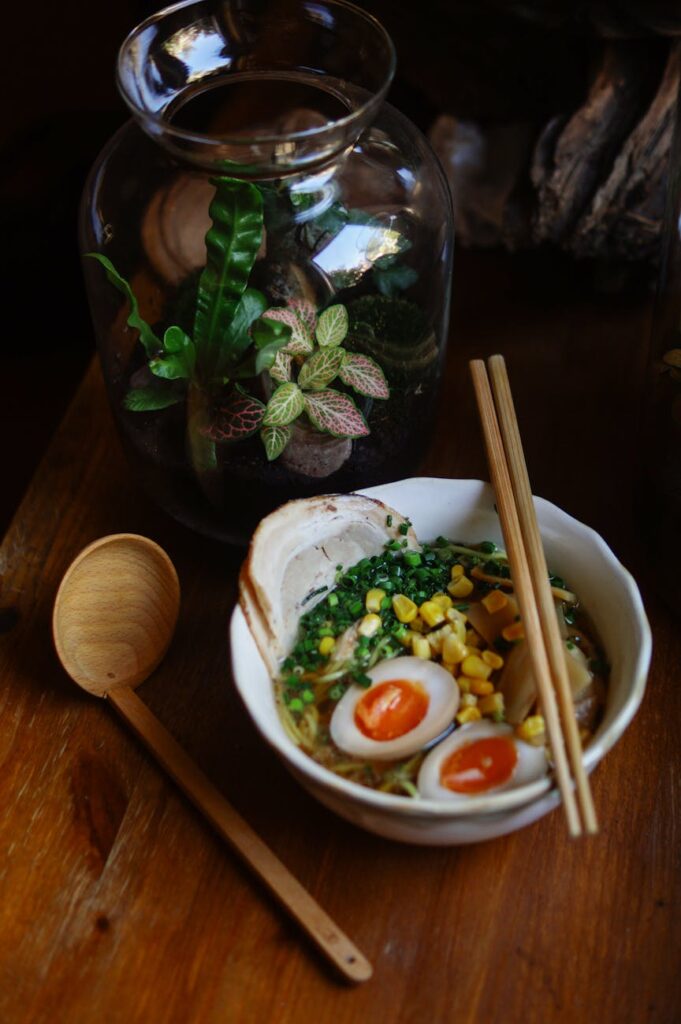
How Miso Ramen Broth Is Produced
Introduction
Miso ramen broth is an essential component of one of Japan’s most beloved noodle dishes, ramen. Characterized by its rich umami flavor and creamy texture, miso ramen broth is a harmonious blend of miso paste, stock, and various seasonings. Understanding the production process behind this savory broth not only deepens appreciation for the dish but also highlights the intricate culinary traditions of Japan. This article delves into the specifics of miso ramen broth, covering its history, production methods, quality assessments, and more.
What Is Miso Ramen Broth?
Miso ramen broth is a flavorful liquid base used in ramen, a Japanese noodle soup. The primary ingredient, miso, is a fermented soybean paste that contributes a complex, savory profile to the broth. Miso ramen typically incorporates various types of miso, including white, yellow, and red miso, each imparting a unique flavor and depth to the dish. This broth serves as the backbone of ramen, providing an essential umami flavor that complements the noodles, toppings, and additional seasonings.
History and Origins
The roots of miso ramen can be traced back to the early 20th century in Japan, particularly in the city of Sapporo, Hokkaido. The first recorded instance of miso ramen emerged in 1955 when a small ramen shop started using miso as a base for its broth, responding to the colder climate and the need for hearty, warming dishes. The dish quickly gained popularity, evolving into various regional styles, each with its own take on miso and broth preparation.
Historically, miso itself has been a staple in Japanese cuisine for centuries, believed to have originated in China over 2,500 years ago. Miso production methods were refined in Japan, leading to a variety of styles and flavors that contribute to the modern interpretation of miso ramen broth today.
Production and Processing
The production of miso ramen broth involves several key steps, each of which plays a crucial role in developing the broth’s signature flavors.
1. Selection of Ingredients
The first step in producing miso ramen broth is selecting high-quality ingredients. The primary components include:
- Miso Paste: Various types of miso (white, yellow, and red) can be used. White miso is milder and sweeter, while red miso is richer and saltier.
- Dashi: A Japanese stock typically made from kombu (dried kelp) and katsuobushi (dried bonito flakes). This forms the umami backbone of the broth.
- Aromatics: Common additions include garlic, ginger, and scallions, which enhance the overall flavor profile.
- Additional Seasonings: Soy sauce, mirin, and sesame oil are often included to deepen the complexity.
- Color and Texture: Lighter misos are generally sweeter and milder, while darker misos have a stronger, more complex flavor.
- Fermentation Time: Longer fermentation typically results in a deeper flavor and darker color.
- Ingredient Quality: The use of organic soybeans and natural fermentation processes can enhance the overall quality of the miso.
2. Preparation of Dashi
Dashi is the foundation of many Japanese broths. To prepare it, kombu is soaked in cold water to extract its umami essence, followed by heating the water to just below boiling. Katsuobushi is then added, steeping to create a rich, flavorful stock. The dashi is then strained to remove the solids, leaving behind a clear, aromatic liquid.
3. Mixing the Miso
Once the dashi is ready, the next step is to blend the miso paste. It is typically mixed with a small amount of the warm dashi to create a smooth paste, which prevents clumping when added to the larger batch of broth. The paste is then gradually incorporated into the dashi, adjusting the quantity based on the desired flavor intensity.
4. Enhancing the Broth
After the miso is fully incorporated, aromatics and additional seasonings are added. This mixture is simmered gently to allow the flavors to meld, taking care not to boil, as high heat can alter the delicate flavors of the miso.
5. Final Adjustments
The final step involves tasting and adjusting the broth. Depending on personal or regional preferences, additional miso, salt, or other flavorings may be added to achieve the desired taste profile.
Quality and Grading
The quality of miso ramen broth is greatly influenced by the choice of ingredients and the production method. High-quality broth is characterized by a balanced flavor profile, a pleasant aroma, and a smooth texture.
Grading of Miso
Miso itself is often graded based on several factors:
Sensory Evaluation
Professional tasters often evaluate miso ramen broth based on aroma, flavor, and mouthfeel. A well-crafted broth should have a rich, inviting aroma, a balanced umami taste, and a smooth, satisfying texture that coats the palate.
Buying Considerations
When purchasing miso ramen broth or its components, several factors should be taken into account:
1. Type of Miso
Choose a miso type that suits your flavor preference—white miso for sweetness, red miso for depth, or a blend for complexity. Look for brands that offer organic or artisanal options for superior taste.
2. Quality of Dashi
If dashi is pre-packaged, check the ingredient list for authenticity. Avoid products with preservatives or artificial flavors, opting instead for those made from natural ingredients.
3. Freshness
Freshness is crucial for maintaining flavor integrity. Check expiration dates and consider buying from local producers or specialty stores that prioritize fresh ingredients.