
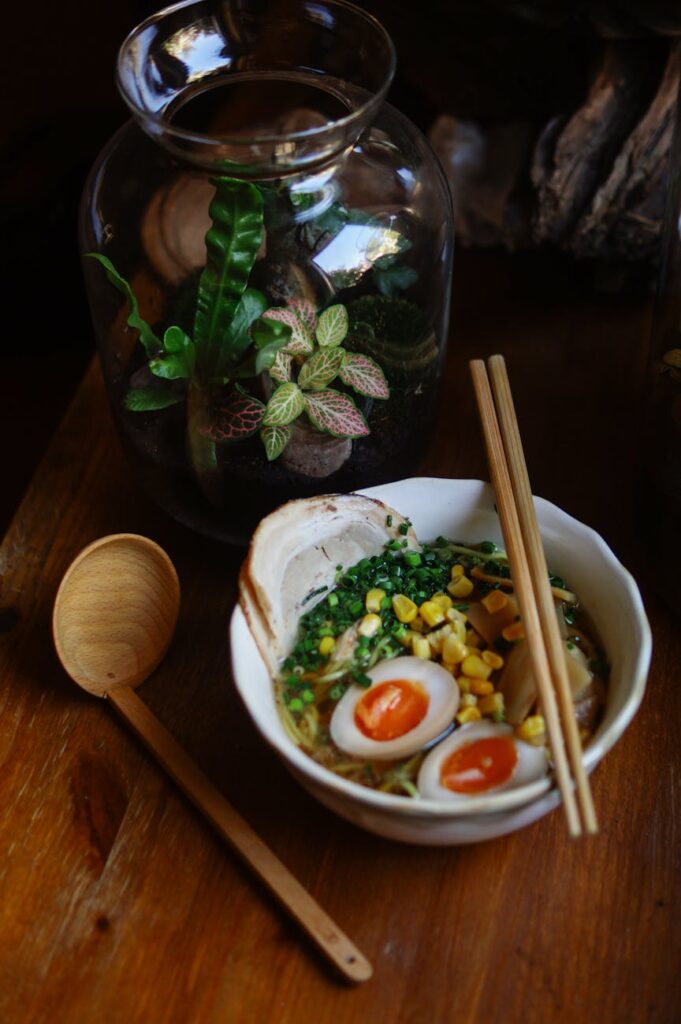
How Miso Ramen Is Produced
Introduction
Miso ramen is a beloved staple of Japanese cuisine, celebrated for its rich, savory flavor and comforting warmth. This dish, characterized by its broth made from miso paste, has captivated taste buds worldwide, evolving into various regional and international interpretations. Understanding how miso ramen is produced provides a deeper appreciation for its complex flavors, cultural significance, and culinary versatility.
What Is About?
Miso ramen consists primarily of a miso-based broth, which is the heart of the dish. The miso paste, fermented from soybeans, is combined with various ingredients to create a rich, umami-packed soup. The dish typically features ramen noodles, which can vary in thickness and texture, and is often garnished with toppings such as sliced chashu (braised pork), scallions, seaweed, and soft-boiled eggs. The balance of flavors in miso ramen stems from a harmonious blend of salty, sweet, and umami elements, making it both comforting and complex.
History and Origins
The history of miso ramen can be traced back to the early 20th century in Hokkaido, Japan. While ramen itself has roots that intertwine with Chinese noodle dishes, the introduction of miso as a key ingredient marks a significant evolution in the dish’s development. The first known miso ramen shop, “Shin-sei,” opened in Sapporo in 1955, paving the way for a new culinary trend.
Miso ramen quickly gained popularity, particularly in colder regions of Japan, where the hearty nature of the dish provided warmth and nourishment. Over the decades, different variations emerged, incorporating local ingredients and flavors, contributing to the diversity of miso ramen found across Japan and beyond.
Production and Processing
The production of miso ramen begins with its key components: miso paste and ramen noodles. Understanding the production of each element is essential to grasping the overall process.
Miso Production
Miso is traditionally made from soybeans, koji (a type of mold), and salt. The process begins with soaking and steaming the soybeans, after which they are mashed and mixed with koji and salt. This mixture is placed in fermentation containers, where it undergoes a maturation process that can last from a few months to several years. The duration of fermentation significantly impacts the flavor profile of the miso, ranging from sweet and mellow to robust and salty.
Types of miso include:
- White Miso (Shiro Miso): Mild and sweet, often used in lighter dishes.
- Red Miso (Aka Miso): Fermented for a longer period, resulting in a stronger flavor.
- Mixed Miso: A combination of white and red miso, offering a balance of flavors.
- Miso Type: Depending on the desired flavor profile, choose between white, red, or mixed miso. Each type offers unique characteristics that can influence the final dish.
- Ramen Noodles: Opt for fresh noodles when possible, as they provide a superior texture. Dried noodles can also be a convenient option but may require adjustments in cooking time.
- Broth Base: For homemade versions, consider using high-quality stock or making your own to achieve a deep, flavorful broth.
- Toppings: Fresh toppings like scallions, eggs, and vegetables can enhance the dish’s flavor and presentation.
Ramen Noodles Production
Ramen noodles are made from wheat flour, water, salt, and kansui, an alkaline mineral water that gives ramen its distinctive texture and chewiness. The dough is mixed, kneaded, and rested before being rolled out and cut into strands. The thickness of the noodles can vary, impacting the overall mouthfeel of the ramen.
Once prepared, the noodles are steamed to achieve the desired texture, after which they are either packaged for immediate use or dried for longer shelf life. Fresh noodles are typically preferred for their superior texture and flavor, but dried noodles are also widely used in commercial settings.
Broth Development
The miso broth is created by dissolving miso paste in a stock, often made from chicken, pork, or vegetables. The stock serves as the base, infused with various aromatics such as garlic, ginger, and scallions. The combination of miso and stock is simmered to integrate the flavors, resulting in a rich, savory broth that is the essence of miso ramen.
Quality and Grading
The quality of miso ramen is influenced by several factors, including the quality of the miso, the noodles, and the broth. High-quality miso should have a balanced flavor, without overwhelming saltiness or sweetness. When assessing ramen noodles, factors such as elasticity, texture, and thickness are vital indicators of quality.
In Japan, there are no official grading systems for miso or ramen; however, chefs and culinary experts often rely on their experience and taste to determine the quality of the ingredients. Many ramen shops take pride in sourcing locally produced ingredients, which can enhance the overall flavor and authenticity of the dish.
Buying Considerations
When purchasing miso ramen ingredients, several aspects should be considered:
Uses and Applications
Miso ramen is versatile, lending itself to various culinary applications beyond being a standalone dish. It can be adapted for different dietary preferences, including vegetarian and vegan options by substituting animal-based stocks with vegetable broths and omitting meat toppings.
In addition to traditional consumption, miso ramen can be served as a base for fusion dishes, such as ramen burgers or miso ramen salads, where the broth is used as a dressing. The flavor of miso also pairs well with different ingredients, allowing chefs to experiment and innovate while maintaining the essence of the original dish.
Storage and Shelf Life
Miso
Miso paste has a long shelf life due to its fermentation process, often