
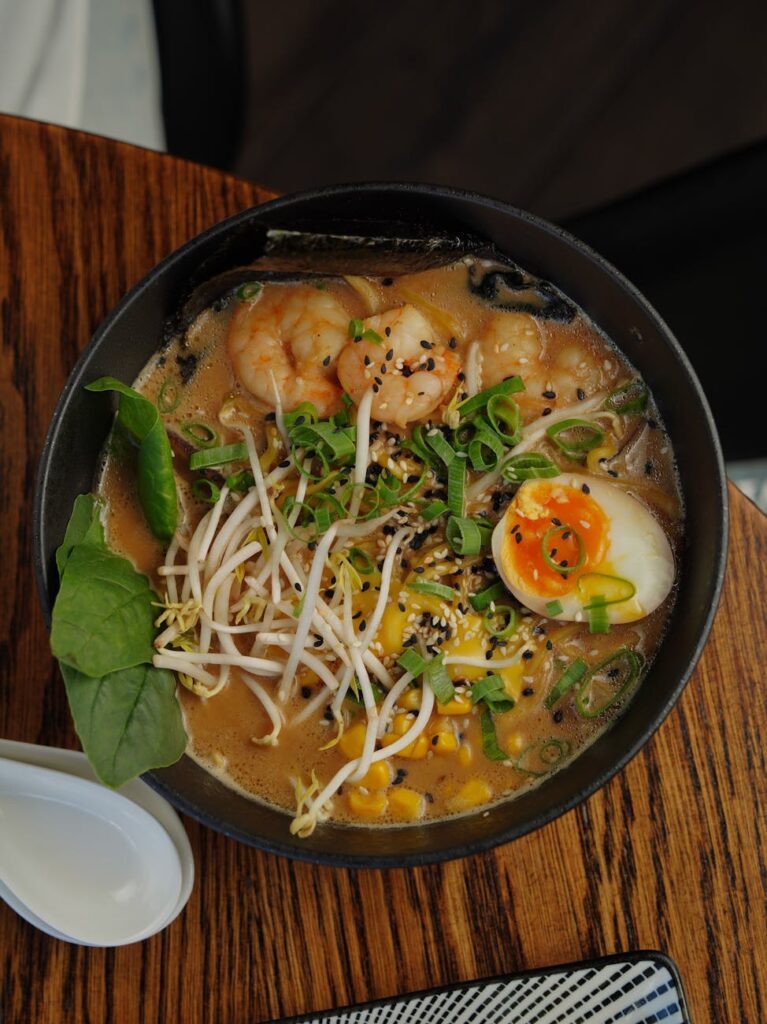
How Miso Ramen Noodles Are Produced
Introduction
Miso ramen noodles are a vital component of one of Japan’s most beloved dishes: miso ramen. Renowned for their unique texture and ability to absorb the rich flavors of the miso broth, these noodles represent a harmonious blend of culinary art and scientific precision. This article delves into the intricacies of miso ramen noodles, exploring their history, production processes, quality assessments, and more.
What Is Miso Ramen Noodles?
Miso ramen noodles are a type of wheat noodle specifically designed to complement miso-based ramen dishes. They are characterized by their chewy texture and are typically made from wheat flour, water, salt, and kansui—a special alkaline mineral water that enhances the noodle’s elasticity and gives it its distinctive yellow hue. The choice of miso used in the accompanying broth can significantly influence the flavor profile of the dish, ranging from sweet and mild to robust and savory.
History and Origins
The roots of ramen can be traced back to Chinese noodle dishes, but it wasn’t until the 19th century that ramen as we know it began to take shape in Japan. The introduction of miso ramen occurred in Hokkaido, where the cold climate favored hearty meals. Miso, a fermented soybean paste, became a staple in Japanese cuisine, and its incorporation into ramen provided a rich, umami flavor that resonated with local tastes.
Over the decades, miso ramen has evolved, with regional variations and unique recipes emerging across Japan. The noodles themselves have also undergone significant development, with artisan producers emphasizing quality ingredients and traditional techniques.
Production and Processing
The production of miso ramen noodles involves several meticulous steps:
Ingredient Selection
The quality of miso ramen noodles starts with the selection of high-quality wheat flour. The flour is often categorized based on protein content, with higher protein levels yielding firmer noodles. Kansui is another critical ingredient, consisting of sodium carbonate and potassium carbonate, which contribute to the noodles’ unique texture.
Dough Preparation
The wheat flour, water, and kansui are combined to form a dough. The proportions of these ingredients can vary depending on the desired noodle texture. The mixture undergoes a process of kneading, which develops gluten, making the noodles elastic and chewy. This stage is crucial, as it directly affects the final product’s quality.
Resting the Dough
Once kneaded, the dough is allowed to rest. Resting is vital as it relaxes the gluten structure, making it easier to roll out the dough into thin sheets. This process ensures that the noodles maintain their shape during cooking.
Rolling and Cutting
After resting, the dough is rolled out into thin sheets. The thickness of these sheets can vary, but they are typically between 1.5 to 2 millimeters thick. Once rolled, the sheets are cut into strands of the desired width, which can range from fine to thick, depending on regional preferences.
Cooking and Drying
Depending on the intended use, the noodles may be either cooked fresh or dried. Fresh noodles are typically boiled briefly before being served, while dried noodles are steamed and then dehydrated to ensure they have a long shelf life. The drying process enhances the noodles’ texture and allows for convenient storage.
Packaging
Once produced, miso ramen noodles are packaged in airtight containers or vacuum-sealed bags to maintain freshness. Proper packaging is essential, as it protects the noodles from moisture and light, which can degrade quality over time.
Quality and Grading
Quality assessment of miso ramen noodles is based on several parameters, including texture, color, and aroma. High-quality noodles should exhibit a firm bite and a slight sheen. Grading often involves:
- Texture: A balance between chewiness and tenderness, ensuring they hold up well in broth.
- Color: A light golden hue indicates the presence of kansui.
- Aroma: Fresh noodles should have a mild, pleasant smell.
- Type: Choose between fresh or dried noodles based on your cooking needs. Fresh noodles are ideal for immediate use, while dried noodles offer convenience and longer shelf life.
- Ingredients: Check for high-quality wheat flour and minimal additives. Authentic noodles should primarily consist of flour, water, salt, and kansui.
- Brand Reputation: Opt for reputable brands known for their quality and traditional production methods.
- Storage Instructions: Be aware of recommended storage practices to ensure the noodles maintain their quality over time.
- Stir-Fries: Their robust texture allows them to hold up well in stir-fried dishes, absorbing flavors from sauces and vegetables.
- Salads: Cooked and chilled miso ramen noodles can be incorporated into cold noodle salads, making for refreshing summer meals.
- Soups: They can be used in other soup bases that require hearty noodles, providing a satisfying component to the dish.
- Fresh Noodles: These should be stored in the refrigerator and typically have a shelf life of 3 to 5 days. They should be kept in their original packaging or an airtight container to prevent drying out.
- Dried Noodles: When kept in a cool, dry place, dried miso ramen noodles can last for several months to a year. Once opened, they should be resealed and stored in a moisture-proof container to maintain freshness.
Artisan producers may also create unique blends of flour to enhance flavor and texture, contributing to the growing interest in high-end ramen dining experiences.
Buying Considerations
When purchasing miso ramen noodles, consider the following factors:
Uses and Applications
Miso ramen noodles are versatile and can be used in various culinary applications beyond traditional ramen:
Storage and Shelf Life
Proper storage is crucial for maintaining the quality of miso ramen noodles: