
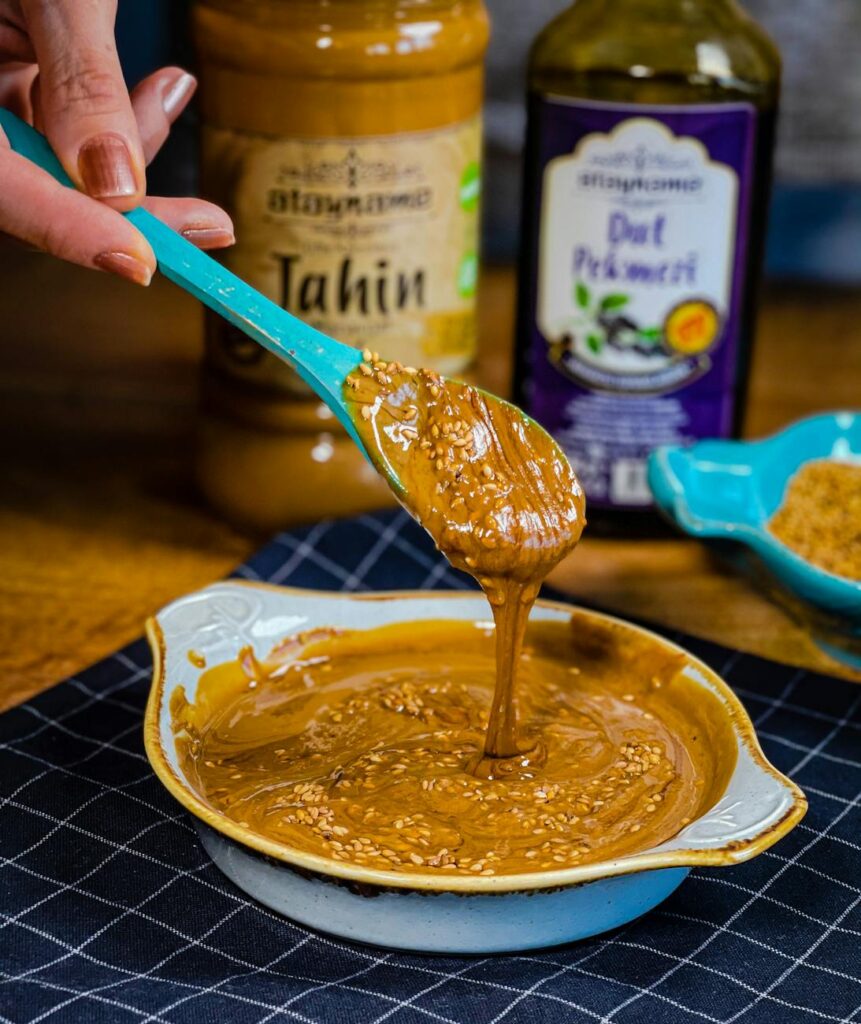
How Miso Tahini Is Produced
Introduction
Miso tahini, a harmonious blend of two celebrated ingredients, miso and tahini, is increasingly gaining popularity in culinary circles around the globe. Each component brings its own unique flavor profile and nutritional benefits, creating a versatile ingredient that can enhance a variety of dishes. This article delves into the production of miso tahini, exploring its history, processing methods, quality factors, and much more.
What Is About?
Miso tahini is a condiment that combines miso, a fermented soybean paste originating from Japan, with tahini, a paste made from ground sesame seeds commonly used in Middle Eastern cuisine. The result is a creamy, umami-rich spread that is not only flavorful but also packed with nutrients. Miso contributes a savory depth, while tahini adds a nutty, creamy texture, making miso tahini a favorite among chefs and home cooks alike.
History and Origins
The roots of miso can be traced back to ancient China over 2,500 years ago, where it was originally made from fermented grains. The technique eventually spread to Japan, where it evolved into the various types of miso we know today, primarily made from soybeans, rice, and barley. Miso has been a staple in Japanese cuisine, used in soups, marinades, and dressings.
On the other hand, tahini has its origins in the Middle East, with a history that dates back thousands of years. It is made by grinding sesame seeds into a smooth paste, providing a rich source of protein and healthy fats. The combination of these two ingredients is relatively modern, reflecting the growing trend of fusion cuisine and the global exchange of culinary practices.
Production and Processing
The production of miso tahini involves several steps that ensure the quality and flavor of the final product:
1. Selecting Ingredients
The quality of miso tahini begins with the raw materials. For miso, soybeans are the primary ingredient, while tahini requires high-quality sesame seeds. The choice of miso type—white, yellow, or red—will influence the final flavor. White miso is sweeter and milder, while red miso is saltier and more robust.
2. Miso Production
The process of making miso involves soaking, cooking, and fermenting soybeans. Here’s a breakdown:
- Soaking and Cooking: Soybeans are soaked in water for several hours, then boiled until soft. This process makes the beans easier to mash and helps in the fermentation process.
- Mashing and Mixing: The cooked soybeans are mashed into a paste and mixed with koji (a mold culture, typically Aspergillus oryzae) and salt. Koji is essential for fermentation, as it breaks down the sugars in the soybeans.
- Fermentation: The mixture is placed in a fermenting vessel and allowed to ferment for a period ranging from a few weeks to several years, depending on the desired flavor profile. During fermentation, enzymes break down the proteins and carbohydrates, producing amino acids, organic acids, and other flavor compounds.
- Toasting: Sesame seeds are lightly toasted to enhance their nutty flavor. This step is optional but highly recommended for a richer taste.
- Grinding: The toasted seeds are ground into a paste, either using traditional stone mills or modern machinery. The grinding process releases the oils in the sesame seeds, creating a creamy texture.
- Ingredient Quality: The flavor and nutritional value depend heavily on the quality of the miso and tahini used in the blend. Premium ingredients yield superior products.
- Fermentation Duration: The length of fermentation for miso affects its flavor complexity. Longer fermentation times usually produce more robust and nuanced flavors.
- Texture: A quality miso tahini should have a smooth and creamy consistency without any grittiness.
- Flavor Balance: Achieving a harmonious balance between the umami of miso and the nuttiness of tahini is essential for a well-crafted product.
- Ingredient List: Look for products with minimal ingredients, ideally just miso, tahini, and possibly salt. Avoid additives that can compromise flavor.
- Type of Miso: Different types of miso will impart unique flavors. Consider whether you prefer a sweeter white miso or a more robust red miso.
- Origin: Check where the miso and tahini are sourced. Artisanal brands often prioritize local, high-quality ingredients.
- Packaging: Opt for products in glass or BPA-free containers to maintain freshness and avoid chemical leaching.
- Certifications: Organic certifications can indicate higher quality ingredients and sustainable production practices.
- Dressings and Sauces: It can be whisked into salad dressings or sauces to add depth and cream
3. Tahini Production
Tahini is produced by toasting and grinding sesame seeds. The steps include:
4. Combining Miso and Tahini
Once both components are prepared, they are blended together in specific ratios to create miso tahini. This step requires careful calibration to balance the flavors effectively. The mixture is then homogenized to ensure a uniform consistency.
5. Packaging
After production, miso tahini is typically packaged in airtight containers to preserve freshness. The packaging process is crucial for maintaining quality and preventing spoilage.
Quality and Grading
The quality of miso tahini is influenced by several factors:
Grading systems may vary by manufacturer, but generally, higher-quality miso tahini will be labeled as organic or artisanal, reflecting superior ingredient sourcing and production methods.
Buying Considerations
When purchasing miso tahini, consider the following factors:
Uses and Applications
Miso tahini is an incredibly versatile ingredient that can be used in a variety of culinary applications: