
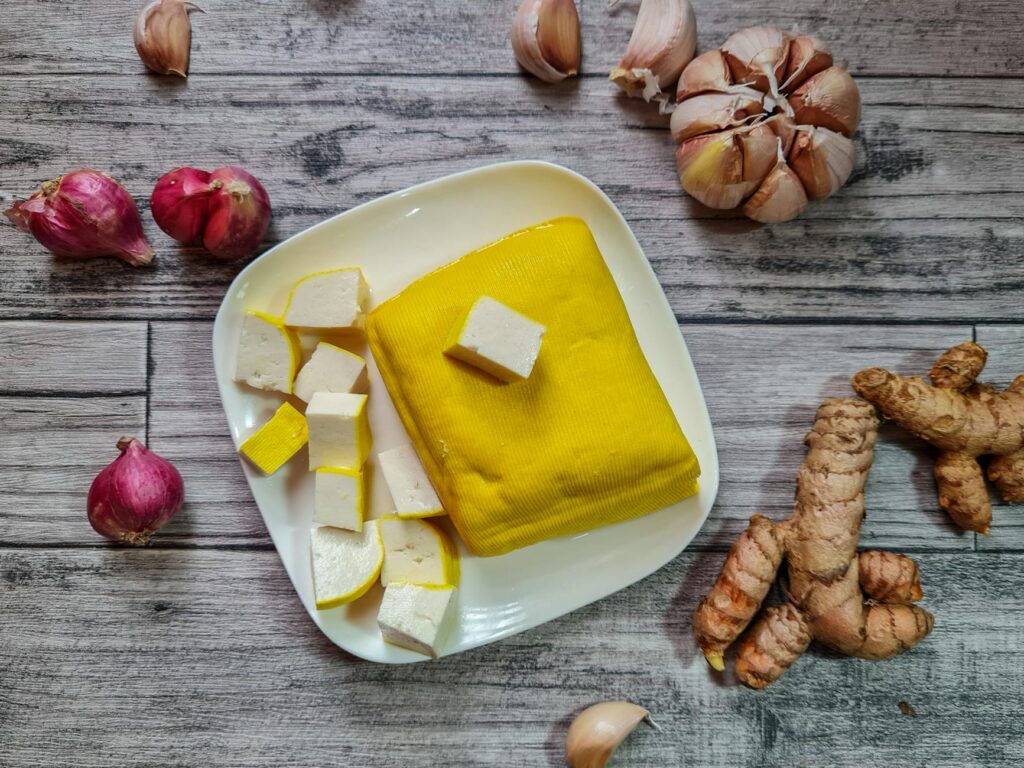
How Miso Tofu Skin Is Produced
Introduction
Miso tofu skin, often referred to as “yuba” or “tofu skin,” is a unique and versatile ingredient that has earned a prominent place in various culinary traditions, particularly in East Asian cuisines. This article delves into the production and processing of miso tofu skin, exploring its history, quality grading, buying considerations, and uses, while also addressing common misconceptions.
What Is Miso Tofu Skin?
Miso tofu skin is a byproduct of the tofu-making process, specifically derived from the soy milk that is produced. After soybeans are soaked, ground, and boiled to extract soy milk, a thin layer forms on the surface. This layer is known as tofu skin or yuba. It can be dried and rehydrated for culinary uses, offering a delicate texture and subtle flavor that absorbs other ingredients well. Miso, a fermented soybean paste, can also be incorporated into the tofu skin or served alongside it, enhancing its depth of flavor.
History and Origins
The origins of miso tofu skin can be traced back to ancient China, where tofu was first developed over 2,000 years ago. The practice of creating yuba from soy milk emerged soon after, as cooks sought to utilize every part of the soybeans. In Japan, yuba became highly regarded, particularly in Buddhist vegetarian cuisine, where it was used in place of meat. The integration of miso—a staple in Japanese cooking—into yuba reflects the cultural melding of these ingredients, symbolizing both sustenance and tradition.
Over time, miso tofu skin has made its way into various culinary practices across East Asia, including in Korean and Taiwanese dishes. It continues to be celebrated for its health benefits, adaptability, and ability to absorb flavors, making it a favorite among chefs and home cooks alike.
Production and Processing
The production of miso tofu skin involves a meticulous process that begins with high-quality soybeans. Here are the essential steps involved:
1. Soybean Preparation: High-quality soybeans are chosen for making soy milk. The beans are soaked in water for several hours, allowing them to expand and soften.
2. Grinding: The soaked soybeans are ground with water to create a slurry. This mixture is then heated to extract soy milk.
3. Soy Milk Extraction: The heated mixture is filtered through a fine mesh or cheesecloth to separate the liquid soy milk from the solid soybean pulp, known as okara.
4. Formation of Tofu Skin: As the soy milk heats, a thin layer forms on its surface. This skin is carefully skimmed off and can be collected as yuba.
5. Drying: The collected tofu skin can be air-dried or dehydrated to create a shelf-stable product. This drying process preserves its texture and flavor, allowing it to be rehydrated later for culinary use.
6. Miso Incorporation: In some production methods, miso is incorporated into the tofu skin before it is dried, enriching its taste and nutritional profile.
The entire process requires precision and care to ensure the final product maintains its desirable qualities, such as texture and flavor.
Quality and Grading
Quality is paramount in the production of miso tofu skin. Several factors contribute to the grading of this ingredient:
1. Bean Quality: The quality of the soybeans used greatly affects the final product. Organic, non-GMO soybeans are often preferred for their superior flavor and nutritional content.
2. Texture: High-quality yuba should have a delicate, silky texture. It should not be overly thick, as this can detract from its culinary versatility.
3. Flavor: The taste of miso tofu skin should have a subtle nutty flavor, with the potential for enhanced umami when miso is incorporated.
4. Color: The color of the tofu skin can range from pale yellow to a deeper hue, depending on the soybean variety and the processing method. A uniform color is indicative of good quality.
5. Moisture Content: For dried yuba, appropriate moisture levels are crucial for ensuring a long shelf life and optimal texture upon rehydration.
Producers often adhere to strict quality control measures to ensure their miso tofu skin meets these criteria, with some even obtaining certifications for organic or sustainable practices.
Buying Considerations
When purchasing miso tofu skin, several factors should be considered to ensure you select a high-quality product:
1. Source: Look for reputable brands that prioritize sourcing organic and non-GMO soybeans. Local producers may also offer fresher products.
2. Form: Miso tofu skin can be found in both fresh and dried forms. Choose based on your intended use; fresh is often preferred for quick preparation, while dried can be stored for longer periods.
3. Ingredients: If you are interested in the incorporation of miso, check the ingredient list for authenticity. High-quality miso should be made from fermented soybeans, salt, and koji.
4. Packaging: Ensure that the packaging is intact and free from damage. Vacuum-sealed packages often indicate a longer shelf life and better preservation of flavor.
5. Expiration Date: Always check the expiration date, especially for dried products, to ensure freshness.
6. Local Availability: Depending on your location, some specialty Asian markets may carry high-quality miso tofu skin that is not readily available in mainstream grocery stores.
Uses and Applications
Miso tofu skin is a remarkably versatile ingredient that finds its place in various culinary applications:
1. Stir-Fries: Rehydrated yuba can be added to stir-fries, absorbing flavors from sauces and other ingredients.
2. Soups and Stews: It can serve as a protein-rich addition to soups,