
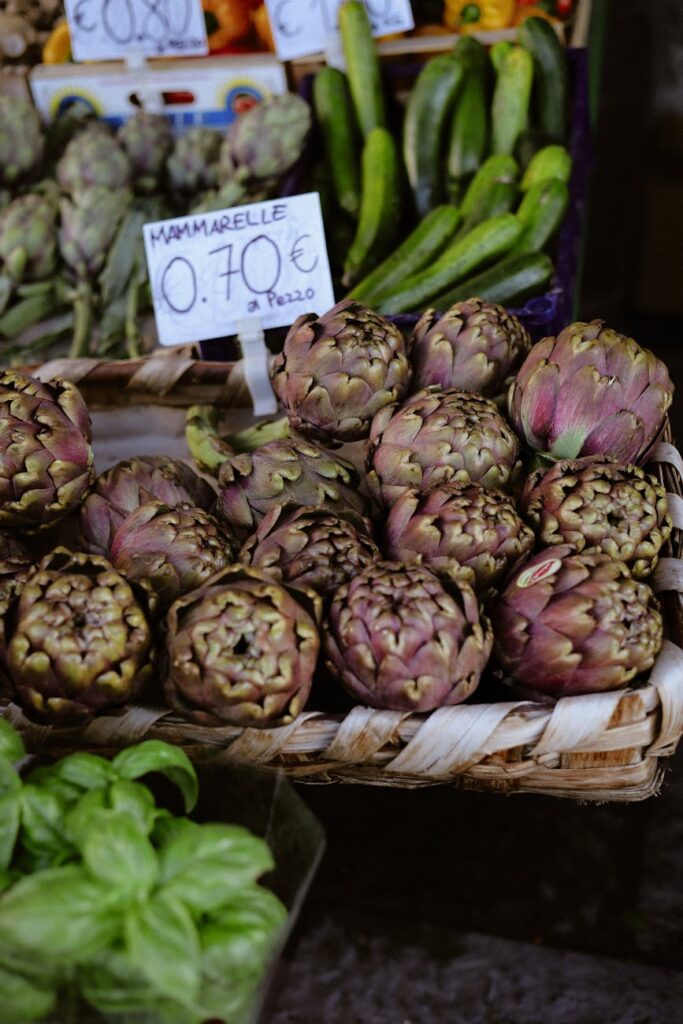
How Much Does Artichoke Cost?
Introduction
Artichokes, with their unique flavor and striking appearance, have captivated culinary enthusiasts and home cooks alike. As a versatile ingredient, they can be used in a variety of dishes, from salads to entrées. However, understanding the cost of artichokes is crucial for both consumers and food industry professionals. This article delves into the intricacies of buying artichokes, exploring their history, production, quality considerations, and practical aspects of purchasing this intriguing vegetable.
What Is Buying?
In the context of food ingredients, buying refers to the process of acquiring products for consumption or sale. This encompasses several elements, including understanding market prices, evaluating quality, and making informed decisions based on seasonality and availability. For artichokes, buying entails not only knowing the financial implications but also being aware of factors that influence pricing, such as geographic location and market trends.
History and Origins
The artichoke, scientifically known as Cynara scolymus, is a member of the thistle family and is native to the Mediterranean region. Archaeological evidence suggests that artichokes have been cultivated since ancient times, particularly in regions like Italy and Egypt. They were revered in ancient Rome and were believed to have aphrodisiac properties.
Artichokes made their way to the United States in the 19th century, primarily through immigrants from Europe. California emerged as the primary growing region, with Castroville being dubbed the “Artichoke Capital of the World.” Understanding the historical background of artichokes can provide context for their current market presence and pricing.
Production and Processing
The production of artichokes is a complex process that involves several stages, from planting to harvesting and processing. Artichokes thrive in temperate climates, with California producing approximately 99% of the U.S. supply.
Growing Conditions
Artichokes require well-drained soil and ample sunlight, making the coastal regions of California ideal. The plants typically take about 18 months to mature. Factors such as climate fluctuations, water availability, and pest management can significantly impact crop yield and, consequently, market prices.
Harvesting
Artichokes are harvested when the buds are still closed and firm, which is crucial for flavor and texture. The harvesting process is labor-intensive, often requiring careful hand-picking to prevent damage. This labor-intensive nature can affect the overall cost of artichokes.
Processing
Once harvested, artichokes may undergo various processing methods, including washing, trimming, and packaging. Some artichokes are canned or frozen for extended shelf life, which can influence their market price compared to fresh varieties.
Quality and Grading
Quality is a significant factor in determining the price of artichokes. The U.S. Department of Agriculture (USDA) provides grading standards that classify artichokes based on size, color, and firmness.
Grading Standards
1. U.S. Fancy: The highest quality, characterized by large size, uniform color, and tight buds.
2. U.S. No. 1: Slightly lesser quality, still offering good appearance and firmness but may have minor imperfections.
3. U.S. No. 2: This grade includes artichokes that may have noticeable defects or irregular sizes.
Artichokes that meet higher quality standards typically command higher prices in the market.
Buying Considerations
When purchasing artichokes, several considerations can affect both the cost and quality of the product.
Seasonality
Artichokes are typically in peak season from March to May. Prices may be lower during this time due to higher availability. Conversely, off-season purchases may result in higher costs as supply diminishes.
Location and Sourcing
The cost of artichokes can vary based on geographic location. Local markets may offer fresher options at lower prices, while imported artichokes may incur additional shipping costs. Understanding local sourcing can help consumers make informed purchasing decisions.
Size and Variety
Artichokes come in various sizes and types, including globe, baby, and purple artichokes. Prices can fluctuate based on size, with larger artichokes often being more expensive due to their perceived value and culinary applications.
Organic vs. Conventional
Organic artichokes, grown without synthetic pesticides or fertilizers, typically cost more than their conventional counterparts. Consumers should weigh the benefits of organic produce against the price difference when making purchasing decisions.
Uses and Applications
Artichokes are celebrated for their versatility in the culinary world. They can be prepared in numerous ways, including grilling, steaming, roasting, or using them in dips. Their unique flavor pairs well with a variety of ingredients, making them a popular choice in Mediterranean and contemporary cuisine.
Culinary Applications
- Salads: Artichokes can be served fresh or marinated in salads, adding a distinctive texture and flavor.
- Dips: Artichoke dip is a classic appetizer, often combined with cheese or mayonnaise to enhance its richness.
- Pasta Dishes: They can be incorporated into pasta, imparting their flavor to the dish and providing a nutritious element.
Understanding the various applications can help consumers appreciate the value of artichokes and justify their cost.
Storage and Shelf Life
Proper storage is essential to maintain the quality of artichokes and extend their shelf life.
Fresh Artichokes
Fresh artichokes should be stored in the refrigerator, ideally in a produce bag to retain moisture. When stored correctly, they can last up to a week. However, as they age, they may lose their firmness and flavor.
Processed Artichokes
Canned or frozen artichokes can last significantly longer, with shelf lives extending to several years. However, consumers should always check expiration dates and inspect packaging for quality before purchasing.
Common Misconceptions
Despite their popularity, several misconceptions about artichokes can impact consumer decisions.
Misconception 1: Artichokes Are Expensive
While fresh artichokes may appear pricey, understanding the factors that influence their cost can help consumers appreciate their value. Seasonal buying and local sourcing can often mitigate higher prices.
Misconception 2: Artichokes Are Difficult to Prepare
Many people believe that artichokes are complicated to cook. In reality, with the right techniques, they can be easily prepared and enjoyed. Educational resources can aid those unfamiliar with cooking artichokes.
Misconception 3: All Artichokes Are the Same
Different varieties of artichokes offer distinct flavors and culinary uses. Recognizing this variety can enhance the cooking experience and broaden options for consumers.
Frequently Asked Questions
1. What factors influence the price of artichokes?
The price of artichokes is influenced by factors such as seasonality, geographic location, quality grading, and whether they are organic or conventional.
2. How can I tell if an artichoke is fresh?
Fresh artichokes should feel heavy for their size, have tightly closed leaves, and exhibit vibrant coloring. Avoid those with browning or wilted leaves.
3. Are organic artichokes worth the extra cost?
Organic artichokes are grown without synthetic pesticides and fertilizers, which may appeal to health-conscious consumers. Whether they are worth the cost depends on personal values and preferences.
4. How long can I store fresh artichokes?
When stored properly in the refrigerator, fresh artichokes can last up to a week. For optimal freshness, consume them as soon as possible after purchase.
5. Can I freeze artichokes?
Yes, you can freeze artichokes. It’s recommended to blanch them briefly before freezing to preserve flavor and texture.
6. Where is the best place to buy artichokes?
Local farmers’ markets often provide the freshest options at competitive prices. Grocery stores may also offer a variety of artichokes, but prices can vary based on sourcing and seasonality.
Conclusion
Understanding the complexities of buying artichokes can empower consumers and culinary professionals alike to make informed decisions. From the historical context to production nuances and quality considerations, the factors influencing the cost of artichokes are multifaceted. By recognizing these elements, buyers can appreciate the true value of this unique ingredient and enhance their culinary experiences. Whether you’re purchasing fresh artichokes at a local market or exploring processed varieties, a well-informed approach will lead to satisfying and flavorful outcomes.