
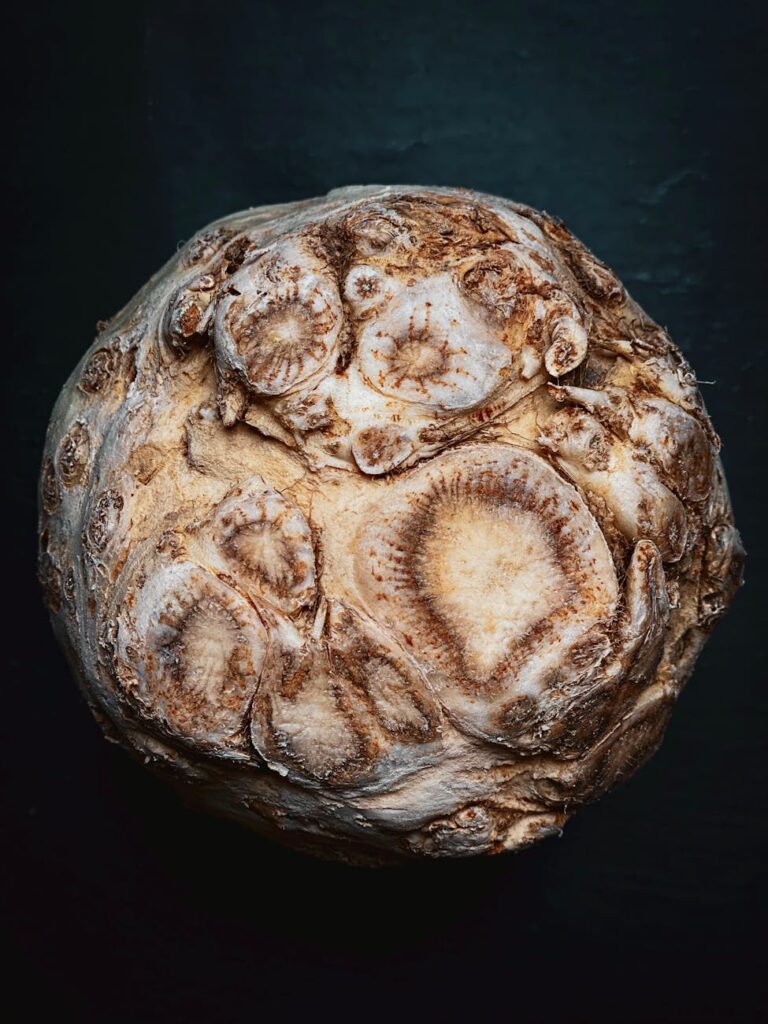
How Much Does Celeriac Cost?
Introduction
Celeriac, also known as celery root or knob celery, is an often-overlooked root vegetable with a rich, nutty flavor and versatile culinary applications. As interest in root vegetables continues to grow, understanding the cost of celeriac is essential for consumers, chefs, and food buyers alike. This article delves into the various factors that influence the price of celeriac, providing insights for those looking to purchase this unique ingredient.
What Is Buying?
Buying, in the context of food ingredients, refers to the process of acquiring products for personal use, commercial purposes, or culinary endeavors. It involves evaluating various factors, including quality, price, availability, and sourcing. For celeriac, this process can vary significantly based on geographical location, demand, and market conditions. Understanding these factors helps consumers make informed decisions and ensures they get the best value for their purchases.
History and Origins
Celeriac is believed to have originated in the Mediterranean region, where it was cultivated as early as the 5th century BC. Initially, it was primarily valued for its leaves and seeds, which were used for flavoring. Over time, the root became a sought-after vegetable, particularly in Europe, where it gained popularity during the Middle Ages.
The cultivation of celeriac spread throughout Europe, especially in countries like France, Italy, and Germany, where it became a staple in various traditional dishes. While it has gained traction in modern cuisine, celeriac remains less common in certain regions, which can affect its availability and pricing.
Production and Processing
Celeriac is primarily grown in temperate climates, thriving in well-drained soil with ample moisture. The crop typically requires a growing season of approximately 120 to 150 days, depending on the variety. Major producers include countries like France, the Netherlands, and the United States.
After harvesting, celeriac is processed minimally. It is usually washed and sorted before being packaged for distribution. Some producers may offer pre-peeled or pre-cut options for convenience, which can influence the price. The method of cultivation—whether organic or conventional—also plays a significant role in determining the cost.
Quality and Grading
The quality of celeriac is assessed based on several criteria, including size, shape, firmness, and the absence of blemishes or rot. Higher-quality celeriac tends to be more expensive, as it often comes from well-maintained farms that adhere to strict agricultural practices.
Grading systems may vary by region, but generally, celeriac is classified into different grades:
- Grade A: These are the highest quality roots, characterized by uniform size, smooth skin, and no visible defects.
- Grade B: Slightly less uniform and may have minor blemishes, but still suitable for most culinary applications.
- Grade C: These roots may have significant imperfections or be smaller in size. While still edible, they are often used in processed food products.
- Refrigeration: Store celeriac in the vegetable crisper drawer of the refrigerator, ideally wrapped in a damp paper towel and placed in a perforated plastic bag to maintain moisture.
- Avoid Moisture: Excess moisture can lead to mold growth, so it’s important to keep celeriac dry and well-ventilated.
- Avoid Ethylene Gas: Keep celeriac away from ethylene-producing fruits, such as apples and bananas, as this gas can accelerate spoilage.
Understanding these grades can help buyers make informed purchasing decisions.
Buying Considerations
When purchasing celeriac, several factors should be taken into account:
1. Freshness: Look for firm, heavy roots with no soft spots or signs of decay. Fresh celeriac will have a crisp texture and a pleasant earthy aroma.
2. Seasonality: Celeriac is typically in season from late fall to early spring. Prices may fluctuate outside this window, as availability decreases.
3. Organic vs. Conventional: Organic celeriac often carries a higher price tag due to the more labor-intensive farming practices. However, many consumers are willing to pay a premium for products grown without synthetic pesticides and fertilizers.
4. Location: Prices can vary significantly depending on the region. Urban areas may have higher costs due to transportation and storage expenses, while rural areas with local farms may offer more competitive pricing.
5. Form: Whole celeriac roots are usually less expensive than pre-peeled or pre-cut options. If you are comfortable preparing the vegetable yourself, buying whole roots can be a cost-effective choice.
6. Supplier: Local farmers’ markets may offer fresher options at competitive prices compared to supermarkets, where celeriac may have been stored for longer periods.
Uses and Applications
Celeriac is a versatile ingredient used in a variety of culinary applications. It can be roasted, mashed, or pureed and is often included in soups, stews, and salads. Its unique flavor profile pairs well with a range of other ingredients, making it a favorite among chefs.
In addition to its culinary uses, celeriac is also valued for its aesthetic appeal. It can serve as a decorative element in dishes, adding both visual interest and texture. Its adaptability in various cuisines, from European to Asian, further enhances its desirability.
Storage and Shelf Life
Proper storage is crucial for maintaining the quality of celeriac. When stored in a cool, dark, and humid environment, celeriac can last several weeks to a few months. Ideal conditions include:
Understanding these storage techniques can help consumers maximize the shelf life of celeriac, ensuring they get the most value from their purchase.
Common Misconceptions
Despite its growing popularity, several misconceptions about celeriac persist:
1. It’s Just Celery: Many people