
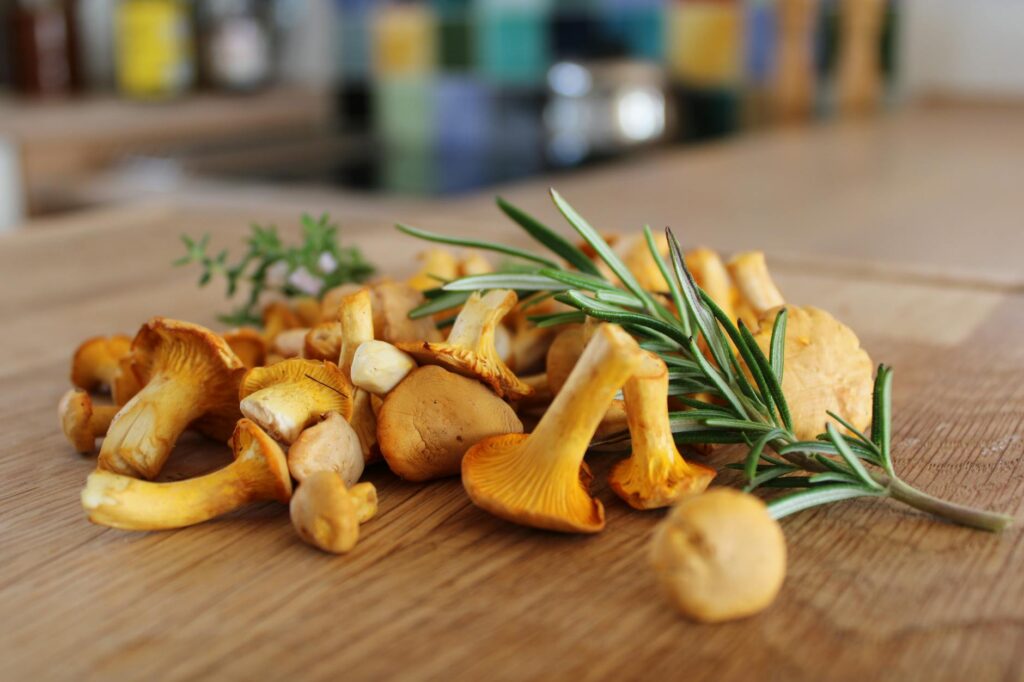
How Much Do Chanterelle Mushrooms Cost?
Introduction
Chanterelle mushrooms, known for their delicate flavor and beautiful golden color, are highly sought after in the culinary world. A staple in gourmet cuisine, these wild mushrooms can elevate any dish, making them a favorite among chefs and home cooks alike. However, understanding the cost of chanterelle mushrooms requires a deeper dive into their market dynamics, from sourcing and seasonal availability to quality grading and storage considerations. This comprehensive guide will navigate through these aspects, providing you with the insights needed to make informed purchasing decisions.
What Is Buying?
Buying refers to the process of acquiring goods or services in exchange for currency. When it comes to food ingredients like chanterelle mushrooms, buying involves various considerations including sourcing, pricing, quality, and availability. The process is not merely transactional; it encompasses an understanding of market trends, seasonal variations, and the nuances of the ingredient itself. For chefs and culinary enthusiasts aiming for authenticity in their dishes, knowing how to buy high-quality chanterelles can significantly impact the overall dining experience.
History and Origins
Chanterelle mushrooms belong to the genus Cantharellus and are native to temperate and tropical regions worldwide. Historical records show that these fungi have been consumed since ancient times, particularly in Europe and Asia. While there is evidence of chanterelles being foraged as far back as the Middle Ages, they gained prominence in the culinary world during the late 20th century as chefs began to appreciate their unique flavor profile.
In many cultures, chanterelles are not only valued for their taste but also for their role in local culinary traditions. For instance, in Scandinavian countries, they are celebrated during the mushroom-hunting season, leading to a rich cultural heritage surrounding foraging and cooking with wild mushrooms.
Production and Processing
Chanterelle mushrooms are primarily foraged rather than cultivated, which greatly influences their availability and pricing. They thrive in specific environments, typically growing in coniferous and deciduous forests, often in association with certain tree species.
The foraging season varies depending on the geographical region. In North America, chanterelles are typically harvested from late spring through early fall, while in Europe, the season may begin earlier. The harvesting process is labor-intensive; foragers must be skilled at identifying the mushrooms to avoid poisonous varieties. Once collected, chanterelles are usually cleaned, and some may be dried or frozen for longer shelf life.
The rarity and labor involved in harvesting contribute significantly to their market price. Fresh chanterelles can range from $20 to $40 per pound in North America, while dried or processed versions may vary in price depending on quality and packaging.
Quality and Grading
The quality of chanterelle mushrooms can greatly influence their cost. Factors such as size, color, and firmness play a crucial role in determining their grade. Higher-quality chanterelles are typically larger, with a vibrant color and a firm texture.
Grading systems may vary by region, but the general categories include:
- Grade A: These mushrooms are the highest quality, featuring a vibrant color, firm texture, and no signs of decay or damage.
- Grade B: Slightly lower in quality, Grade B chanterelles may have minor blemishes or be slightly smaller.
- Grade C: These are often used in processed forms, such as sauces or soups, and may show signs of deterioration.
- Sauteed or Stir-Fried: Quickly cooking chanterelles in butter or oil allows their flavor to shine, making them a great addition to pasta, risotto, or as a side dish.
- Soups and Sauces: Chanterelles can elevate broths and sauces, adding depth and richness.
- Garnishes: Their vibrant color and unique shape make them an excellent garnish for various plates, enhancing both flavor and visual appeal.
- Chanterelles are typically foraged rather than cultivated, making their harvesting labor-intensive and seasonal, which drives up their market price.
- Fresh chanterelles should have a firm texture, vibrant color, and a pleasant aroma. Avoid any that appear slimy or have dark spots.
- Yes, you can freeze chanterelles. Clean and sauté them briefly before freezing to maintain their flavor and texture.
- Chanterelles can be found at farmers’ markets, specialty grocery stores, and online retailers. Local foragers may also sell directly to consumers.
- Chanterelles can be sautéed, added to soups, or used as a garnish. Quick cooking methods help to preserve their delicate flavor.
- Yes, several mushrooms can be confused with chanterelles. Proper identification is crucial for foraging; consider consulting a local expert or guidebook.
When purchasing chanterelles, it’s essential to inspect them closely. Fresh chanterelles should have a pleasant earthy aroma, and the gills should be intact and free from moisture.
Buying Considerations
When buying chanterelle mushrooms, several factors come into play:
1. Seasonality: Understanding the harvesting season in your region is crucial. Fresh chanterelles are typically available from late spring to early fall. Off-season purchases may involve frozen or dried alternatives, which can also vary in quality.
2. Source: Whether purchasing from local farmers’ markets, specialty grocery stores, or online suppliers, sourcing plays a vital role in determining quality and price. Buying directly from foragers often ensures fresher and more flavorful mushrooms.
3. Price Variability: Prices can fluctuate based on demand, regional availability, and the current market. During peak season, prices are usually lower, while off-season availability can drive costs up significantly.
4. Storage Needs: Fresh chanterelles have a short shelf life and should be consumed within a few days of purchase. If buying in bulk, consider your storage options and whether you’ll need to freeze or dry them for later use.
5. Ethical Sourcing: As foraging practices can affect local ecosystems, consider sourcing chanterelles from suppliers who prioritize sustainable harvesting methods. This not only ensures quality but also supports responsible foraging.
Uses and Applications
Chanterelle mushrooms are incredibly versatile in the kitchen. Their unique flavor, often described as nutty and peppery, enhances a variety of dishes. Common uses include:
While they can be enjoyed fresh, dried chanterelles can also be rehydrated and used in various applications. However, the flavor profile may differ slightly, so it’s essential to adjust cooking methods accordingly.
Storage and Shelf Life
Proper storage is key to maintaining the quality of chanterelle mushrooms. Fresh chanterelles should be stored in a paper bag in the refrigerator, where they can last for up to a week. Avoid sealing them in plastic, as this can lead to moisture buildup and spoilage.
If you have purchased dried chanterelles, keep them in a cool, dark, and dry place. Properly stored, they can last for several months. Rehydrating dried chanterelles is simple and involves soaking them in warm water or broth for about 20-30 minutes before use.
Common Misconceptions
1. Chanterelles Are Always Expensive: While fresh chanterelles can be pricey, prices can vary significantly based on season and source. Buying directly from foragers or during peak season can yield better prices.
2. All Chanterelles Are the Same: Not all chanterelles are created equal. Factors such as geographic origin, harvesting methods, and storage conditions can affect both flavor and price.
3. Dried Chanterelles Are Inferior: While fresh chanterelles have a unique flavor, high-quality dried chanterelles can be just as flavorful when rehydrated properly.
4. Chanterelles Are Easy to Forage: Foraging for chanterelles requires skill and knowledge to avoid confusion with toxic varieties. It’s essential to be well-informed before attempting to forage.
5. Chanterelles Have No Seasonality: Chanterelles are seasonal and are best enjoyed fresh during their peak harvesting months. Off-season options may not provide the same quality.
Frequently Asked Questions
1. Why are chanterelle mushrooms so expensive?
2. How can I tell if chanterelle mushrooms are fresh?
3. Can I freeze chanterelle mushrooms?
4. Where can I buy chanterelle mushrooms?
5. What is the best way to cook chanterelles?
6. Do chanterelles have any toxic look-alikes?
Conclusion
Understanding the cost and considerations involved in buying chanterelle mushrooms is essential for anyone looking to enhance their culinary repertoire. From their rich history and seasonal availability to storage and quality grading, each aspect plays a vital role in ensuring you make informed purchasing decisions. Whether you’re a professional chef or a home cook, appreciating the nuances of chanterelle mushrooms will undoubtedly enrich your culinary experiences.