
How Much Does Fennel Cost?
Introduction
Fennel, an aromatic herb belonging to the Apiaceae family, has gained popularity in culinary circles for its unique flavor and versatility. Whether you are a professional chef or a home cook, understanding the costs associated with purchasing fennel is essential for effective meal planning and budgeting. This article delves into the various factors that influence fennel prices, including its history, production methods, and quality grading.
What Is Buying?
In the context of food ingredients, “buying” refers to the process of acquiring food products for personal or commercial use. This encompasses several considerations, including the source of the product, the pricing, quality, and availability. When it comes to fennel, this process can be influenced by various factors such as seasonality, location, and market demand. Understanding these elements can help consumers make informed purchasing decisions.
History and Origins
Fennel’s history dates back to ancient civilizations. Native to the Mediterranean region, it has been cultivated since antiquity, with evidence of its use found in ancient Egyptian tombs and Greek writings. The Romans recognized fennel for its culinary and medicinal properties, often incorporating it into their diet. Over the centuries, fennel spread across Europe and eventually made its way to other parts of the world, including North America, where it is now grown extensively.
Today, fennel is celebrated not only for its flavor but also for its nutritional benefits. The bulb, stalks, and fronds are all edible, making it a versatile ingredient in various cuisines.
Production and Processing
Fennel is primarily grown in temperate climates, with Italy, France, and California being notable producers. Its production involves several stages, including planting, cultivation, harvesting, and processing.
Cultivation
Fennel is typically planted in the spring or fall, depending on the climate. It thrives in well-drained soil with ample sunlight. The plants require regular watering and are sensitive to extreme temperatures. Organic and conventional farming methods can both be employed, which may influence the final price.
Harvesting
Harvesting fennel is a labor-intensive process. The bulbs are usually ready for harvest within 90 to 120 days after planting. Farmers must carefully cut the bulbs at the right time to ensure optimal flavor and texture. Post-harvest, fennel is usually washed and prepared for sale.
Processing
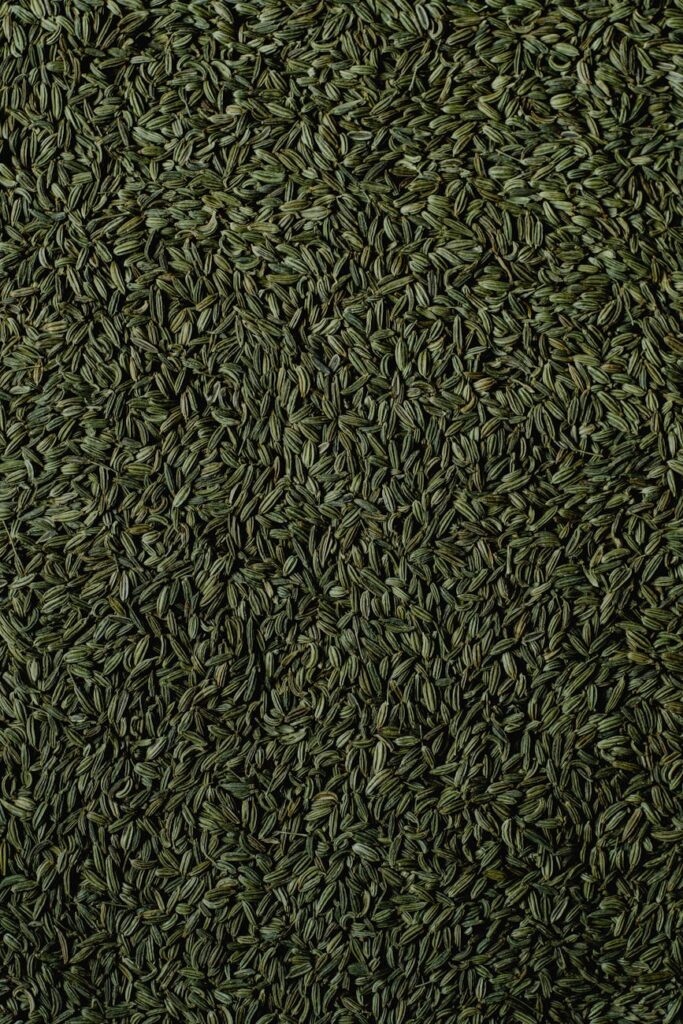
Fennel can be sold fresh, dried, or as an essential oil. Fresh fennel is commonly available in bulbs, fronds, and stalks, while dried fennel seeds are often used as a spice. The processing method can affect the cost; for example, fresh fennel tends to be more expensive than dried due to its shorter shelf life and higher transportation costs.
Quality and Grading
The quality of fennel can vary significantly, which in turn affects its price. Factors that determine the quality include:
Appearance
High-quality fennel bulbs should be firm and bulbous, with a crisp texture and vibrant color. They should be free from blemishes or signs of decay. The fronds should be bright green, indicating freshness.
Aroma
Fresh fennel has a sweet, anise-like aroma. When buying, it’s advisable to give the fennel a gentle squeeze; a strong, fragrant aroma is a sign of freshness.
Size and Weight
Larger bulbs may be sold at a premium, but this is not always indicative of better quality. Buyers should consider the intended use when selecting the size.
Grading Systems
In commercial markets, fennel is often graded based on quality, size, and appearance. Higher grades will fetch higher prices, while lower grades may be sold at a discount. Understanding these grading standards can provide insight into pricing.
Buying Considerations
When purchasing fennel, several factors should be taken into account to ensure you are getting the best value for your money:
Seasonality
Fennel is typically in season from late summer to early winter, although it may be available year-round in some regions. Prices can fluctuate based on seasonal availability, so buying in-season may yield better prices and fresher produce.
Source
Local farmers’ markets often provide fresher options at competitive prices. Organic fennel may cost more than conventionally grown fennel due to the methods used in its cultivation.
Form
As mentioned earlier, fennel is available in various forms—fresh, dried, or as seeds. Fresh fennel typically costs more due to its perishability, while dried fennel seeds may be more economical for long-term use.
Packaging
Fennel is often sold in bulk or pre-packaged. Bulk purchases can be more cost-effective but require proper storage to maintain freshness.
Uses and Applications
Fennel’s unique flavor profile makes it suitable for a diverse array of culinary applications. The bulb can be roasted, sautéed, or eaten raw in salads. The fronds can be used as an herb to garnish dishes, while the seeds are commonly used as a spice in both sweet and savory recipes.
Culinary Uses
- Salads: Fresh fennel adds a crunchy texture and unique flavor to salads.
- Soups and Stews: Fennel can enhance the flavor profiles of various dishes.
- Roasting: Roasted fennel develops a sweeter taste, making it an excellent side dish.
- Pickling: Fennel can be pickled for a tangy addition to sandwiches and charcuterie boards.
- Freshness at Purchase: The fresher the fennel at the time of purchase, the longer it will last.
- Storage Conditions: Temperature and humidity can significantly affect the shelf life.
- Processing Method: Dried fennel generally has a longer shelf life than fresh fennel.
Non-Culinary Uses
Fennel essential oil is often utilized in aromatherapy and natural cosmetics, which can also impact its market pricing.
Storage and Shelf Life
Proper storage is crucial for maintaining the quality of fennel. Fresh fennel should be stored in a plastic bag in the refrigerator, where it can last for about one to two weeks. Fennel seeds, when stored in a cool, dark place in an airtight container, can last for several months to a year.
Factors Affecting Shelf Life
Common Misconceptions
Despite its popularity, several misconceptions about fennel can lead to misunderstandings:
1. Fennel is Only Used in Italian Cuisine: While it is prominent in Italian dishes, fennel is used worldwide, particularly in Mediterranean, Middle Eastern, and Asian cuisines.
2. Fennel Tastes Like Licorice: While fennel does have an anise-like flavor, it is milder and more complex than just a licorice taste.
3. Fennel is Difficult to Cook With: Fennel is actually quite versatile and can be easily incorporated into many dishes with minimal effort.
Frequently Asked Questions
1. What is the average cost of fresh fennel?
The price of fresh fennel can vary widely, typically ranging from $1 to $3 per bulb in grocery stores, depending on the region and season.
2. How much do fennel seeds cost?
Fennel seeds generally cost between $5 to $15 per pound, depending on the quality and source, with organic seeds often on the higher end of the pricing spectrum.
3. Does the price of fennel fluctuate seasonally?
Yes, fennel prices can fluctuate based on seasonal availability, with prices often lower during peak harvest seasons.
4. What factors should I consider when buying fennel?
Consider the quality, size, source, and whether you prefer fresh or dried fennel, as these factors can significantly affect the price and flavor.
5. Can I grow fennel at home to save on costs?
Yes, fennel is relatively easy to grow at home, provided you have a suitable climate and conditions. This can be a cost-effective way to enjoy fresh fennel.
6. How can I tell if fennel is fresh when buying?
Look for firm bulbs with a crisp texture, vibrant color, and a strong aroma. Avoid bulbs with soft spots or blemishes, as these indicate spoilage.
In conclusion, understanding the costs associated with purchasing fennel is essential for making informed buying decisions. By considering factors like quality, seasonality, and intended use, consumers can ensure that they are receiving the best value for their investment. Whether you are enhancing your culinary repertoire or exploring new flavors, fennel remains a delightful and versatile ingredient in the kitchen.