
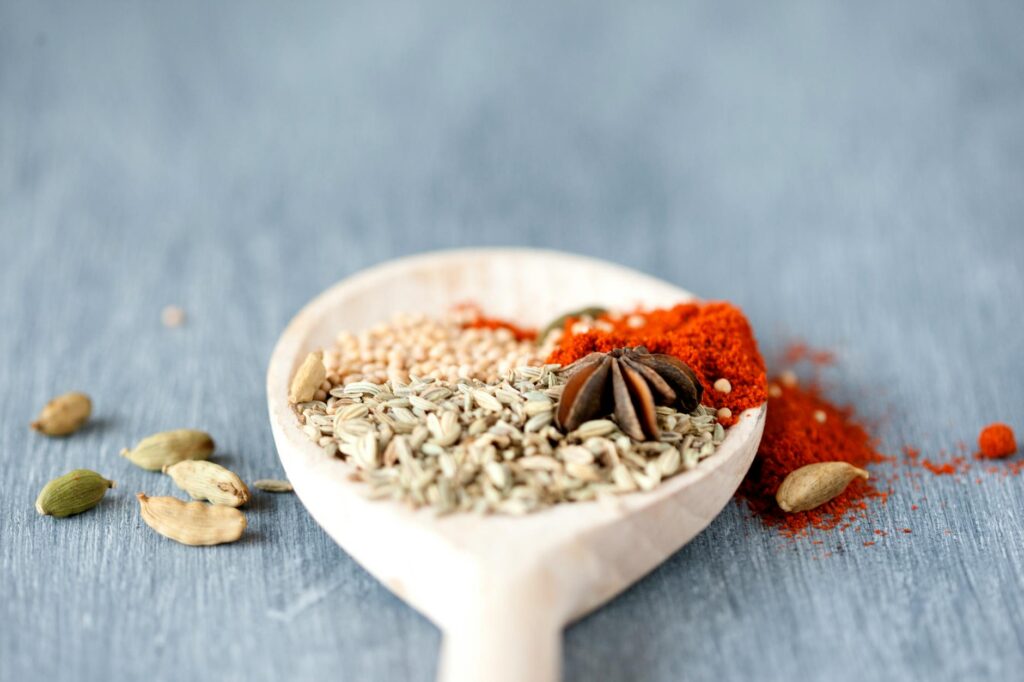
How Much Do Fennel Seeds Cost?
Introduction
Fennel seeds, with their distinct anise-like flavor and aromatic qualities, have been a staple in culinary traditions across the globe. As a versatile ingredient, they are not only celebrated for their culinary applications but also for their historical and cultural significance. Understanding the cost of fennel seeds involves an exploration of various factors, including their origins, production methods, quality grading, and market dynamics. This article provides a comprehensive guide to the costs associated with fennel seeds, along with insights into their usage, storage, and common misconceptions.
What Is Buying?
In the context of food ingredients, “buying” refers to the process of acquiring products for personal use or resale. This encompasses a range of considerations, including sourcing, pricing, quality assessment, and purchasing methods. When it comes to fennel seeds, understanding the buying process involves recognizing the diverse marketplaces available—ranging from local markets to online platforms—and the various factors that influence their prices.
History and Origins
Fennel (Foeniculum vulgare) is a flowering plant species in the carrot family, originally native to the Mediterranean region. Its seeds have been utilized for over 2,000 years, with historical records indicating their use in ancient Greek and Roman cuisines. Fennel seeds were prized not only for their flavor but also for their purported digestive benefits. Over the centuries, the cultivation of fennel has spread to various parts of the world, including India, China, and North Africa, leading to a diversity of culinary applications and cultural significance.
Production and Processing
The production of fennel seeds involves several stages, including cultivation, harvesting, and processing. Fennel is typically grown in temperate climates and thrives in well-drained soil. The seeds are harvested when they turn brown, and the plant’s umbels are collected and dried. After harvesting, fennel seeds undergo processing, which may include cleaning, sorting, and packaging.
The cost of fennel seeds can vary significantly based on the region of production, the scale of cultivation, and the methods used in processing. For example, organic fennel seeds may command a higher price due to the more labor-intensive farming practices required.
Quality and Grading
The quality of fennel seeds is determined by several factors, including size, color, aroma, and flavor. Grading systems often categorize fennel seeds into different quality levels:
1. Premium Grade: These seeds are typically larger, with a vibrant color and strong aroma. They are often sourced from the best-growing regions and undergo rigorous quality control.
2. Standard Grade: This grade includes seeds that are of good quality but may vary in size and aroma. They are suitable for general culinary use.
3. Lower Grade: Seeds that fall into this category may be smaller and less aromatic, often used for industrial purposes or lower-end products.
The grading of fennel seeds has a direct impact on their pricing, with premium-grade seeds commanding higher costs due to their superior quality.
Buying Considerations
When purchasing fennel seeds, several factors should be taken into account:
1. Source: Consider where the seeds are sourced from. Regions known for high-quality fennel, such as India and Egypt, often produce seeds that are more flavorful and aromatic.
2. Organic Certification: If you prefer organic products, look for certifications that ensure the seeds are grown without synthetic pesticides or fertilizers. Organic fennel seeds tend to be more expensive.
3. Packaging: Seeds sold in bulk may be more cost-effective, but ensure they are stored properly to maintain freshness. Pre-packaged seeds often come with a higher price tag due to convenience and branding.
4. Freshness: Check expiry dates and packaging dates when buying fennel seeds. Fresher seeds will have a more potent flavor and aroma.
5. Market Fluctuations: Prices can vary seasonally based on supply and demand. Being aware of market trends can help you time your purchases for better deals.
Uses and Applications
Fennel seeds are remarkably versatile and find applications in various cuisines. They can be used as a spice in savory dishes, baked goods, and even beverages. In Indian cuisine, fennel seeds are often included in spice blends such as panch phoron and garam masala. In Mediterranean cooking, they are commonly added to fish dishes and sausages.
Beyond culinary uses, fennel seeds also serve functional roles in the food industry, such as flavoring agents in processed foods, beverages, and even in the production of essential oils. Their diverse applications in both home cooking and industrial usage contribute to the overall demand and pricing dynamics.
Storage and Shelf Life
Proper storage is essential for maintaining the flavor, aroma, and overall quality of fennel seeds. Ideally, they should be stored in a cool, dark place in an airtight container to prevent exposure to moisture and light, which can lead to loss of flavor and spoilage.
The shelf life of fennel seeds can vary depending on storage conditions. Generally, whole fennel seeds can last for up to three years if stored properly, while ground fennel seeds may have a shorter shelf life of about six months to one year. For optimal use, purchase in quantities that can be consumed within these time frames.
Common Misconceptions
Several misconceptions surround fennel seeds that can affect buying decisions:
1. All Fennel Seeds Are the Same: There is variation in quality based on factors such as cultivation methods and geographic origin. Buyers should be discerning in their selections.
2. More Expensive Means Better Quality: While higher prices often correlate with better quality, it’s essential to assess the specific characteristics of the seeds rather than assume that cost alone determines quality.
3. Fennel Seeds Have No Culinary Value: Some may perceive fennel seeds as merely a decorative spice. In reality, they add a unique flavor profile and can enhance the taste of numerous dishes.
4. They Lose Flavor Quickly: While fennel seeds can lose potency over time, proper storage can significantly prolong their shelf life and flavor retention.
5. Fennel Seed Prices Are Stable: The cost of fennel seeds can fluctuate based on various factors, including crop yields, weather conditions, and global demand.
6. Only Available in Specialty Stores: Fennel seeds can often be found in both grocery stores and specialty markets, as well as online retailers.
Frequently Asked Questions
1. What is the average cost of fennel seeds?
The price of fennel seeds typically ranges from $5 to $15 per pound, depending on quality, source, and whether they are organic.
2. Where can I buy fennel seeds?
Fennel seeds are available at most grocery stores, specialty spice shops, and online marketplaces.
3. How can I tell if fennel seeds are fresh?
Fresh fennel seeds will have a strong aroma and vibrant color. If they smell musty or lack fragrance, they may be stale.
4. Are organic fennel seeds worth the extra cost?
Many chefs and cooks prefer organic fennel seeds for their flavor and assurance of pesticide-free cultivation, making them a worthwhile investment for those concerned about food quality.
5. Can I use old fennel seeds in cooking?
While old fennel seeds may still be safe to consume, their flavor and aroma may be diminished. Always check for freshness before use.
6. What should I do if I have leftover fennel seeds?
Store leftover fennel seeds in an airtight container in a cool, dark place. They can be used in a variety of dishes or ground into a powder for later use.
—
By understanding the various factors that influence the cost and quality of fennel seeds, buyers can make informed decisions that enhance their culinary experiences. Whether used in traditional recipes or as a modern seasoning, fennel seeds continue to be a valuable ingredient across various cuisines.