
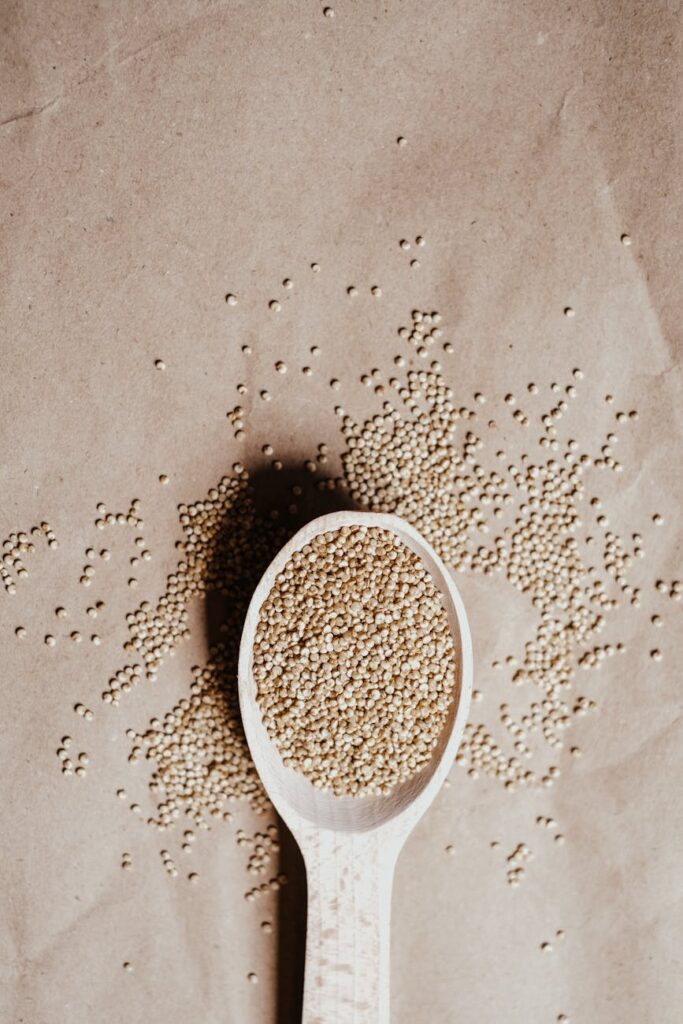
How Much Does Quinoa Cost?
Introduction
Quinoa has become a staple in many kitchens around the world, praised for its nutritional value and versatility. As more people become interested in incorporating this ancient grain into their diets, understanding its cost is essential. This article delves into the factors influencing the price of quinoa, examining everything from its historical context to its production processes, and providing valuable insights for consumers.
What Is Buying?
Buying, in the context of food ingredients like quinoa, refers to the process of sourcing and purchasing the product. Understanding the various aspects of buying quinoa—including where to find it, how to evaluate its quality, and what to consider when making a purchase—can significantly impact your culinary experience. Various factors influence the cost of quinoa, from its origins to market demand.
History and Origins
Quinoa (Chenopodium quinoa) is a grain-like seed that has been cultivated for thousands of years, primarily in the Andean region of South America. Indigenous cultures, such as the Incas, revered quinoa as a sacred crop, often referred to as the “mother grain.” Its resilience to harsh climates and high nutritional value made it a staple food source for these communities.
In the 1980s, quinoa began to gain international attention, particularly in health-conscious markets, as it is gluten-free and high in protein and essential amino acids. This growing demand has led to varied pricing structures, influenced by factors such as production methods, geographic location, and organic certification.
Production and Processing
The cost of quinoa is largely determined by its production and processing stages. Most quinoa is grown in Bolivia, Peru, and Ecuador, where the high-altitude conditions contribute to its unique flavor and texture. However, as its popularity has soared, quinoa cultivation has spread to other regions, including North America and Europe.
Cultivation
Quinoa is typically grown in dry, arid regions, requiring minimal irrigation. This adaptability can make it less resource-intensive than other grains, but the labor involved in harvesting and processing remains significant. Traditional farming methods often involve hand-harvesting, while some growers now employ mechanization, which can affect overall costs.
Processing
Once harvested, quinoa seeds must undergo processing to remove saponins—natural compounds that can impart a bitter flavor. This involves washing and rinsing the seeds, which adds to the overall production costs. Additionally, quinoa can be found in various forms, such as whole grains, flour, or flakes, each with its own associated price point.
Quality and Grading
Quality significantly impacts the cost of quinoa. The criteria for grading quinoa usually include seed size, color, and the presence of impurities. Higher-quality quinoa that is larger, cleaner, and free from defects is often priced higher. Organic certifications also contribute to increased costs due to the more stringent farming practices involved.
Types of Quinoa
There are several varieties of quinoa, including white, red, and black, each offering unique flavors and textures. White quinoa is the most common and generally the least expensive, while red and black varieties may command higher prices due to their distinct taste and nutritional profiles.
Buying Considerations
When purchasing quinoa, consumers should consider several factors that can influence both cost and quality:
1. Source: Where the quinoa is sourced can impact its price. Ethically sourced, fair-trade quinoa may be more expensive but supports sustainable farming practices.
2. Organic vs. Conventional: Organic quinoa is often pricier due to the methods used in cultivation and processing. However, many consumers are willing to pay a premium for organic products that align with their values.
3. Packaging: Quinoa is available in various package sizes, from bulk bins to branded bags. Bulk purchasing can often yield savings, but be cautious about freshness and storage conditions.
4. Location: Prices may vary significantly depending on geographic location. Urban areas with a high demand for health foods may see higher prices than rural locations.
5. Specialty Stores vs. Supermarkets: Specialty health food stores may charge more for quinoa compared to supermarkets, where it may be purchased at a lower price due to volume sales.
Uses and Applications
Quinoa is celebrated for its versatility across various culinary applications. It can be used in salads, side dishes, and as a substitute for rice or pasta. Additionally, it is increasingly found in snack foods, breakfast cereals, and even beverages. Its nutty flavor and unique texture make it a favorite ingredient for both home cooks and professional chefs alike.
Storage and Shelf Life
Proper storage is crucial for maintaining the quality of quinoa. When kept in a cool, dry place, uncooked quinoa can last for several years. Once cooked, quinoa should be stored in an airtight container in the refrigerator and consumed within a week for optimal freshness. Vacuum-sealed packaging can extend shelf life even further, making it a wise choice for bulk purchases.
Common Misconceptions
Despite its popularity, several misconceptions about quinoa persist:
1. Quinoa is a Grain: Technically, quinoa is a seed, not a true grain. However, it is often grouped with grains due to its culinary uses.
2. All Quinoa Tastes the Same: Different varieties of quinoa have distinct flavors. For example, red quinoa has a nuttier taste compared to the milder white variety.
3. Saponins are Harmful: While saponins can impart bitterness, they are not harmful and can be removed through proper rinsing and cooking.
4. Quinoa is Inexpensive: While prices can vary, high-quality quinoa, particularly organic or fair-trade versions, can be quite costly compared to other grains.
Frequently Asked Questions
1. What is the average cost of quinoa?
The price of quinoa can range from $2 to $6 per pound, depending on quality, source, and other factors. Organic or specialty varieties may be priced higher.
2. Why is quinoa so expensive?
The cost of quinoa is largely influenced by its labor-intensive cultivation, processing requirements, and increasing global demand. Ethical sourcing practices also contribute to higher prices.
3. Can I buy quinoa in bulk?
Yes, many health food stores and online retailers offer quinoa in bulk. Purchasing in larger quantities can often lead to savings, but ensure proper storage to maintain freshness.
4. Is there a difference in price between red, black, and white quinoa?
Yes, prices can vary among different quinoa varieties. Generally, white quinoa is the least expensive, while red and black quinoa may be priced higher due to their unique characteristics and lower availability.
5. How can I tell if quinoa is of high quality?
High-quality quinoa should be free from impurities and have a uniform size and color. Additionally, it should be free from any off-putting odors, indicating freshness.
6. Where can I find quinoa?
Quinoa is widely available in supermarkets, health food stores, and online retailers. Specialty stores may offer a broader selection, including organic and fair-trade options.
Conclusion
Understanding the cost of quinoa involves considering a multitude of factors—from its historical roots and production processes to the quality of the product and where it is purchased. As consumers increasingly seek out nutritious and versatile ingredients, quinoa remains a powerful player in the global food market. By being informed about its pricing and sourcing attributes, you can make educated choices that align with both your culinary needs and ethical considerations.