
How Nori Is Produced
Introduction
Nori, the beloved seaweed that has become a staple in Japanese cuisine and a popular ingredient in global culinary practices, is much more than a simple wrapping for sushi. Its production is a meticulous process that harmonizes traditional techniques with modern innovations. Understanding how nori is produced not only enriches our appreciation for this unique ingredient but also highlights the sustainable practices involved in its cultivation. This article delves deeply into the history, production, processing, and various applications of nori, offering a comprehensive overview for culinary enthusiasts and professionals alike.
What Is Nori?
Nori refers to edible seaweed, specifically from the species Porphyra, which thrives in coastal waters. It is typically harvested, dried, and pressed into sheets, characterized by its dark green to black color. Nori is rich in nutrients, including protein, vitamins, and minerals, making it a versatile ingredient in various dishes, particularly sushi. However, its applications extend far beyond sushi rolls, as it can be used in soups, salads, and snacks, showcasing its global culinary relevance.
History and Origins
Nori has a long and storied history that dates back over a thousand years. The earliest records of nori cultivation can be traced to Japan during the Heian period (794-1185 AD). Initially, nori was harvested from natural sources along the coastline and consumed in a variety of forms. It was not until the Edo period (1603-1868 AD) that nori cultivation began to be formalized, with the introduction of cultivation techniques involving the attachment of spores to nets.
From Japan, nori gradually made its way to other parts of the world, particularly during the 20th century. As sushi gained international popularity, nori’s presence in global cuisine expanded, leading to innovative uses in various culinary contexts.
Production and Processing
Cultivation
The cultivation of nori primarily occurs in coastal areas where waters are nutrient-rich. The process begins with the selection of appropriate sites, often characterized by calm, shallow waters with plenty of sunlight. Farmers typically use a method called “spore seeding,” where the spores of Porphyra are introduced to nets or ropes submerged in the ocean.
Once the spores settle, they grow into small, leafy plants. This growth phase can take anywhere from 30 to 60 days, depending on environmental conditions such as temperature and water quality. Farmers monitor the growth carefully, ensuring that the plants receive adequate sunlight and nutrients.
Harvesting
When the nori reaches the desired size, it is carefully harvested, typically by hand. Harvesting usually occurs during low tide to minimize damage to the aquatic ecosystem. The harvested seaweed is then washed to remove any impurities and sand. This step is crucial for maintaining the quality of the final product.
Drying
Following washing, the nori undergoes a drying process to preserve its freshness and enhance its flavor. Traditionally, this was done using sunlight, but modern techniques often utilize controlled drying machines to achieve consistent results. The drying process can take several hours and is vital in ensuring that the nori retains its distinctive color and texture.
Roasting and Pressing
After drying, the nori is roasted at low temperatures to enhance its flavor and aroma. This step also makes the nori more pliable, allowing it to be easily shaped into sheets. The roasted nori is then pressed into large, thin sheets, which are cut to various sizes depending on their intended use.
Quality and Grading
The quality of nori is determined by various factors, including color, flavor, texture, and the presence of impurities. High-quality nori should have a vibrant color, a rich umami flavor, and a crisp texture.
Grading systems often categorize nori into different classes, typically labeled as A, B, and C. Class A nori is the highest quality, characterized by a dark, vibrant color, minimal blemishes, and a robust flavor. Class B may have slight imperfections but is still suitable for most culinary applications. Class C nori is often used for processing or as an ingredient in other products.
Buying Considerations
When purchasing nori, several factors should be considered to ensure quality and freshness:
1. Type: Nori can be found in various forms, including sheets, flakes, and snacks. Choose the type that best suits your culinary needs.
2. Origin: Japanese nori is often considered superior due to its rich flavor and traditional cultivation methods. However, nori is also produced in countries like Korea and China, where different varieties may be available.
3. Packaging: Look for nori that is sealed and protected from moisture, as exposure can lead to a loss of texture and flavor.
4. Expiration Date: Always check the expiration date to ensure freshness. Nori is best when consumed within a few months of production.
5. Texture: High-quality nori should be crisp and snap easily when bent. Avoid any that feels soft or has a limp texture.
Uses and Applications
Nori’s versatility makes it a valuable ingredient in numerous culinary applications:
- Sushi: The most well-known use of nori is as a wrapping for sushi rolls, providing a perfect balance of flavor and texture.
- Snacks: Roasted nori sheets are often seasoned and sold as snacks, appealing to health-conscious consumers seeking low-calorie options.
- Soups and Salads: Nori can be shredded and added to soups or salads, enhancing flavor and nutritional value.
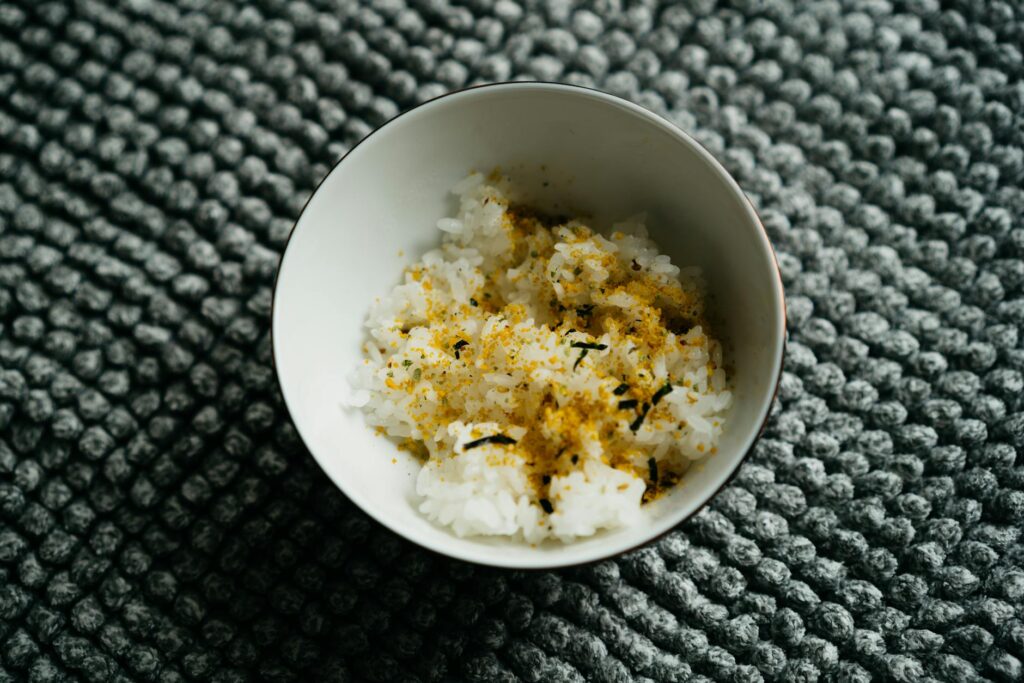
- Garnishes: Crumbled nori can serve as a garnish for various dishes, adding a touch of umami.
- Vegan and Vegetarian Cuisine: Nori is often used to impart a seafood-like flavor in plant-based dishes, making it a popular choice among vegans and