
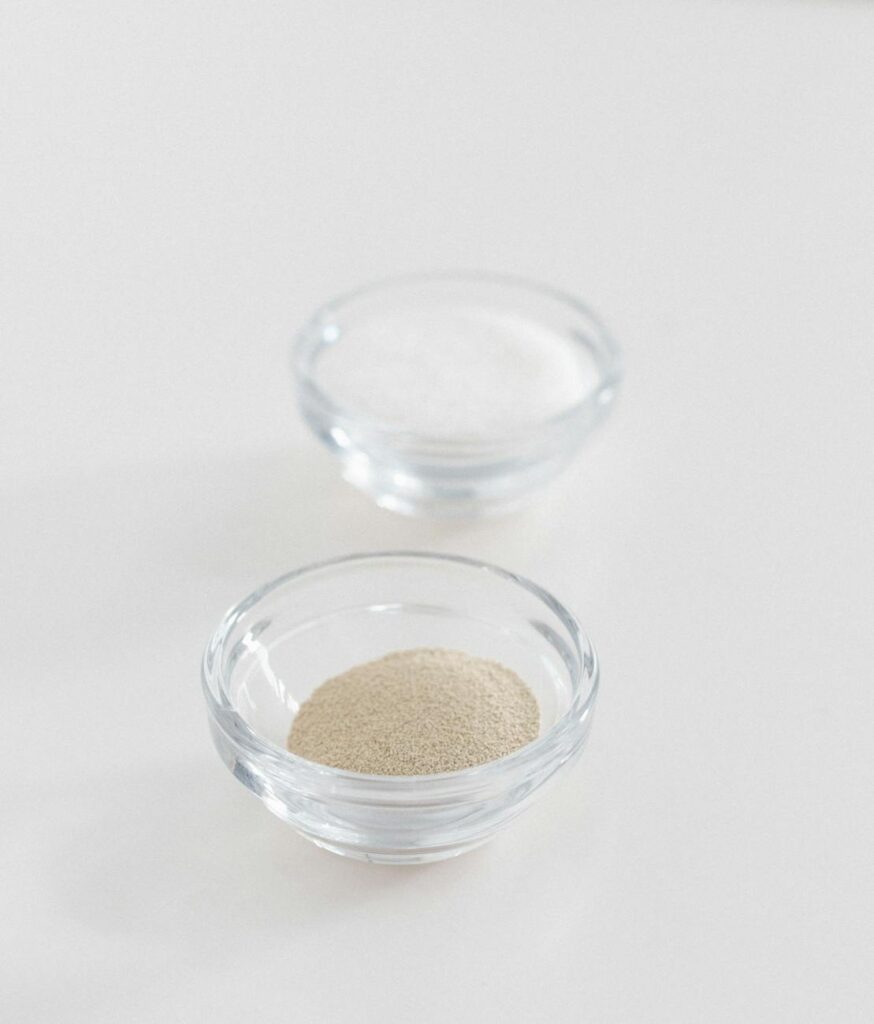
How Nutritional Yeast Is Farmed Commercially
Introduction
Nutritional yeast has gained considerable popularity as a staple ingredient in vegan and vegetarian diets, celebrated for its cheesy flavor and high nutritional value. However, many people are unaware of the intricate farming and production processes that bring this ingredient from the farm to their kitchen. This article delves into the commercial farming of nutritional yeast, exploring its history, production methods, quality grading, and more.
What Is Growing?
In the context of food production, ‘growing’ refers to the cultivation of organisms, whether plants, animals, or microorganisms, that are harvested for consumption or other uses. Nutritional yeast, a deactivated form of Saccharomyces cerevisiae, is a type of yeast that is cultivated specifically for its nutritional properties. The growing process involves a series of meticulously controlled conditions that promote the optimal development of yeast cells.
History and Origins
The origins of nutritional yeast date back to the late 19th century when it was first isolated from the brewing industry. Initially regarded as a byproduct of beer production, nutritional yeast was later recognized for its rich protein content and B vitamins. The first commercial production of this yeast occurred in the 1950s, coinciding with the rise of vegetarianism and veganism. Today, it is a global industry, with major production facilities located in the United States, Europe, and Asia.
Production and Processing
Cultivation
The cultivation of nutritional yeast begins with the selection of high-quality yeast strains. Saccharomyces cerevisiae is grown in a nutrient-rich medium, typically composed of molasses, which provides the sugars necessary for fermentation. This substrate is supplemented with vitamins and minerals to enhance the nutritional profile of the yeast.
Fermentation
Once the medium is prepared, yeast cells are inoculated into it and placed in large fermentation tanks. Under controlled conditions of temperature, pH, and aeration, the yeast cells rapidly multiply. This fermentation process can take anywhere from 24 to 48 hours, during which the yeast converts sugars into proteins, vitamins, and minerals.
Harvesting
After fermentation, the yeast is harvested through a process called centrifugation, which separates the yeast from the liquid medium. The harvested yeast is then washed and pasteurized to eliminate any active cells, rendering it inactive or ‘deactivated.’ This step is crucial, as it ensures that the yeast cannot ferment sugars in food products.
Drying
The deactivated yeast is subsequently dried to reduce moisture content and extend shelf life. This is typically done using spray-drying or drum-drying methods. Spray-drying involves spraying the yeast into a hot chamber, where it is rapidly dried, while drum-drying spreads it over heated drums, creating flaked yeast. The drying process not only preserves the nutrients but also enhances the shelf stability of nutritional yeast.
Packaging
Once dried, nutritional yeast is packaged in various forms, including powder, flakes, and granules. These packages are sealed to prevent moisture and light from degrading the product. Nutritional yeast is often sold in bulk to food manufacturers or in retail packages for consumers.
Quality and Grading
The quality and grading of nutritional yeast are determined by several factors, including the strain of yeast used, the fermentation process, and the drying method. High-quality nutritional yeast is characterized by a bright yellow color, a nutty, cheesy flavor, and a fine texture.
Nutritional Content
Reputable producers conduct rigorous testing to ensure that their nutritional yeast meets specific standards for protein content, vitamins, and minerals. Most nutritional yeast contains significant amounts of B vitamins, including B12, which is often added during production. The presence of amino acids and other nutrients can vary based on the cultivation medium and processing techniques.
Certifications
Consumers should look for certifications such as organic or non-GMO, which indicate that the nutritional yeast has been produced without synthetic pesticides or genetically modified organisms. Additionally, some brands may carry certifications for gluten-free or vegan products, further assuring quality.
Buying Considerations
When purchasing nutritional yeast, consumers should consider several factors to ensure they are getting the highest quality product.
Form
Nutritional yeast is available in various forms, including flakes, powder, and granules. Flakes are often preferred for their texture and ease of use, while powder offers a finer consistency ideal for blending into sauces or smoothies.
Brand Reputation
Choosing a reputable brand is crucial for ensuring quality. Researching manufacturer practices, sourcing, and customer reviews can help in selecting a trustworthy product.
Nutritional Profile
Reading the nutritional label is essential. Look for a product that lists high protein content and significant amounts of B vitamins, particularly if you are using it as a dietary supplement.
Price
Price can vary significantly between brands and product types. While it is tempting to opt for cheaper options, lower prices may indicate compromised quality or inferior sourcing practices.
Uses and Applications
Nutritional yeast is a versatile ingredient with a variety of culinary applications. It is commonly used as a flavor enhancer in soups, sauces, and dressings, imparting a savory, umami quality. Additionally, it serves as a cheese substitute in vegan recipes, adding richness to dishes such as macaroni and cheese, popcorn toppings, and salad dressings.
Beyond culinary uses, nutritional yeast is also popular in health food circles for its nutritional profile. It can be added to smoothies, sprinkled on pasta, or incorporated into energy bars, making it an accessible way to boost overall nutrient intake.
Storage and Shelf Life
Proper storage is essential to maintain the quality and longevity of nutritional yeast. It should be kept in an airtight container in a cool, dry place, away from direct sunlight. When stored correctly, nutritional yeast can retain its quality for 2 to 3 years. However, it is advisable to check the expiration date on the packaging and perform a sensory evaluation—checking for off odors or changes in color—before use.
Common Misconceptions
Despite its popularity, nutritional yeast is often surrounded by misconceptions. One common belief is that it can replace active yeast in baking. In reality, nutritional yeast is deactivated and does not have leavening properties, making it unsuitable for use as a baking agent.
Another misconception is that nutritional yeast is a complete protein. While it is rich in protein and contains many essential amino acids, it is not classified as a complete protein source, as it lacks sufficient levels of certain amino acids, such as lysine. It is best used as part of a varied diet to ensure adequate protein intake.
Frequently Asked Questions
1. What is nutritional yeast?
Nutritional yeast is a deactivated form of the yeast Saccharomyces cerevisiae, often used as a flavor enhancer and nutritional supplement in various dishes.
2. Is nutritional yeast gluten-free?
Most nutritional yeast products are gluten-free, but it is essential to check the packaging for specific gluten-free certifications.
3. Can I use nutritional yeast in baking?
No, nutritional yeast is deactivated and cannot be used as a leavening agent in baking. It is primarily used for its flavor and nutritional benefits.
4. How should I store nutritional yeast?
Store nutritional yeast in an airtight container in a cool, dry place, away from sunlight to preserve its quality and extend its shelf life.
5. Is nutritional yeast safe for everyone?
Nutritional yeast is generally safe for most people, but those with yeast allergies or certain dietary restrictions should consult with a healthcare provider before incorporating it into their diets.
6. How can I incorporate nutritional yeast into my diet?
Nutritional yeast can be sprinkled on popcorn, mixed into sauces, blended into smoothies, or used as a seasoning for various dishes to enhance flavor and nutrition.
In conclusion, the commercial farming of nutritional yeast is a complex process that involves careful cultivation, processing, and quality control. Understanding these aspects can enhance appreciation for this versatile ingredient that continues to grow in popularity worldwide.