
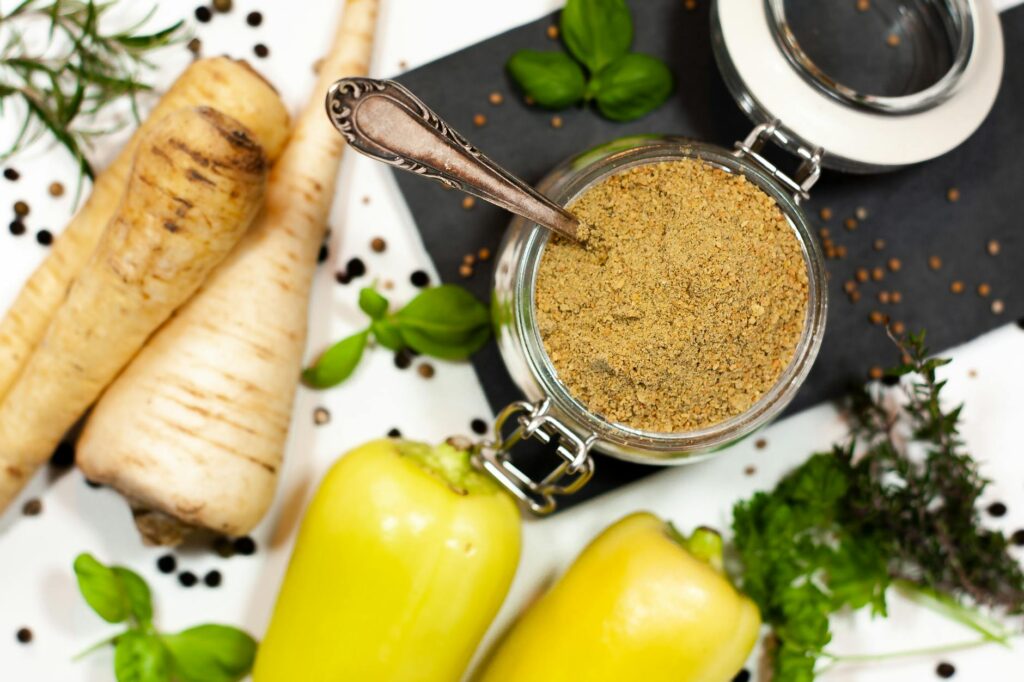
How Parsnip Is Produced
Introduction
Parsnips, with their creamy white color and sweet, nutty flavor, are a root vegetable that has earned a place of prominence in culinary traditions around the globe. Resilient and versatile, parsnips are celebrated not just for their unique taste but also for their historical significance and nutritional value. This article delves into the production of parsnips, exploring their history, cultivation methods, quality assessment, and usage in various culinary applications.
What Is About?
Parsnips (Pastinaca sativa) belong to the Apiaceae family, which also includes carrots, celery, and parsley. They are biennial plants, typically grown as annuals for their edible roots. Resembling a pale carrot, parsnips are cultivated primarily for their roots, which can grow up to 12 inches long and have a tapered shape. The flavor of parsnips is enhanced by frost, making them sweeter when harvested after cold weather. This article will shed light on the intricate processes involved in their production.
History and Origins
Parsnips have a storied history dating back to ancient civilizations. Originally native to Europe and parts of Asia, they were cultivated by the Romans and quickly spread across the continent. In fact, parsnips were a staple food for many European societies before the introduction of the potato from the New World.
During the Middle Ages, parsnips were favored for their hardiness and ability to thrive in colder climates, making them a reliable food source throughout the winter months. In the 19th century, the vegetable began to decline in popularity as the potato became more readily available. However, there has been a resurgence in interest in recent years, particularly among chefs and home cooks looking for unique and flavorful ingredients.
Production and Processing
Cultivation
Parsnip cultivation begins with the selection of high-quality seeds, typically sown in early spring or late summer, depending on the climate. The seeds require a well-draining, loamy soil enriched with organic matter.
1. Soil Preparation: Prior to planting, soil should be tilled and tested for pH levels. Ideal pH ranges from 6.0 to 7.0. Adding compost or well-rotted manure can improve soil fertility.
2. Sowing: Parsnip seeds are sown about 1 inch deep and spaced approximately 12 inches apart. Given their slow germination, which can take up to three weeks, it’s essential to keep the soil consistently moist.
3. Thinning: Once seedlings appear, they should be thinned to allow adequate space for root development. This step is critical to prevent overcrowding, which can lead to smaller, misshapen roots.
4. Maintenance: Regular weeding and watering are necessary throughout the growing season. Mulching can help retain soil moisture and suppress weed growth.
Harvesting
Parsnips are typically harvested in late fall or early winter, after the first frost, which increases their sweetness. Harvesting involves carefully uprooting the roots using a fork or spade, taking care not to damage them. Once harvested, they are gently cleaned to remove soil, and any damaged or blemished roots are discarded.
Processing
After harvesting, parsnips may undergo several processing steps depending on their intended use. Fresh parsnips are often packaged and shipped to markets, while others may be blanched and frozen for preservation.
1. Washing: Parsnips are thoroughly washed to remove residual soil and pesticides.
2. Cutting: For processing, parsnips can be sliced, diced, or pureed, depending on the final product’s requirements.
3. Packaging: Proper packaging is crucial to maintain freshness. Vacuum sealing is a common method that extends shelf life while preventing spoilage.
Quality and Grading
Quality assessment of parsnips is essential for both producers and consumers. Factors determining quality include size, shape, color, and absence of blemishes or diseases.
1. Size and Shape: Ideal parsnips are uniform in size, with a straight, tapered shape. Roots that are too large or misshapen may be less desirable.
2. Color: A creamy white to pale yellow coloration typically indicates freshness. Any browning or dark spots may suggest decay.
3. Texture: Fresh parsnips should feel firm to the touch. Softness can indicate age or spoilage.
Grading systems vary by region, but commonly accepted grades include U.S. No. 1, which denotes high-quality roots, and U.S. No. 2, which allows for some imperfections.
Buying Considerations
When purchasing parsnips, consumers should consider several factors to ensure they are selecting the best quality.
1. Seasonality: Fresh parsnips are typically available from late fall through early spring. Buying in season ensures optimal flavor and texture.
2. Appearance: Look for firm, unblemished roots, free from wrinkles and soft spots. The tops should ideally be green and fresh, indicating recent harvesting.
3. Source: Purchasing from local farmers’ markets or organic sources can often yield fresher and more flavorful produce.
4. Storage: Understanding how to store parsnips can significantly affect their quality and longevity.
Uses and Applications
Parsnips are a versatile ingredient in the culinary world. Their sweet, earthy flavor pairs well with a variety of ingredients, making them suitable for numerous applications:
1. Cooking: Parsnips can be roasted, mashed, pureed, or sautéed. Their unique flavor profile adds depth to soups and stews.
2. Baking: Ground parsnips can be incorporated into baked goods, providing moisture and sweetness.
3. Fermentation: Some culinary enthusiasts use par