
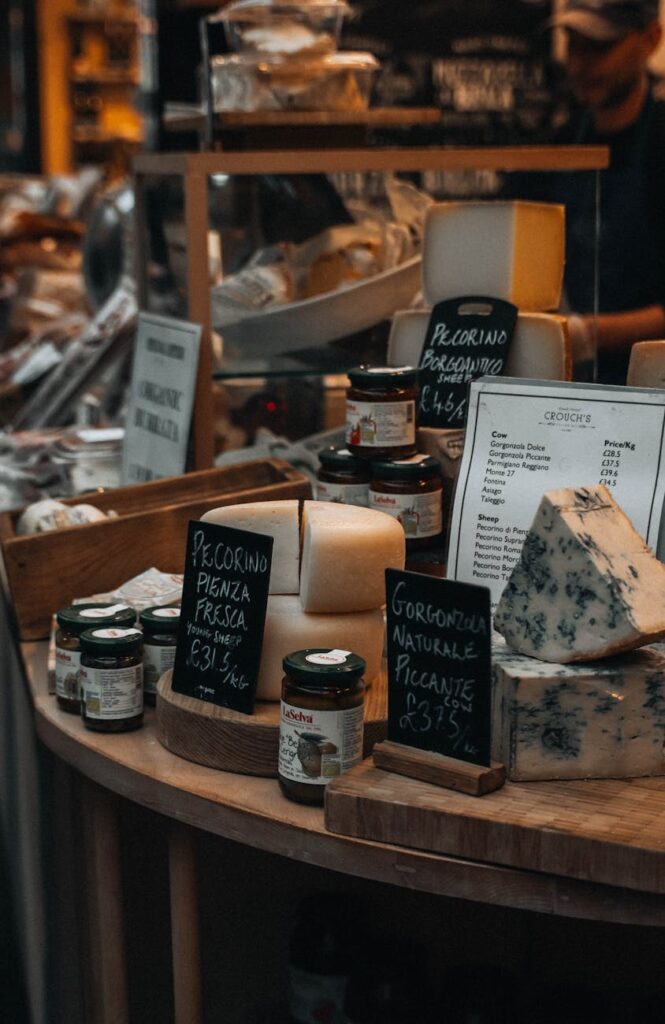
How Pecorino Cheese Is Farmed Commercially
Introduction
Pecorino cheese, a revered staple of Italian cuisine, is distinguished by its robust flavor and unique texture. This artisanal cheese, made from sheep’s milk, has a rich history and a rigorous production process that contribute to its distinctive character. In this comprehensive exploration, we will delve into the farming practices associated with Pecorino cheese, examining its origins, production methods, quality grading, and much more.
What Is Growing?
In the context of Pecorino cheese, “growing” refers to the entire agricultural and production process encompassing the rearing of sheep, the management of pastures, and the transformation of milk into cheese. This process is crucial for ensuring that the cheese retains its traditional flavors and qualities. The term also indicates the importance of sustainable farming practices, biodiversity, and animal welfare, which are essential for producing high-quality Pecorino.
History and Origins
Pecorino cheese has deep historical roots, with its origins tracing back to ancient Rome. The name itself derives from the Italian word “pecora,” meaning sheep. Evidence suggests that sheep were domesticated in the region over 2000 years ago, making Pecorino one of the oldest cheeses produced in Italy.
Originally, Pecorino was a staple food for Roman soldiers, valued for its high nutritional content and ease of transport. The cheese was traditionally made by shepherds in the Italian countryside, who utilized the milk from their flocks to create this enduring product.
As time progressed, various regional varieties of Pecorino emerged, including Pecorino Romano, Pecorino Sardo, and Pecorino Toscano. Each variety is distinguished by its specific geographical origin, production techniques, and aging processes, contributing to the diverse flavors and textures found within the Pecorino family.
Production and Processing
Sheep Rearing
The commercial farming of Pecorino cheese begins with the careful selection of sheep breeds, primarily the Sardinian, Comisana, and Sopravissana breeds. These sheep are favored for their ability to produce rich, creamy milk with high fat and protein content, ideal for cheese making.
Farmers focus on maintaining healthy flocks through proper nutrition, veterinary care, and living conditions. A balanced diet typically consists of pasture grazing, supplemented by hay and grains, which ensures the sheep produce quality milk. Sustainable farming practices, such as rotational grazing, are often employed to preserve pasture health and biodiversity.
Milk Collection
Once the sheep are milked, the milk is collected and transported to the cheese-making facility, where it must be processed within hours to maintain its freshness and quality. This rapid processing is crucial in retaining the cheese’s unique flavor profile.
Cheese Making
The cheese-making process for Pecorino involves several key steps:
1. Curdling: The collected sheep’s milk is heated and combined with rennet, a natural enzyme that aids in curd formation. This process results in the separation of curds and whey.
2. Cutting the Curds: Once the curds have formed, they are cut into small pieces to facilitate whey expulsion.
3. Cooking and Stirring: The curds are gently heated and stirred, allowing them to firm up and expel more whey.
4. Molding: The curds are placed into molds to shape the cheese, pressing them to remove excess whey.
5. Salting: After being unmolded, the cheese is salted, either dry-salted or brined, enhancing flavor and acting as a preservative.
6. Aging: Pecorino cheese is aged for varying lengths of time, from a few months to over a year. The aging process takes place in controlled environments, allowing flavors to develop and intensify.
Types of Pecorino
The aging process contributes to the diversity of Pecorino cheeses. For instance, Pecorino Romano is typically aged for at least five months, resulting in a hard, grating cheese with a sharp flavor. In contrast, Pecorino Toscano can be enjoyed at a younger age, offering a milder taste and a softer texture.
Quality and Grading
Quality control is paramount in the production of Pecorino cheese. Several factors contribute to its grading, including:
- Milk Quality: The health and diet of the sheep directly influence the quality of the milk, which in turn affects the cheese.
- Production Techniques: Adherence to traditional methods, including the use of raw milk and artisanal techniques, enhances the cheese’s authenticity and quality.
- Aging Conditions: The environment in which the cheese is aged, including temperature and humidity levels, plays a significant role in developing flavor and texture.
- Look for PDO Labels: Cheeses with PDO status are often of higher quality and authenticity.
- Aging: Determine whether you prefer a younger, milder cheese or a more mature, robust option.
- Texture and Color: Pecorino can range from soft to hard, and its color may vary from white to pale yellow, depending on the aging process.
- Flavor Profile: Be aware that Pecorino can have a range of flavors, from nutty and sweet in younger varieties to sharp and tangy in aged versions.
- Source: Consider buying from local cheese shops or artisanal producers, as they may provide fresher products with unique characteristics.
- Grating and Topping: Aged Pecorino is often grated over pasta dishes, salads, and soups, adding depth and a savory kick.
- Cheese Boards: Pecorino can be an excellent addition to cheese boards, pairing well with fruits, nuts, and honey.
- Cooking: Young Pecorino is suitable for melting in recipes like risottos, pizzas, and savory pastries.
- Snacking: Slices of Pecorino can be enjoyed on their own or with accompaniments such as cured meats and olives.
- Refrigeration: Store Pecorino cheese in the refrigerator, wrapped in wax paper or cheese paper to allow it to breathe while preventing it from drying out.
- Vacuum-Sealing: For longer storage, consider vacuum-sealing the cheese, which can extend its shelf life significantly.
- Shelf Life: An unopened wedge of Pecorino can last several months, while opened cheese should be consumed within a few weeks for optimal flavor and texture. Signs of spoilage include an off smell, mold, or an excessively dry appearance.
In Italy, Pecorino cheeses that meet stringent quality standards may receive Protected Designation of Origin (PDO) status, ensuring they are produced in specific regions using traditional methods. This designation helps consumers identify high-quality products and supports local economies.
Buying Considerations
When purchasing Pecorino cheese, consider the following:
Uses and Applications
Pecorino cheese is incredibly versatile in culinary applications. Its rich flavor profile allows it to shine in various dishes:
Storage and Shelf Life
Proper storage is essential for maintaining the quality of Pecorino cheese:
Common Misconceptions
Despite its popularity, there are several misconceptions about Pecorino cheese:
1. All Pecorino is the Same: There are distinct varieties of Pecorino, each with unique flavors and characteristics based on their region of origin and production methods.
2. Pecorino is Only for Grating: While aged Pecorino is often grated, younger varieties can be enjoyed fresh or melted in various dishes.
3. Pecorino is a Type of Parmesan: Although both are hard cheeses, Pecorino is made from sheep’s milk, while Parmesan is made from cow’s milk, leading to different flavors and textures.
4. It’s Always Salty: While some Pecorino cheeses can be salty, the flavor can vary significantly depending on the aging process and production methods.
5. Pecorino is Unhealthy: Like all cheeses, Pecorino can be part of a balanced diet. The key is moderation and balance with other food groups.
Frequently Asked Questions
1. What is the difference between Pecorino Romano and Pecorino Toscano?
Pecorino Romano is a harder cheese with a sharper flavor, aged for at least five months, while Pecorino Toscano is softer and milder, often enjoyed at a younger age.
2. Can Pecorino cheese be made from cow’s milk?
No, traditional Pecorino cheese is exclusively made from sheep’s milk, which contributes to its unique flavor profile.
3. How can I tell if Pecorino cheese has gone bad?
Signs of spoilage include an off smell, mold growth, and excessive dryness. If in doubt, it’s best to discard it.
4. What are some good pairings with Pecorino cheese?
Pecorino pairs well with fruits like figs and pears, nuts, honey, and cured meats, enhancing its flavor profile.
5. Is Pecorino cheese gluten-free?
Yes, Pecorino cheese is naturally gluten-free, making it suitable for those with gluten sensitivities.
6. How should I store Pecorino cheese for the best flavor?
Store Pecorino cheese in the refrigerator, wrapped in cheese paper or wax paper to allow it to breathe while preventing it from drying out.
Conclusion
The journey from pasture to plate for Pecorino cheese is a testament to the rich agricultural traditions of Italy. Understanding the farming, production, and quality grading processes enhances appreciation for this exquisite cheese. Whether grated over a hearty pasta dish or enjoyed on its own, Pecorino cheese continues to be a beloved ingredient that embodies the essence of Italian culinary heritage.