
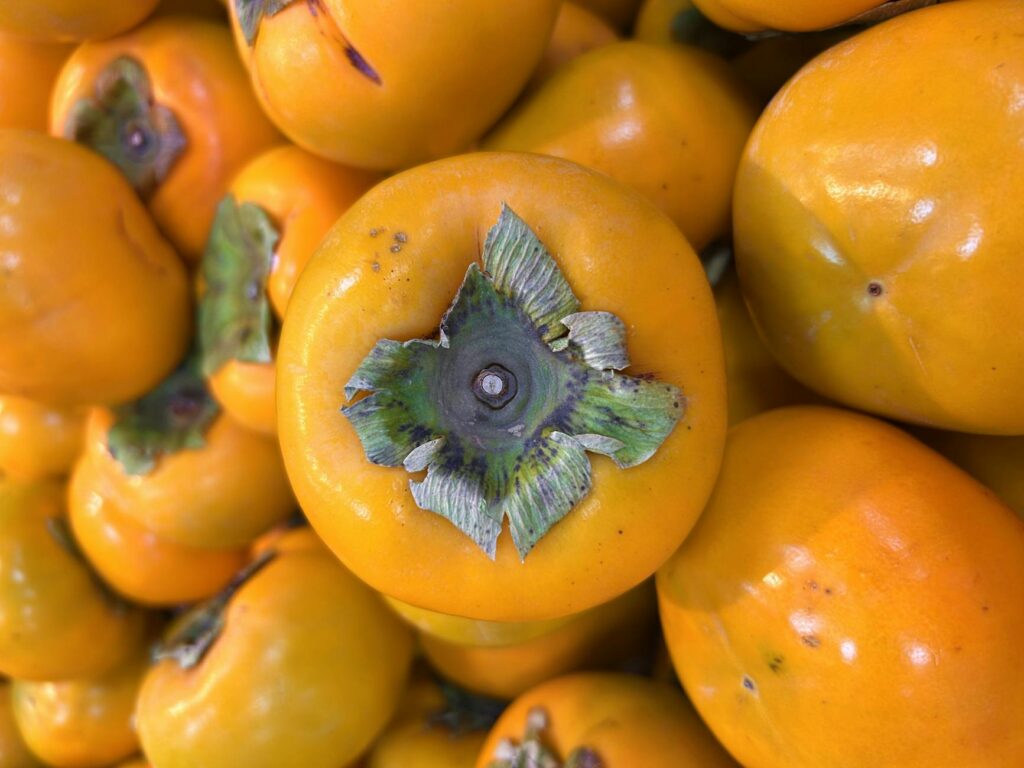
How Persimmons Is Farmed Commercially
Introduction
Persimmons, known for their rich flavor and vibrant orange color, are a beloved fruit around the globe. These sweet, nutrient-rich fruits belong to the genus Diospyros and are cultivated in various climates, primarily in Asia, but increasingly in other regions as well. This article delves into the commercial farming of persimmons, exploring their growing conditions, history, production processes, quality grading, and much more.
What Is Growing?
In the context of agriculture, ‘growing’ refers to the cultivation of plants for food, fiber, or other products. For persimmons, this involves several stages: selecting the right variety, preparing the land, planting, nurturing, harvesting, and finally processing the fruit for market. Each stage is crucial to ensure a successful yield and high-quality product.
History and Origins
Persimmons have a rich history that dates back thousands of years. Native to East Asia, particularly China, persimmons have been cultivated for over 2,000 years. The fruit made its way to Japan and Korea, where it became deeply ingrained in the culture and cuisine.
The two primary species of persimmons cultivated today are Diospyros kaki, commonly known as the Japanese persimmon, and Diospyros virginiana, or the American persimmon. The former is more widely grown for commercial purposes due to its larger size and sweeter flavor.
In the 19th century, persimmons were introduced to the United States, where they found a niche, particularly in California, which has become one of the leading producers of this fruit. The adaptability of persimmons to different climates has allowed their cultivation to spread globally, with commercial farms now present in countries like South Korea, Brazil, and even parts of Europe.
Production and Processing
Cultivation Practices
Persimmons thrive in well-drained soil with a pH level between 6.0 and 7.5. They prefer full sun and can tolerate a range of temperatures, though optimal growth occurs in regions with warm summers and cool winters.
1. Variety Selection: Farmers typically choose between astringent varieties, which require full ripening to be palatable, and non-astringent varieties that can be eaten while still firm. The most popular non-astringent variety is ‘Fuyu’, while ‘Hachiya’ is a well-known astringent type.
2. Planting: Persimmons are usually planted in spring or fall, with a spacing of about 15 to 20 feet between trees to allow for proper growth.
3. Irrigation: While persimmons are drought-resistant, adequate irrigation during dry spells is essential for fruit development. Drip irrigation systems are commonly employed to conserve water and ensure efficient nutrient uptake.
4. Fertilization: Fertilizers rich in nitrogen, phosphorus, and potassium are applied based on soil tests. Organic options, such as compost and manure, are also popular among sustainable growers.
5. Pest and Disease Management: Common pests include fruit flies and aphids, while diseases such as root rot can threaten the trees. Integrated pest management (IPM) techniques, including the use of beneficial insects and organic pesticides, are commonly adopted to minimize chemical use.
Harvesting
Harvesting typically occurs in late fall to early winter, depending on the variety and region. For astringent varieties, the fruit must be fully ripe, while non-astringent types can be harvested when still firm. Care is taken during harvesting to avoid bruising the fruit, as persimmons are delicate.
Processing
Once harvested, persimmons may undergo various processing methods before reaching consumers. These processes include:
- Sorting: Fruits are sorted based on size and quality.
- Washing: They are washed to remove dirt and residues.
- Packaging: Persimmons are carefully packaged to prevent damage during transport. They are often shipped in ventilated boxes to allow for air circulation.
- Ripening: In some cases, persimmons are artificially ripened using ethylene gas to enhance flavor and sweetness.
- Size: Larger fruits typically command a higher price.
- Color: A rich orange hue indicates ripeness and flavor.
- Texture: Firmness is essential for non-astringent types, while a soft texture is preferred for astringent varieties when fully ripe.
- Defects: Any blemishes, bruises, or signs of decay can significantly reduce a fruit’s marketability.
- Fresh Consumption: Eaten raw, persimmons make for a delicious snack or addition
Quality and Grading
Quality is paramount in the commercial persimmon market. Fruits are graded based on several criteria:
Grading standards can vary by market, but most countries adhere to specific guidelines to ensure consistency and quality for consumers.
Buying Considerations
When purchasing persimmons, whether for personal use or commercial distribution, several factors should be considered:
1. Variety: Understand the differences between astringent and non-astringent varieties. Non-astringent types are more versatile for consumers who prefer to eat them while still firm.
2. Seasonality: Persimmons are typically in season from late fall to early winter, so purchasing during this time ensures optimal freshness.
3. Ripeness: For astringent varieties, select fruit that feels soft to the touch. For non-astringent types, choose those that are firm but not hard.
4. Source: If possible, buy from local farmers or reputable suppliers to ensure quality and support local agriculture.
5. Organic Options: Consider organic persimmons, which are grown without synthetic pesticides or fertilizers, if sustainability is a priority.
Uses and Applications
Commercially, persimmons are utilized in various ways: