
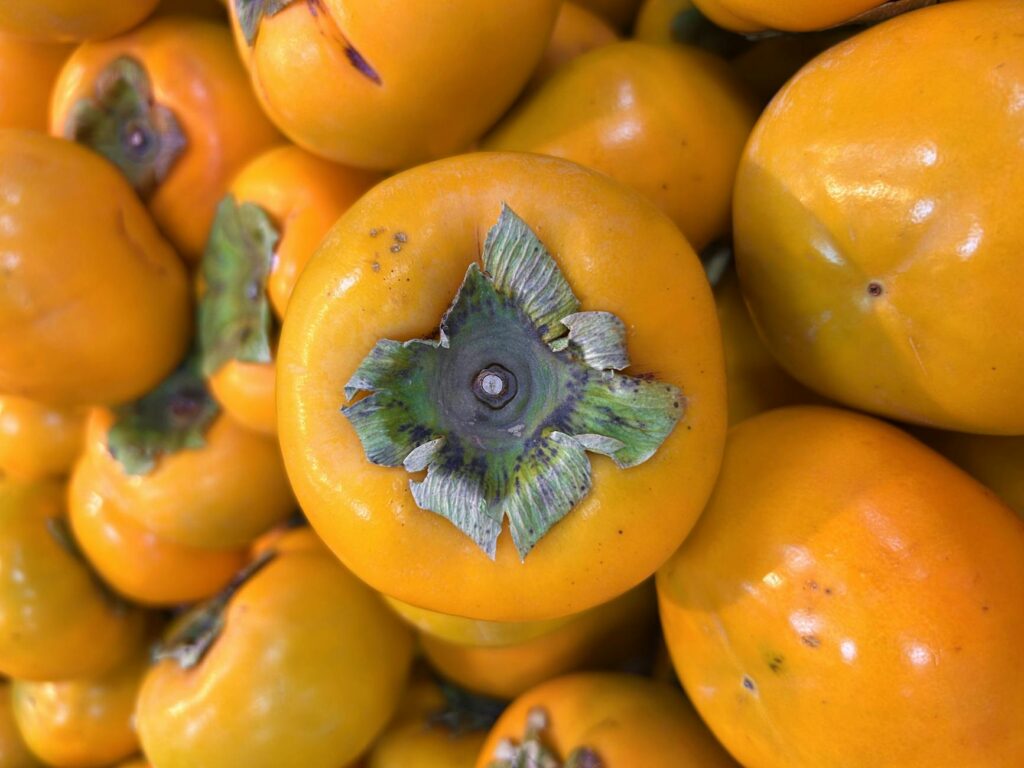
How Persimmons Is Produced
Introduction
Persimmons, often regarded as nature’s candy, are a unique and flavorful fruit that captures the attention of culinary enthusiasts and health-conscious consumers alike. Their sweet, honey-like flavor and vibrant orange hue make them a popular choice in various dishes, from salads to desserts. However, the journey from tree to table is a complex process that involves careful cultivation, harvesting, and post-harvest handling. This article delves into the intricacies of persimmon production, exploring its history, methods of cultivation, grading standards, and more.
What Is About?
Persimmons are the edible fruit of trees belonging to the genus Diospyros, predominantly found in regions with temperate to subtropical climates. The two main types of persimmons are astringent and non-astringent. Astringent persimmons, such as the Hachiya variety, contain high levels of tannins and must be fully ripe to be palatable. Non-astringent varieties, such as Fuyu, can be eaten while still firm. This diversity in flavor and texture makes persimmons versatile ingredients in both sweet and savory culinary applications.
History and Origins
The history of persimmons can be traced back thousands of years. Native to East Asia, the fruit has been cultivated in regions such as China, Japan, and Korea for over 2,000 years. The word “persimmon” is derived from the Powhatan language of the Native Americans and was later adopted into English. The fruit was introduced to the United States in the 19th century, where it has since gained popularity, particularly in California, which now leads the country in persimmon production.
Persimmons hold cultural significance in various societies. In Japan, they symbolize good fortune and are often featured in traditional celebrations. The fruit’s introduction to new regions has led to the development of unique varieties and cultivation techniques, further enriching its history.
Production and Processing
Cultivation
Persimmons thrive in well-drained, loamy soil and require full sunlight for optimal growth. The trees are typically planted in late winter or early spring. They prefer moderate temperatures, with ideal growth conditions found in USDA Hardiness Zones 7-10. The trees can reach heights of 20 to 30 feet, producing fruit in their third to fifth year.
Pollination
Persimmons are generally self-pollinating, but cross-pollination can enhance fruit quality and yield. Flowering usually occurs in late spring, and the tree produces small, white or yellow flowers that attract bees and other pollinators. The pollination process is crucial as it determines the fruit’s size, shape, and sweetness.
Harvesting
Harvesting persimmons is a delicate process that typically occurs in the late fall. The timing of the harvest is critical; for astringent varieties like Hachiya, fruit must be allowed to ripen on the tree to develop their full flavor. Non-astringent varieties can be harvested while still firm. Harvesters must carefully pick the fruit to avoid bruising or damaging it, as persimmons are particularly sensitive to handling.
Post-Harvest Processing
Once harvested, persimmons undergo several post-harvest treatments to enhance their quality and extend their shelf life. These treatments include:
- Sorting and Grading: Persimmons are sorted based on size, color, and overall quality. This grading process ensures that only the best fruits reach consumers.
- Packing: After grading, persimmons are packed in ventilated cartons to facilitate air circulation. Proper packing is essential to prevent bruising during transportation.
- Ripening Treatments: For astringent varieties, ripening can be accelerated using ethylene gas, enabling them to reach optimal sweetness for consumer enjoyment.
- U.S. No. 1: These are the highest quality fruits, free from defects and with good color and texture.
- U.S. No. 2: This grade includes fruits that may have minor blemishes but are still edible and flavorful.
- U.S. No. 3: This grade is reserved for fruits with significant defects, which may affect flavor or texture.
- Variety: Choose between astringent and non-astringent varieties based on your intended use. Astringent types, like Hachiya, are best for desserts, while non-astringent types, like Fuyu, are excellent for salads or eating raw.
- Ripeness: Astringent persimmons should be fully ripe, soft to the touch, and have a deep orange color. Non-astringent persimmons can be firm but should still have a vibrant hue.
- Appearance: Look for fruits that are free from blemishes, bruises, and discoloration. The skin should be smooth and shiny, indicating freshness.
- Source: Consider purchasing from local farmers’ markets or suppliers who practice sustainable farming methods.
- Raw Consumption: Non-astringent persimmons can be enjoyed raw, sliced into salads, or added to cheese platters.
- Baking and Desserts: Astringent varieties are commonly used in baked goods, such as cakes, breads, and puddings, where they add moisture and natural sweetness.
- Preserves and Jams: Persimmons can be transformed into preserves
Quality and Grading
Quality assessment of persimmons is based on several factors, including size, color, firmness, and overall appearance. The United States Department of Agriculture (USDA) has established grading standards for persimmons, categorizing them into three main grades:
Grading is crucial for retailers and consumers as it provides a standardized system for evaluating the quality of persimmons.
Buying Considerations
When purchasing persimmons, consider the following factors:
Uses and Applications
Persimmons are versatile fruits that can be utilized in a variety of culinary contexts: