
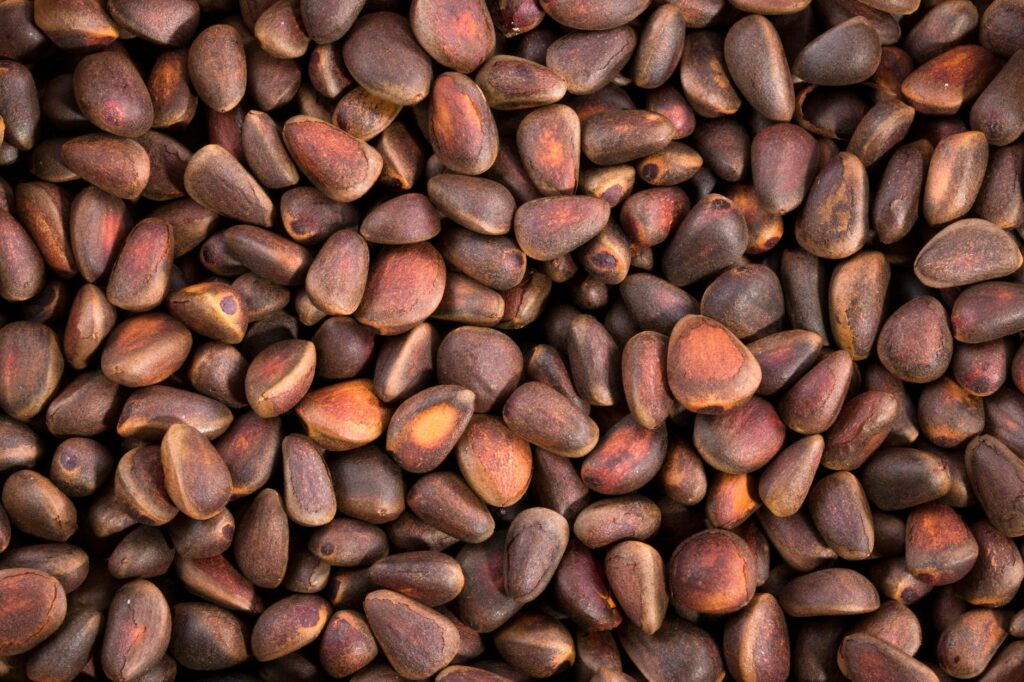
How Pine Nuts Are Produced
Introduction
Pine nuts, often referred to as pine seeds, have been cherished for centuries not only for their rich flavor but also for their nutritional value. These small, edible seeds are harvested from pine trees, primarily belonging to the genus Pinus. While they are popular in culinary applications worldwide, the journey from tree to table is intricate and involves various stages of cultivation, harvesting, and processing. This article aims to explore the comprehensive process of how pine nuts are produced, delving into their history, production methods, quality standards, and more.
What Is About?
Pine nuts are the edible seeds of certain pine trees, particularly those in the Pinaceae family. These seeds are typically found within the pine cones, and the specific species of pine tree determines the characteristics of the nuts, including flavor, size, and oil content. Popular species that yield commercially viable pine nuts include the Western White Pine (Pinus monticola), Sugar Pine (Pinus lambertiana), and the Italian Stone Pine (Pinus pinea).
Rich in essential fatty acids, protein, and various vitamins, pine nuts are a popular ingredient in Mediterranean cuisine and are often used in pestos, salads, and baked goods. The unique flavor profile—nutty and slightly sweet—makes them a desirable addition to a variety of dishes.
History and Origins
Pine nuts have a storied history that dates back thousands of years. Archeological evidence suggests that humans have been consuming these seeds since the Paleolithic era. The indigenous peoples of North America, such as the Native Americans, utilized pine nuts as a staple food source, recognizing their nutritional benefits and ease of storage.
In Europe, particularly in the Mediterranean regions, the Italian Stone Pine has been cultivated for centuries. The seeds were an important food source and were often used in traditional dishes. Pine nuts gained prominence in the culinary world during the Renaissance, when they became a staple in sauces, such as pesto, which remains popular today.
As global trade expanded, so did the interest in pine nuts, leading to their incorporation in various cuisines worldwide. Today, they are harvested from both wild and cultivated sources, with significant production occurring in countries like China, Russia, and the United States.
Production and Processing
Cultivation
The cultivation of pine nuts begins with selecting the right species of pine tree. Different species produce seeds of varying sizes, flavors, and yields. The Italian Stone Pine is particularly prized for its large seeds and is commonly cultivated in Mediterranean climates.
Pine trees require specific soil conditions, including well-drained, sandy loam, and a climate that allows for both warm summers and cold winters. Once planted, it takes several years—often 5 to 10 years—before the trees start producing cones.
Harvesting
Harvesting pine nuts is a labor-intensive process. Pine cones typically mature in late summer to early fall. The cones are harvested by hand or using mechanical means; the latter is more common in commercial operations.
Once harvested, the cones must be dried to facilitate the extraction of the seeds. This can be done by placing them in a warm, dry area or using specialized drying equipment. After drying, the cones are shaken or manually opened to release the seeds.
Shelling
The seeds of pine nuts are encased in a hard shell, which must be removed to access the edible part. Shelling can be done mechanically or by hand, depending on the scale of production. Mechanical shelling is more efficient for large quantities, while hand shelling is often reserved for smaller, artisanal operations.
Quality Control
Post-shelling, the seeds undergo quality control checks to ensure they meet industry standards. This includes sorting by size, checking for foreign materials, and assessing the overall quality.
Roasting and Packaging
In some cases, pine nuts are roasted to enhance their flavor. This process must be carefully monitored, as overheating can lead to a bitter taste. Once roasted (if applicable), the nuts are cooled and packaged in airtight containers to maintain freshness.
Quality and Grading
Quality and grading of pine nuts are essential for both producers and consumers. The grading is typically based on several factors:
1. Size: Larger seeds are generally more desirable and command higher prices.
2. Color: High-quality pine nuts have a light, creamy color, while discolored seeds may indicate spoilage.
3. Flavor: Freshness is crucial, and any off-flavors can significantly reduce the quality.
4. Moisture Content: Excess moisture can lead to spoilage, so nuts are often tested to ensure they meet acceptable moisture levels.
Regulatory bodies and trade organizations may have specific grading standards that producers must adhere to, ensuring uniformity and quality across the market.
Buying Considerations
When purchasing pine nuts, several factors should be considered to ensure you are getting the best quality product:
1. Origin: Knowing the source can provide insights into the quality and flavor profile. For example, Italian pine nuts are often considered superior due to their size and taste.
2. Packaging: Look for nuts that are packaged in airtight containers, as exposure to air can lead to rancidity.
3. Freshness: Check for harvest dates or expiration dates. Fresh pine nuts will have a pleasant aroma and a slightly oily texture.
4. Certifications: Organic or sustainable certifications can indicate higher quality standards and environmentally friendly practices.
Uses and Applications
Pine nuts are versatile ingredients used in various culinary applications. They can be consumed raw, roasted, or incorporated into a range of dishes. Some common uses include:
- Pesto: Pine nuts are a key ingredient in traditional pesto, providing a creamy texture and nutty flavor.
- Salads: They add crunch and richness to salads, balancing out other flavors.
- Baked Goods: Pine nuts can be incorporated into breads, cookies, and pastries for