
How Pistachios Are Farmed Commercially
Introduction
Pistachios, known for their rich flavor and distinctive green hue, are not only a popular snack but also a significant agricultural product globally. The cultivation of pistachios has evolved over centuries, resulting in a sophisticated farming process that combines traditional techniques with modern agricultural practices. This article delves into the various aspects of commercial pistachio farming, from growing conditions to production processing, quality grading, and more.
What Is Growing?
In the context of agriculture, “growing” refers to the cultivation and nurturing of plants until they reach maturity, enabling them to produce fruit or seeds. For pistachios, this process involves selecting suitable varieties, preparing the soil, planting, and managing various growth stages until harvest. Successful pistachio cultivation requires an understanding of its specific needs regarding climate, soil composition, and care during each phase of growth.
History and Origins
Pistachios (Pistacia vera) have a rich history that dates back thousands of years. Originally native to Central Asia and the Middle East, they were among the first cultivated nuts in the world. Archaeological evidence suggests that pistachios were consumed as far back as 7000 B.C. in ancient Persia, where they were valued not only for their taste but also for their nutritional benefits.
The cultivation of pistachios spread along trade routes, reaching places like the Mediterranean region and eventually the United States in the 19th century. California now stands as the largest producer of pistachios in the U.S., spearheading modern farming techniques that enhance yield and quality.
Production and Processing
Growing Conditions
Pistachios thrive in regions characterized by hot, dry summers and cool winters. Ideal temperatures range between 100°F (38°C) during the day and around 30°F (-1°C) at night. The trees require well-drained soil, typically sandy or loamy, with a pH range of 7.0 to 8.0.
Planting
Pistachio trees are usually planted in late winter or early spring. Before planting, thorough soil testing is conducted to ensure optimal conditions. Farmers often use grafting techniques to propagate superior varieties, ensuring both quality and disease resistance.
Irrigation
While pistachios are relatively drought-tolerant, they benefit from a well-managed irrigation system, especially during the first few years of growth. Drip irrigation is commonly employed as it efficiently delivers water directly to the roots, reducing waste and the risk of fungal diseases.
Pollination
Pistachios are dioecious, meaning that male and female flowers grow on separate trees. To ensure proper pollination, a ratio of approximately one male tree for every 8 to 10 female trees is recommended. Pollination typically occurs in spring, facilitated by wind.
Harvesting
Pistachios are harvested in late summer to early fall. Farmers monitor the nuts for proper ripeness, indicated by a slight crack in the shell. Mechanical harvesters are often employed to shake the trees, causing the ripe nuts to fall onto tarps laid beneath them. The nuts are then sorted, cleaned, and dried to reduce moisture content before storage.
Quality and Grading
The quality of pistachios is determined by several factors, including size, color, and the integrity of the shell. The U.S. Department of Agriculture (USDA) has established grading standards for pistachios, categorizing them into different grades based on these criteria.
Grades
1. U.S. Fancy: The highest quality, featuring large, well-formed nuts with minimal defects.
2. U.S. Extra No. 1: Slightly smaller than fancy but still of high quality, with minor blemishes.
3. U.S. No. 1: Good quality with more visible imperfections, often more affordable.
4. U.S. No. 2: Lower quality, usually reserved for processing or mixed products.
Farmers and processors must adhere to strict quality control measures to maintain these standards, ensuring that consumers receive a premium product.
Buying Considerations
When purchasing pistachios, consider the following factors to ensure quality and freshness:
- Source: Opt for pistachios from reputable suppliers who adhere to quality standards.
- Packaging: Look for vacuum-sealed or airtight packaging to maintain freshness.
- Shell Integrity: Inspect for intact shells; open shells may indicate age or poor storage conditions.
- Color and Size: Choose nuts that are consistently colored and uniform in size for better quality.
- Confectionery: Often found in chocolates and candies.
- Baking: Used in pastries, cookies, and cakes for added flavor and texture.
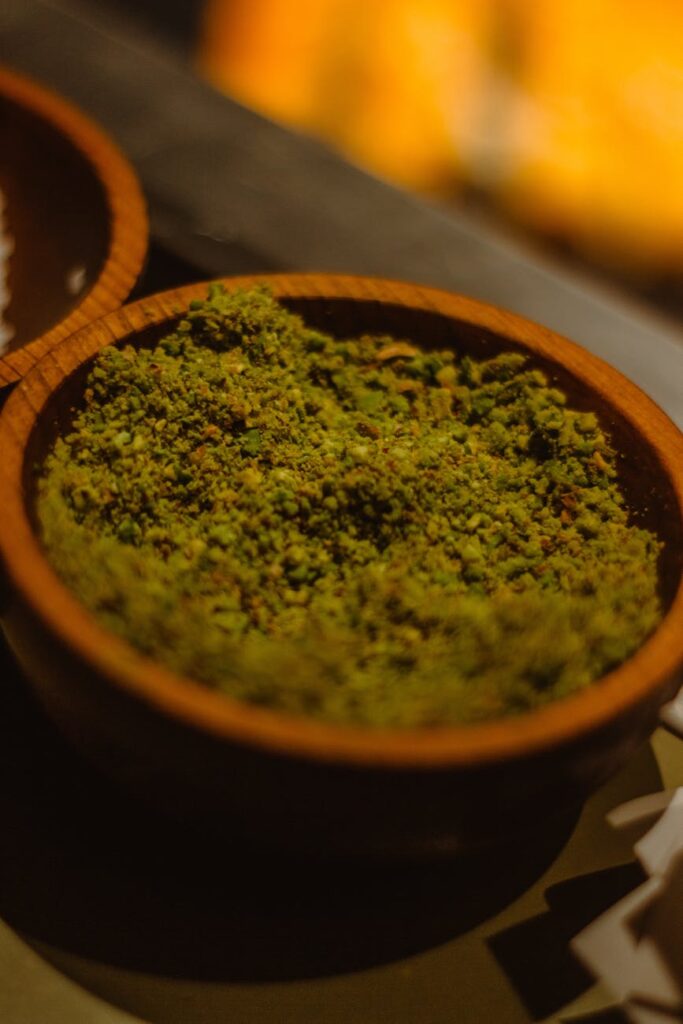
- Culinary Garnishes: Crushed pistachios can enhance the presentation of dishes, from savory to sweet.
Uses and Applications
Pistachios are versatile ingredients used in various culinary applications. They can be enjoyed as a snack, incorporated into salads, or used as a topping for desserts. In addition to their culinary uses, pistachios are also utilized in:
The oil extracted from pistachios is also gaining popularity in culinary circles for its rich flavor profile, making it a sought-after ingredient for dressings and marinades.
Storage and Shelf Life
Proper storage is crucial for extending the shelf life of pistachios. When stored in a cool, dry place, shelled pistachios can last for up to six months, while unshelled varieties can remain fresh for up to a year. For longer storage, refrigerating or freezing pistachios is recommended.
It is essential to keep them in airtight containers to prevent exposure to moisture and air, which can lead to rancidity and spoilage.
Common Misconceptions
Misconception 1: All Pistachios Are Green
While the vibrant green color of pistachios is often associated with freshness and quality, not all pistachios are uniformly green. The shade can vary based on factors such as variety, growing conditions, and harvesting time.
Misconception 2: Pistachios Are Fatty
Though pistachios contain fats, they are predominantly healthy monounsaturated and polyunsaturated fats. Consumed in moderation, they can be part of a balanced diet.
Misconception 3: All Pistachios Are Raw
Many pistachios sold commercially are roasted to enhance flavor and texture. It’s important to read labels to understand how the product has been processed.
Frequently Asked Questions
1. Are pistachios a good source of protein?
Yes, pistachios are a good source of plant-based protein, providing around 6 grams of protein per ounce.
2. How can I tell if pistachios have gone bad?
Signs of spoilage include an off odor, a rancid taste, or the presence of mold. If in doubt, it’s best to discard them.
3. Do pistachios need to be shelled before consumption?
No, pistachios can be enjoyed both shelled and unshelled. The choice depends on personal preference and the intended use.
4. Can pistachios be grown at home?
Yes, pistachios can be grown at home if the climate is suitable. However, they require specific conditions and patience as they take several years to produce nuts.
5. What is the typical yield for a pistachio tree?
A mature pistachio tree can yield between 20 to 30 pounds of nuts per year, depending on variety and growing conditions.
6. How do I prepare raw pistachios for cooking?
Raw pistachios can be used directly in recipes, but to enhance their flavor, they can be lightly toasted in an oven or on a skillet.
Conclusion
The commercial farming of pistachios is a complex and meticulous process that reflects centuries of agricultural refinement. Understanding the nuances of cultivation, from soil selection to harvesting and processing, provides insight into the quality of this beloved nut. With their diverse applications and rich history, pistachios continue to play a significant role in global cuisine, appealing to consumers worldwide.