
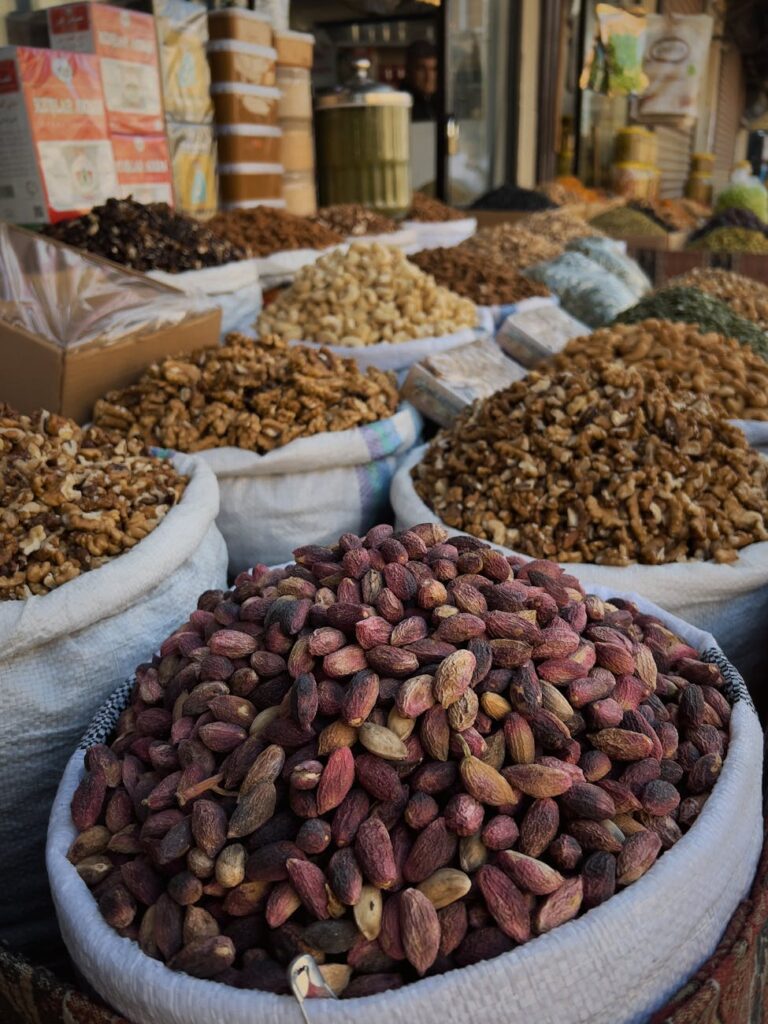
How Pistachios Are Produced
Introduction
Pistachios, known for their vibrant green kernels and distinctive flavor, are not only a beloved snack but also an integral ingredient in various culinary traditions across the globe. These small nuts are rich in nutrients and have a unique production journey that reflects both agricultural practices and cultural significance. Understanding the intricacies of pistachio production helps appreciate this versatile ingredient, from its cultivation to processing and eventual placement on store shelves.
What Is About?
Pistachios are seeds of the fruit of the Pistacia vera tree, a member of the cashew family. Native to Central Asia and the Middle East, these nuts are renowned for their distinctive flavor and health benefits, making them a popular choice for both snacking and culinary applications. The production of pistachios involves a complex interplay of agricultural techniques, environmental conditions, and careful post-harvest processing.
History and Origins
The history of pistachios dates back thousands of years. Archaeological evidence suggests that pistachios were consumed by humans as far back as 6750 B.C. in regions that are now part of Iran and Turkey. The tree itself is believed to have originated in the Middle East, particularly in the mountainous regions of Iran.
Pistachios were highly valued in ancient Rome and were considered a delicacy among the nobility. They were often referred to as the “food of the gods.” The cultivation of pistachios spread to other parts of the world through trade routes, eventually reaching the Mediterranean region and later, the Americas in the 19th century.
Today, Iran is the largest producer of pistachios, followed closely by the United States, particularly California, which has developed a significant pistachio industry since the 1970s.
Production and Processing
Cultivation
Pistachio trees thrive in arid and semi-arid climates, requiring long, hot summers and mild winters. They are typically grown in well-drained sandy or loamy soils that provide the necessary drainage to prevent root rot. The trees are usually planted at a distance of 20 to 25 feet apart to allow for optimal growth.
Pistachio trees are dioecious, meaning they have separate male and female trees. For successful fruit production, both male and female trees must be planted in proximity to facilitate pollination. Typically, one male tree is planted for every 8-10 female trees.
Harvesting
Pistachios can take up to five years to bear fruit, and full production is usually achieved at around 15 years of age. The harvesting process typically occurs in late summer to early fall when the fruits begin to split open, indicating ripeness.
Mechanical harvesting methods have transformed the industry, allowing for efficient collection of the nuts. Vibrating harvesters shake the trees, causing the ripe nuts to fall onto tarps laid out beneath. This is followed by a thorough collection process to ensure minimal loss.
Processing
Once harvested, pistachios undergo a series of processing steps to prepare them for market. The initial step involves cleaning the nuts to remove debris. This is often followed by blanching, where the nuts are briefly boiled and then cooled. Blanching helps to remove the outer shell and can enhance flavor.
After blanching, the pistachios are typically dried to reduce moisture content and prevent spoilage. This is critical for maintaining the quality and taste of the nuts.
The nuts are then sorted based on size and quality, often using sophisticated machinery to ensure consistency. This sorting process is crucial for meeting market demands and ensuring that only the best products reach consumers.
Quality and Grading
Pistachios are graded based on several parameters, including size, color, and shell integrity. The United States Department of Agriculture (USDA) has established grading standards that classify pistachios into different categories, such as “U.S. No. 1,” which denotes high quality, and “U.S. No. 2,” which indicates lower quality.
Key factors influencing quality include:
- Size: Larger nuts are generally more desirable.
- Color: A bright green kernel is often preferred, indicating freshness and quality.
- Shell Integrity: Nuts with intact shells are favored, as they are less likely to harbor pests or spoilage.
- Baking: Incorporating pistachios into baked goods, such as cookies and pastries, adds texture and flavor.
- Salads: Chopped pistachios can enhance the nutritional profile and flavor of salads.
- Savory Dishes: They are frequently used in Middle Eastern dishes, such as pilafs or as a garnish for meat dishes.
- Ice Cream and Desserts: Pistachio-flavored ice cream and desserts are popular in various cuisines.
- Pistachio Oil: Extracted oil is used in dressings and cooking, prized for
Grading not only assists consumers in making informed choices but also affects pricing and marketability.
Buying Considerations
When purchasing pistachios, consumers should consider several factors to ensure they are getting a high-quality product:
1. Source: Look for pistachios grown in reputable regions known for quality production, such as California or Iran.
2. Shell Color: Choose nuts with light-colored shells, as dark or discolored shells may indicate age or poor quality.
3. Kernel Color: Bright green kernels are a sign of freshness and superior quality.
4. Packaging: Opt for vacuum-sealed or airtight packaging to ensure freshness.
5. Organic Certification: For those concerned about pesticides or sustainability, consider organic pistachios.
Uses and Applications
Pistachios have a wide array of culinary applications. They can be enjoyed raw, roasted, or flavored with various seasonings. In addition to being a popular snack, pistachios are often used in: