
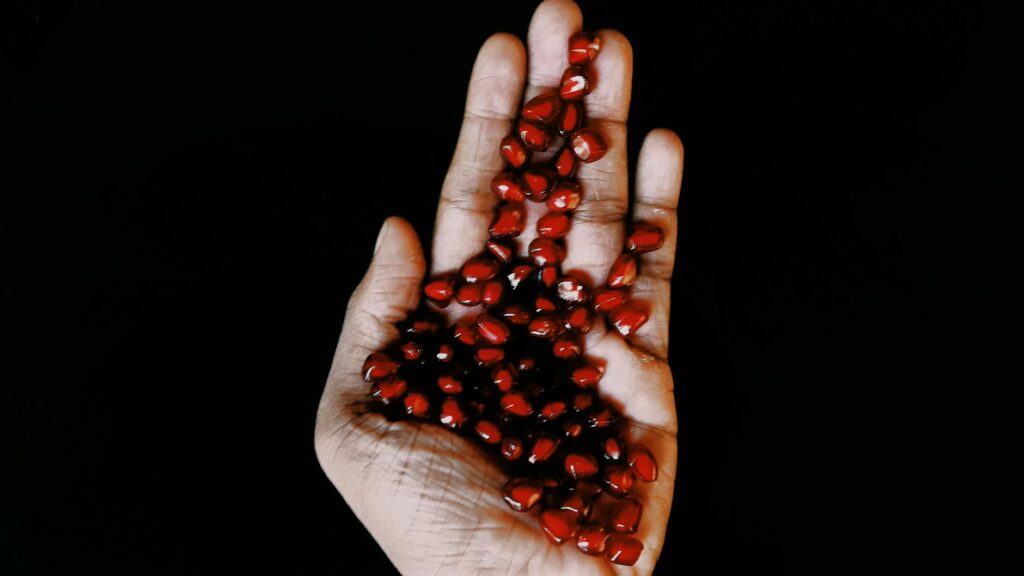
How Pomegranate Seeds Are Farmed Commercially
Introduction
Pomegranate seeds, the jewel-like arils of the pomegranate fruit (Punica granatum), have garnered attention not only for their vibrant color and unique flavor but also for their versatility in culinary applications and health benefits. The cultivation of pomegranates has evolved over millennia, and today, they are grown in many countries around the world. This article delves into the intricacies of how pomegranate seeds are farmed commercially, ensuring a steady supply to meet global demand.
What Is Growing?
Growing refers to the entire process involved in cultivating plants, from seed germination to the harvest of mature fruits. In the context of pomegranates, growing entails careful soil preparation, planting, nurturing, and harvesting. Each of these stages plays a critical role in determining the quality and yield of the pomegranate seeds.
Successful cultivation requires a thorough understanding of the plant’s requirements, including climate, soil conditions, irrigation methods, and pest management. Pomegranates thrive in arid and semi-arid regions, where they can receive ample sunlight and well-drained soil.
History and Origins
The pomegranate is one of the oldest cultivated fruits, with its origins tracing back to the region that spans modern-day Iran and the Middle East. Archaeological evidence suggests that humans have been cultivating pomegranates for over 4,000 years. The fruit has significant cultural importance, symbolizing prosperity and fertility in various civilizations, including those of ancient Egypt, Greece, and Persia.
As trade routes expanded, pomegranates spread across the Mediterranean and eventually to the Americas in the 16th century. Today, major producers include countries like India, Iran, the United States, and Turkey, each contributing to the global market for pomegranate seeds.
Production and Processing
Cultivation Practices
Pomegranates are typically grown in subtropical to temperate climates, where they require full sunlight and minimal frost. The cultivation process begins with selecting high-quality seeds or saplings. For commercial farming, grafting often enhances yield and disease resistance.
Farmers prepare the land by plowing and leveling it, ensuring good drainage. Pomegranates prefer sandy or loamy soils with a pH of 5.5 to 7.2. After planting, young trees require regular watering, especially during dry spells, but care must be taken to avoid waterlogging, which can lead to root rot.
Irrigation Techniques
Effective irrigation is crucial for pomegranate farming, particularly in arid regions. Drip irrigation is the preferred method, as it delivers water directly to the root zone, minimizing wastage and reducing the risk of fungal diseases. Farmers monitor moisture levels and adjust their irrigation schedules based on weather conditions and soil moisture readings.
Pest and Disease Management
Pomegranate trees are susceptible to various pests and diseases, including aphids, scale insects, and fungal infections. Integrated pest management (IPM) strategies are often employed, combining biological, cultural, and chemical controls. Regular monitoring and the use of resistant varieties can help mitigate these challenges.
Harvesting
Pomegranate fruits typically mature between five to seven months after flowering. The harvesting process involves carefully picking the fruits to avoid damage. Workers often use clippers to cut the fruit from the tree, ensuring that the arils remain intact.
Harvesting usually takes place from late summer to early fall, depending on the region and variety. Proper timing is crucial, as overripe fruits can crack, leading to loss of seeds and reduced quality.
Processing
Once harvested, pomegranates are transported to processing facilities, where they undergo sorting and cleaning. The fruits are typically washed to remove dirt and pesticides. Depending on the intended use, pomegranates may be juiced, or the seeds may be extracted for packaging.
The extraction process involves mechanically removing the arils from the fruit, often using specialized machines designed to minimize damage. The seeds are then packaged for distribution, either fresh or frozen.
Quality and Grading
The quality of pomegranate seeds is determined by several factors, including size, color, taste, and the absence of defects. Commercially, pomegranate seeds are graded based on these attributes:
- Grade A: Large, plump seeds with deep red color and excellent flavor.
- Grade B: Slightly smaller seeds with acceptable color and flavor.
- Grade C: Smaller seeds or those with superficial blemishes.
- Freshness: Look for seeds that are bright in color and firm to the touch.
- Packaging: Choose seeds that are vacuum-sealed or refrigerated to ensure freshness.
- Source: Opt for reputable brands or local suppliers known for quality.
- Fresh Seeds: When stored in the refrigerator, fresh pomegranate seeds can last up to a week. It is advisable to keep them in an airtight container to maintain their freshness
Quality control measures are critical at every stage of production, from the field to processing. Rigorous standards ensure that only the best seeds reach consumers.
Buying Considerations
When purchasing pomegranate seeds, consumers should consider several factors:
For culinary uses, fresh seeds are often preferred, but frozen seeds can also be a convenient alternative that retains much of the fruit’s flavor and nutritional value.
Uses and Applications
Pomegranate seeds are widely celebrated for their culinary versatility. They are used in a variety of dishes, including salads, desserts, and sauces. The seeds can also be incorporated into beverages, adding a burst of flavor and color.
Beyond culinary applications, pomegranate seeds are valued in the cosmetics and pharmaceutical industries, where they are used for their antioxidant properties. The seeds’ unique flavors and textures make them a popular choice for garnishing dishes, and they can also be used to create pomegranate molasses, a thick syrup used in Middle Eastern cuisine.
Storage and Shelf Life
The shelf life of pomegranate seeds depends on their form: