
How Pomegranate Seeds Are Produced
Introduction
Pomegranate seeds, the jewel-like arils of the pomegranate fruit, have captivated cultures across the globe for centuries. Not only are they celebrated for their unique flavor and aesthetic appeal, but they also boast a rich nutritional profile. As demand for this vibrant ingredient has surged in recent years, understanding how pomegranate seeds are produced is essential for consumers, chefs, and food industry professionals alike. This article delves into the fascinating journey of pomegranate seeds from orchard to table, exploring their history, production methods, quality assessments, and more.
What Is About?
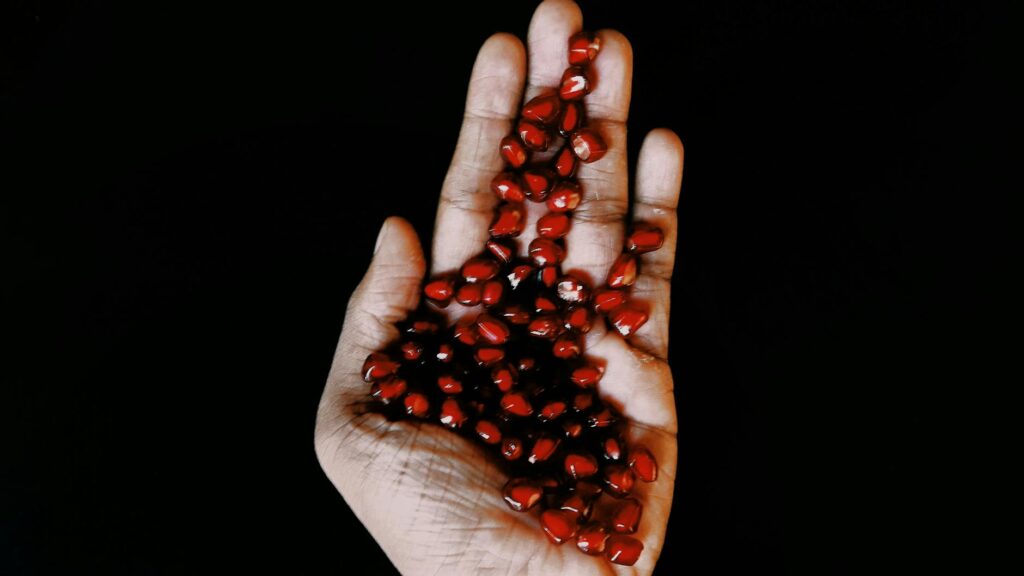
Pomegranate seeds are the edible, ruby-red arils that surround the seeds of the pomegranate fruit (Punica granatum). Each aril is a juicy capsule that contains a seed and is filled with a burst of sweet-tart juice. These seeds are not only a culinary delight but are also valued for their antioxidant properties and health benefits. The seeds can be consumed fresh, added to salads, or used in various culinary applications. Understanding their production process sheds light on the factors affecting their quality and availability in the market.
History and Origins
The pomegranate has a storied history that dates back thousands of years. Native to the region that stretches from modern-day Iran to northern India, it has been cultivated since ancient times. The fruit holds significant cultural and religious importance in many civilizations, symbolizing fertility, prosperity, and abundance.
The pomegranate spread throughout the Mediterranean, reaching Europe and Africa, and was eventually introduced to the Americas by Spanish explorers in the 16th century. Today, countries such as India, Iran, the United States, and Turkey are among the top producers of pomegranates, each contributing to the global appreciation for this exquisite fruit.
Production and Processing
Cultivation
Pomegranate trees thrive in temperate and subtropical climates, requiring well-drained soil and plenty of sunlight. They are relatively hardy and can withstand drought conditions, making them suitable for regions with varying climates. The cultivation process begins with selecting quality seeds or saplings, which are typically planted in the spring.
Growing Cycle
Once planted, pomegranate trees usually take three to four years to bear fruit. The trees produce beautiful, vibrant flowers that eventually develop into fruit. Harvesting typically occurs from late summer to early fall, depending on the variety and climate. Farmers must monitor the fruit closely, as pomegranates do not continue to ripen once picked.
Harvesting
Harvesting pomegranates is a labor-intensive process that requires skill and care. Farmers usually hand-pick the fruits to prevent damage. Each fruit is carefully inspected for size, color, and firmness, ensuring only the best specimens are harvested.
Processing
After harvesting, pomegranates must be processed efficiently to maintain quality. This process involves:
1. Washing: The fruits are thoroughly washed to remove dirt and pesticide residues.
2. Extraction: The seeds are extracted from the fruit using various methods. One common technique involves cutting the pomegranate in half and using a mechanical press to release the seeds.
3. Separation: The seeds are then separated from the rind and pith. This can be done manually or using specialized equipment designed to minimize damage to the delicate arils.
4. Packaging: Once extracted, the seeds are often packaged immediately to retain freshness. They can be sold as whole seeds, juiced, or dried for later use.
Quality and Grading
The quality of pomegranate seeds is crucial for both culinary applications and consumer satisfaction. Various factors influence seed quality, including:
1. Appearance: High-quality seeds are plump, bright red, and free from blemishes or discoloration.
2. Taste: Fresh pomegranate seeds should have a balanced sweet-tart flavor.
3. Texture: Quality seeds have a juicy, crisp texture that enhances their appeal.
Grading standards may vary by region and market, but they generally include criteria like size, color, and flavor profile. Producers often adhere to these quality standards to meet consumer expectations and ensure marketability.
Buying Considerations
When purchasing pomegranate seeds, several factors should be taken into account:
1. Freshness: Opt for seeds that are bright in color and firm to the touch. If buying whole pomegranates, look for fruits that feel heavy for their size, indicating juiciness.
2. Source: Consider purchasing from reputable suppliers who prioritize sustainable farming practices. Organic options may also be available, appealing to health-conscious consumers.
3. Packaging: If buying packaged seeds, check for airtight seals to ensure freshness.
4. Variety: Different pomegranate varieties may offer varying flavors and sweetness levels. Familiarizing yourself with these can enhance your culinary experience.
Uses and Applications
Pomegranate seeds are versatile and can be utilized in numerous culinary applications. They are often featured in salads, smoothies, desserts, and as garnishes. Their vibrant color and burst of flavor make them an attractive addition to both sweet and savory dishes.
Beyond culinary uses, pomegranate seeds also find their way into beverages, sauces, and even as natural colorants in food production. Their juice is commonly extracted for use in syrups and drinks, while the seeds can also be dried and ground into powder for flavoring.
Storage and Shelf Life
Proper storage of pomegranate seeds is essential for maintaining their freshness and flavor. Here are some guidelines:
1. Refrigeration: Fresh pomegranate seeds should be stored in an airtight container in the refrigerator. They can last up to a week when stored properly.
2. Freezing: For longer storage, pomegranate seeds can be frozen. Spread them out on a baking sheet to prevent clumping, then transfer them to a freezer-safe bag or container. Frozen seeds can last up to six months.