
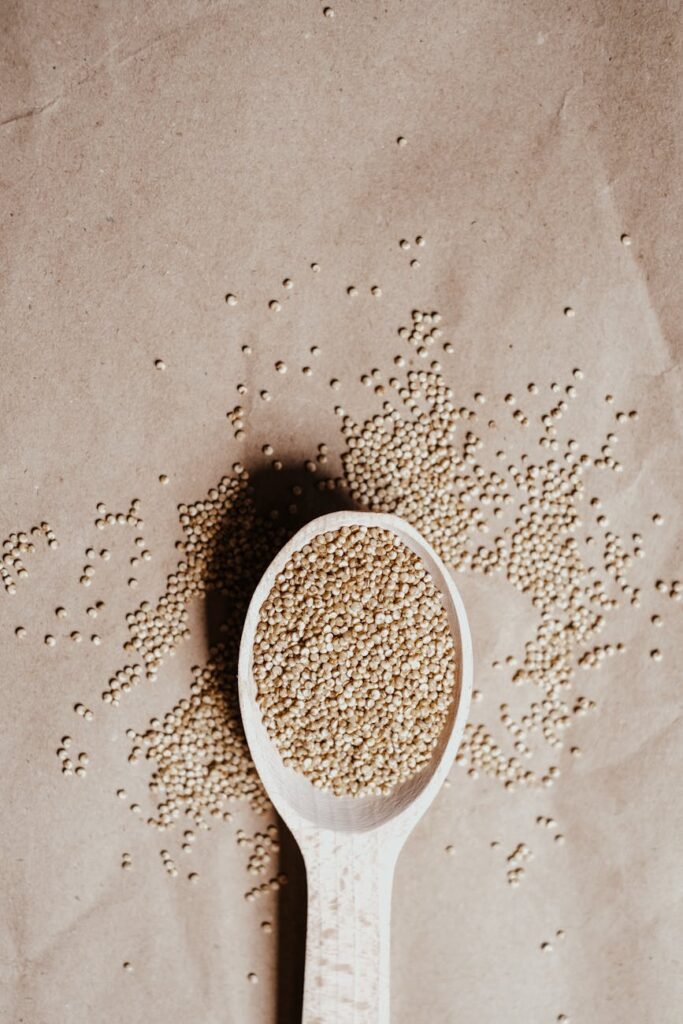
How Quinoa Is Farmed Commercially
Introduction
Quinoa, often hailed as a “superfood,” has gained immense popularity over the past few decades, not just for its nutritional benefits but also for its versatility in various culinary applications. However, the journey of this remarkable grain from seed to plate involves intricate farming practices and a deep understanding of its unique requirements. This article delves into the commercial farming of quinoa, exploring its origins, cultivation techniques, and the various factors that influence its production and quality.
What Is Growing?
Growing refers to the cultivation process of plants, encompassing the entire sequence of activities involved in nurturing them from seed to harvest. In the context of quinoa, this includes selecting appropriate varieties, preparing the soil, planting, nurturing the plants, harvesting, and processing the grains. Quinoa, scientifically known as Chenopodium quinoa, is a flowering plant belonging to the amaranth family, and it thrives in specific environmental conditions that contribute to its growth and yield.
History and Origins
Quinoa’s history is deeply rooted in the Andean region of South America, particularly in countries like Peru, Bolivia, and Ecuador. It has been cultivated for over 5,000 years, originally domesticated by the indigenous peoples who revered it as a sacred crop. The Incas referred to quinoa as the “mother grain,” recognizing its nutritional and agricultural significance.
After centuries of local cultivation, quinoa began to gain international recognition in the late 20th century, primarily due to its high protein content and gluten-free nature. Today, countries such as the United States, Canada, and several European nations have started to cultivate quinoa, adapting its farming techniques to local conditions and expanding its global reach.
Production and Processing
Cultivation Practices
1. Soil Preparation: Quinoa prefers well-drained, sandy or loamy soils with a pH level between 6.0 and 8.5. Farmers typically begin by plowing and harrowing the fields to aerate the soil and remove any weeds or debris.
2. Seed Selection: Commercial producers select high-quality seeds that are resistant to pests and diseases. Varieties such as ‘Royal Quinoa’ and ‘Red Quinoa’ are popular due to their unique flavors and textures.
3. Planting: Quinoa is usually sown in the spring when the soil temperature reaches around 60°F (15°C). The seeds are planted in rows, with spacing that allows for adequate airflow and sunlight. Depending on the variety, seeds are sown at a depth of 1-2 inches.
4. Watering: Quinoa is drought-tolerant but requires consistent moisture during germination and early growth stages. Farmers typically rely on rainfall or irrigation systems to maintain soil moisture.
5. Weed and Pest Management: Integrated pest management (IPM) strategies are often employed, combining biological, cultural, and chemical controls to manage pests. Farmers may also use cover crops to suppress weeds.
6. Harvesting: Quinoa is ready for harvest approximately 90-120 days after planting, depending on the variety and environmental conditions. Farmers typically harvest when the seeds are hard and the plants begin to yellow. Mechanical harvesters are commonly used for large-scale production.
Post-Harvest Processing
Once harvested, quinoa undergoes several processing steps:
1. Threshing: This process separates the seeds from the plant material. For commercial production, mechanical threshers are often employed to increase efficiency.
2. Washing: Quinoa seeds are coated with saponins, which can impart a bitter taste. Commercial processors wash the seeds to remove this coating, enhancing the flavor and palatability.
3. Drying: To prevent spoilage, quinoa must be dried to a moisture content of around 12%. This is typically done using mechanical dryers or sun-drying methods in arid regions.
4. Packaging: Once dried and cleaned, quinoa is packaged in airtight containers to preserve its quality and freshness during transport and storage.
Quality and Grading
The quality of quinoa is assessed based on several factors, including size, color, flavor, and the presence of defects. Grading systems may vary by country, but common standards include:
1. Grade A: High-quality seeds that are uniform in size and color, with minimal defects.
2. Grade B: Seeds that may have slight variations in size or minor defects but are still suitable for consumption.
3. Grade C: Lower quality seeds that may have significant defects or irregularities.
Quality is crucial not only for consumer satisfaction but also for marketability. Higher quality quinoa often commands a premium price in the market.
Buying Considerations
When purchasing quinoa, several factors should be taken into account:
1. Origin: Knowing where the quinoa was grown can provide insights into its flavor profile and quality. Quinoa from the Andean region is often considered superior due to its traditional farming methods and heritage.
2. Variety: Different varieties offer distinct flavors and textures. For instance, white quinoa tends to be milder, while red and black quinoa have nuttier flavors.
3. Certification: Look for organic certifications or fair trade labels, which ensure that the quinoa has been produced sustainably and ethically.
4. Packaging: Choose quinoa that is packaged in airtight containers to ensure freshness and prevent moisture absorption.
5. Saponin Removal: If not pre-washed, it’s essential to rinse quinoa before cooking to remove any residual saponins.
Uses and Applications
Quinoa’s versatility extends beyond being a nutritious grain. It is used in various culinary applications:
1. Culinary Uses: Quinoa can be used in salads, soups, and as a side dish. Its ability to absorb flavors makes it an excellent base for diverse dishes.
2. Flour: Quinoa flour is increasingly popular as a gluten-free alternative in baking, providing a unique flavor and nutritional boost.
3. Snacks: Quinoa is often used in the production of snack foods, including chips and protein bars.
4. Animal Feed: The byproducts of quinoa processing, such as stalks and leaves, can be utilized as fodder for livestock.
5. Health Products: Quinoa extracts and powders are found in various health supplements and protein powders due to their high nutritional value.
Storage and Shelf Life
Quinoa should be stored in a cool, dry place to maintain its quality. When stored properly in an airtight container, quinoa can last for several years without losing its nutritional value.
1. Uncooked Quinoa: When stored in a cool, dark place, uncooked quinoa has a shelf life of up to 2-3 years.
2. Cooked Quinoa: Once cooked, quinoa should be refrigerated and consumed within 3-5 days. It can also be frozen for longer storage, typically lasting for up to 1-2 months in the freezer.
Common Misconceptions
Despite its growing popularity, several misconceptions about quinoa persist:
1. Quinoa Is a Grain: While often categorized as a grain, quinoa is technically a seed. It is related to leafy greens like spinach and Swiss chard.
2. Quinoa Is Always Gluten-Free: Most quinoa is gluten-free, but cross-contamination can occur during processing. Consumers with gluten sensitivities should look for certified gluten-free labels.
3. Quinoa Is Easy to Grow Everywhere: Quinoa has specific climate and soil requirements, making it challenging to cultivate in many regions. It thrives best in high altitudes and arid conditions.
4. All Quinoa Tastes the Same: Different varieties of quinoa possess distinct flavors and textures, which can significantly impact culinary applications.
Frequently Asked Questions
1. What is the best climate for growing quinoa?
Quinoa thrives in high-altitude regions with cool temperatures and low humidity. It prefers well-drained soils and can tolerate drought conditions.
2. How long does it take for quinoa to grow?
From sowing to harvest, quinoa typically takes 90 to 120 days, depending on the variety and growing conditions.
3. What are the nutritional benefits of quinoa?
Quinoa is rich in protein, fiber, vitamins, and minerals, making it a highly nutritious food choice. It is also one of the few plant-based foods that is a complete protein, containing all nine essential amino acids.
4. How should I prepare quinoa for cooking?
Before cooking, rinse quinoa under cold water to remove any residual saponins. This helps eliminate bitterness. Cook quinoa in a 2:1 water-to-quinoa ratio, bringing it to a boil and then simmering until the water is absorbed.
5. Can quinoa be grown in home gardens?
Yes, quinoa can be grown in home gardens, provided the climate and soil conditions are suitable. It is advisable to start with a small plot to understand its growing requirements.
6. Is quinoa environmentally sustainable?
Quinoa is generally considered sustainable, especially when grown using traditional farming practices. However, large-scale commercial farming can sometimes lead to soil degradation and water depletion, raising concerns about its environmental impact.
In conclusion, the commercial farming of quinoa is a multifaceted process that requires an understanding of its unique growing conditions and the careful management of various cultivation practices. As quinoa continues to gain traction in global markets, the importance of sustainable farming methods and quality production remains paramount to meet the growing demand while preserving this ancient grain’s heritage.